

Swapping kerosene for an infrared space heater in a dorm isn’t about jumping on a trend. It’s about being able to breathe. Kerosene burns, and that burning brings soot, that stale fuel smell, and moisture that works its way into walls, clothes, and your lungs. In a tight space, you end up fighting a tug-of-war between staying warm and getting decent air.
What matters, technically
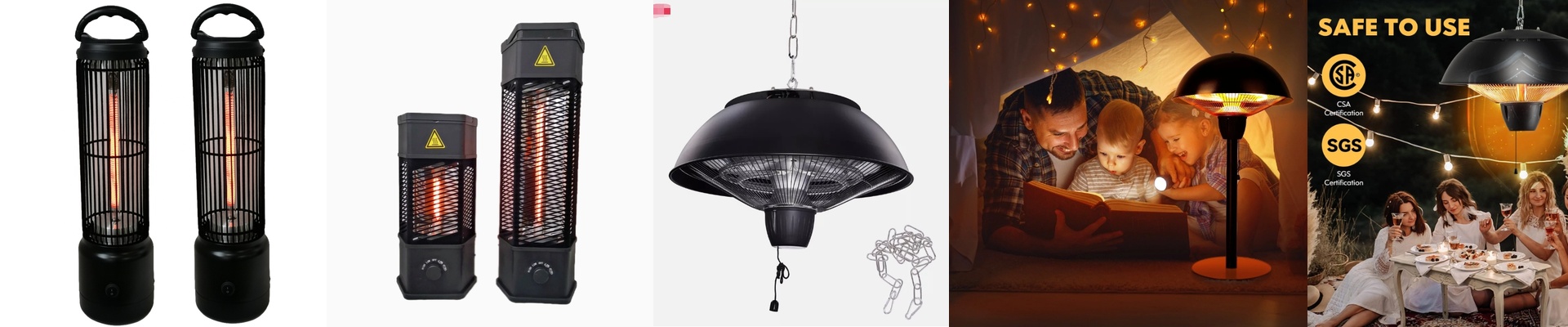
Infrared heat radiates energy straight to people and objects, not to the air itself. In a dorm, we lean on a compact electric heater built around a quartz or carbon fiber element that throws instant radiant warmth. No combustion, no fan forcing air around, so it runs quietly. These units are made for standard 120V outlets, pull a manageable amount of current, and use built-in thermostats to hold a steady comfort level.
Why it fits this space
In a small indoor room, infrared puts warmth where you need it, when you need it, without the drafts that stir up dust. You feel the heat within seconds, and surfaces stay more comfortable to the touch because you’re not trying to cook the air. There’s no fuel storage, no fumes, and no open flame. That means fewer irritants, fewer headaches, and a room that stays more comfortable through the night.
Things to keep straight
Infrared heaters warm objects and people directly, so the room can feel cooler near walls and windows. For the best result, place the heater where you sit, and keep it a safe distance from bedding or curtains. Always rely on the tip-over protection, and avoid extension cords. Infrared is clean, sure, but it doesn’t replace proper ventilation, especially in older buildings with limited air exchange.