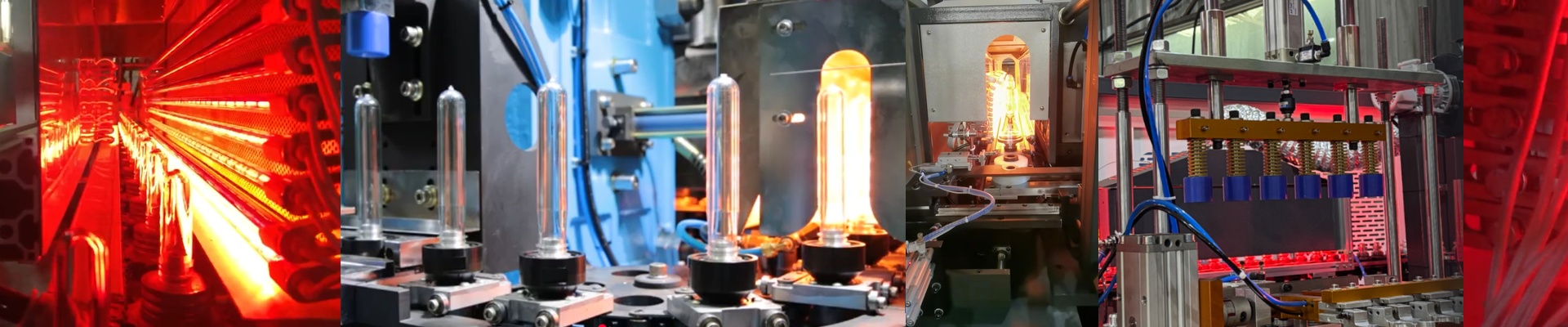

Stop Fighting Your SIPA Oven: The Truth About Thermal Instability
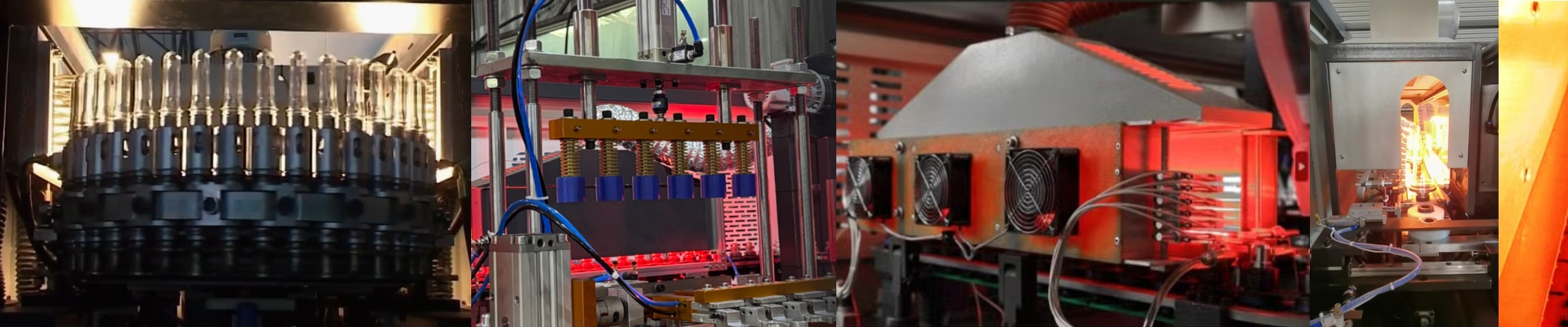
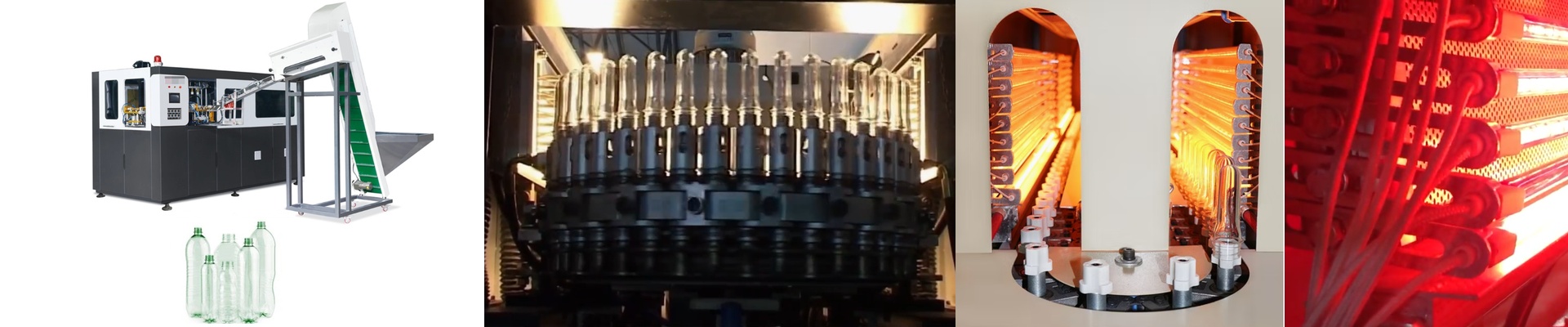
If you’ve been seeing pearlescence or weird, uneven walls in your PET bottles, you know the frustration. It’s a headache. You check the settings, you tweak the timing, but the bottles still come out looking off. For most people running SIPA rotary machines, the culprit isn’t the machine itself. It’s the lamps. Here is the thing: a lot of shops try to save a few bucks by swapping in infrared lamps that don’t quite match the original OEM power specs. Maybe the wattage is slightly off, or the voltage is a bit different. It seems like a small detail, but it creates “cold spots” in your oven. Why matching power actually matters Think of it like this. If your machine expects a specific wattage and you drop in a lamp that’s even 5% off, you’ve just messed with the heat flux. Now, your PLC is working overtime, constantly “hunting” for the right temperature because it can’t find a steady rhythm. That’s where those fluctuations on your preforms come from. We build our radiators to be a 1:1 match. We keep the voltage and wattage tight so the heat stays consistent across every single lamp in the bank. No hunting. No guessing. What’s under the hood We use shortwave infrared technology because it punches through the PET material fast. To make sure that energy actually hits the plastic—and doesn’t just waste heat by warming up the machine housing—we use quartz glass with a specific coating to push the heat forward. And don’t worry about the installation. We made the connectors a direct fit. You just pop them in. No rewiring your sockets or spending hours with a multimeter. One quick tip: these tubes run hot because they’re powerful. Just make sure your oven ventilation is clear. If the airflow is blocked, the housing overheats and your filaments will burn out way faster than they should. Keeping the floor running smooth It’s tempting to replace one burnt-out lamp with a generic version you have lying around. Don’t do it. It kills the thermal profile for the entire rotation. When your radiators are power-matched, the preform hits the blow mold at exactly the right temperature for a stable stretch. The result? A consistent blow and way fewer rejects hitting the bin. Just swap them out, wire them up, calibrate your zones, and get back to work.