Getting Cabinets Sterile Without Melting the Box
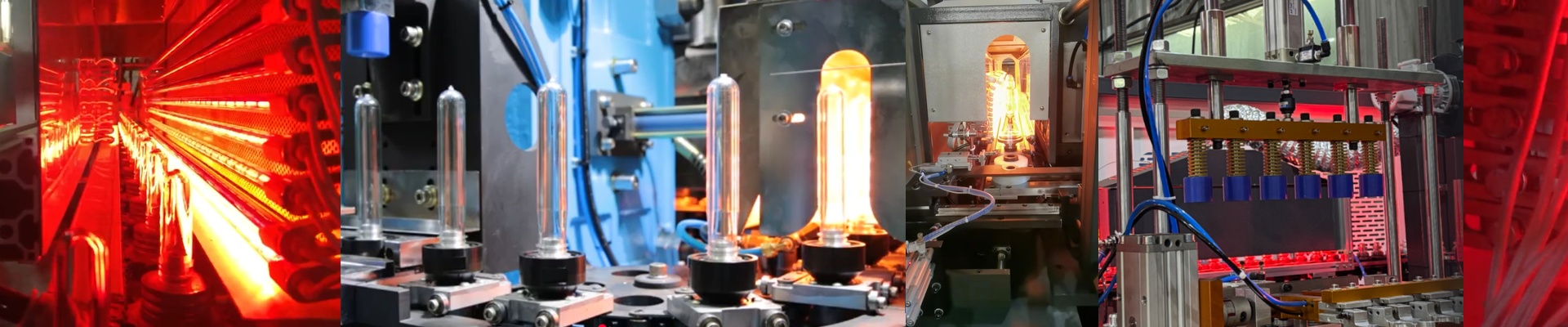
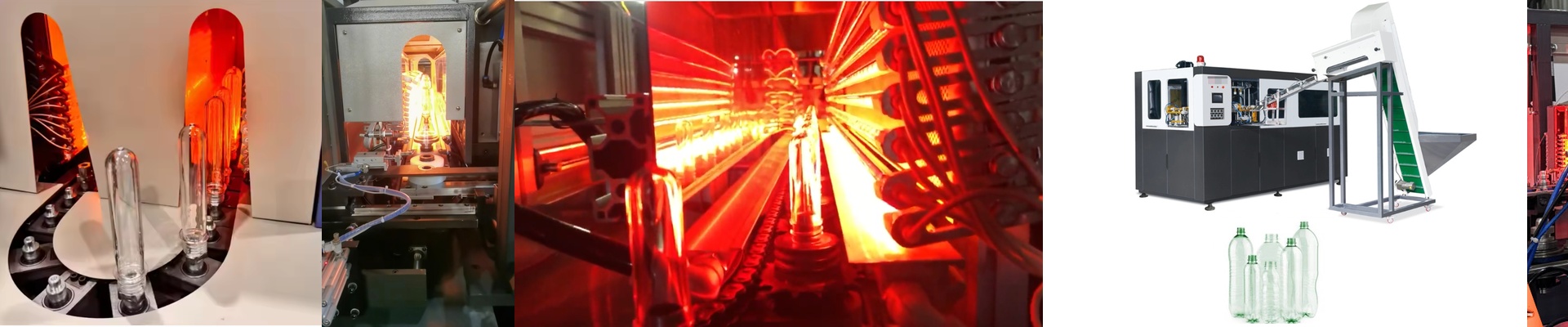
When you’re sterilizing a cabinet, you have a tricky problem: you need a massive spike in heat to kill off pathogens, but you can’t actually “bake” the cabinet itself. If you do, you’re going to warp the housing or melt something you shouldn’t. That’s why we use Nichrome-based Infrared (IR) heaters. Most people are used to traditional resistive coils. Those things are slow. You turn them on and wait minutes for them to get up to temp. IR is different. It uses electromagnetic radiation to throw heat directly onto the surface of the object. It’s basically instant.
Why “Second-Level Response” Matters
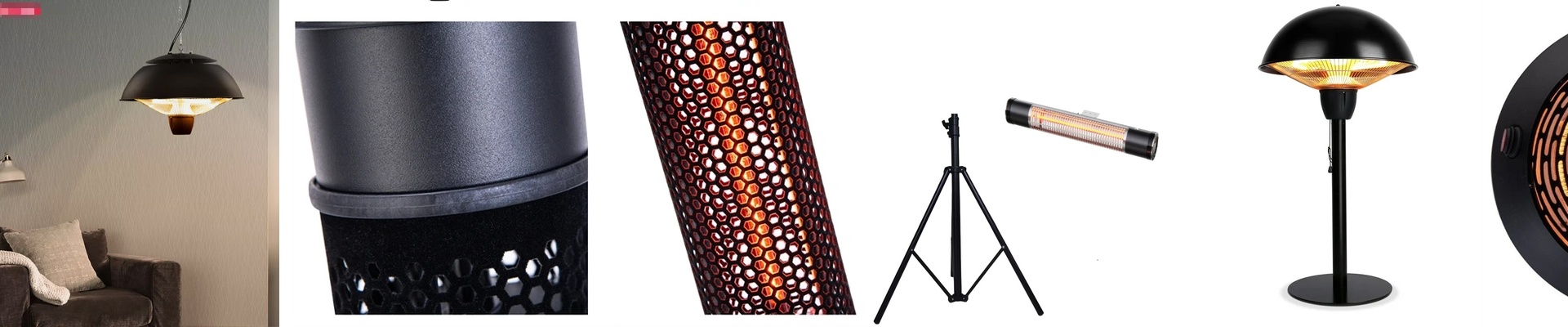
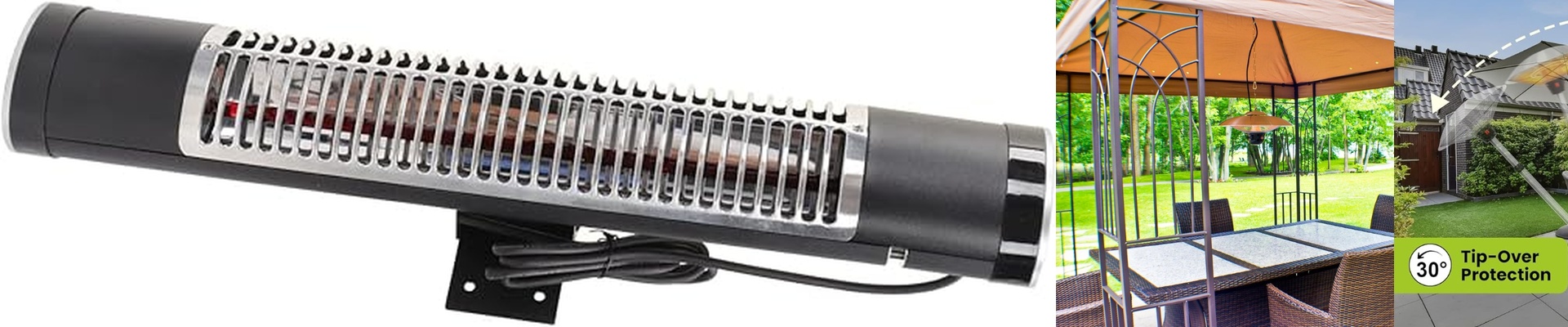
We build these heaters for what we call “second-level response.” Here is how it works: we wrap the Nichrome wire in a high-purity quartz envelope. Because that quartz doesn’t hold onto much heat, the element hits its peak temperature almost the second you flip the switch. You aren’t wasting time waiting for the air inside the box to warm up. You’re just hitting the bacteria with a blast of IR radiation. The secret is the wattage density. By cramming that power into a narrow tube, we create a high-intensity heat source that can cycle on and off rapidly. It’s a far cry from those heavy cast-iron or ceramic heaters that take forever to cool down.
The Nitty-Gritty of the Design
We stick with Nichrome because it grows a protective oxide layer. That keeps the element from burning out when things get really hot. We pair that with quartz glass because it lets the shortwave IR radiation pass right through without soaking up the energy. But a word of warning:these things get incredibly hot. If you cram them into a cabinet with no breathing room, you’re going to melt your plastic parts or warp the chassis. Just make sure your airflow is actually designed to handle the heat spike during the “on” cycle.
Putting it All Together
Getting these into your control system is pretty painless. They behave like a standard resistive load. I recommend using a high-speed SSR (Solid State Relay) to handle the pulses. It gives you way more control, so you can hit that exact sterilization temperature without overshooting and ruining your cabinet interior.