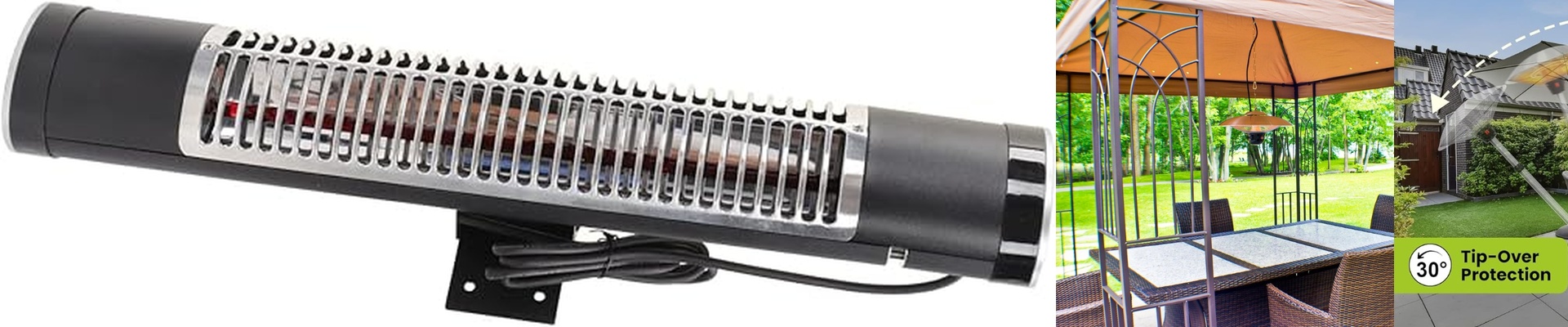
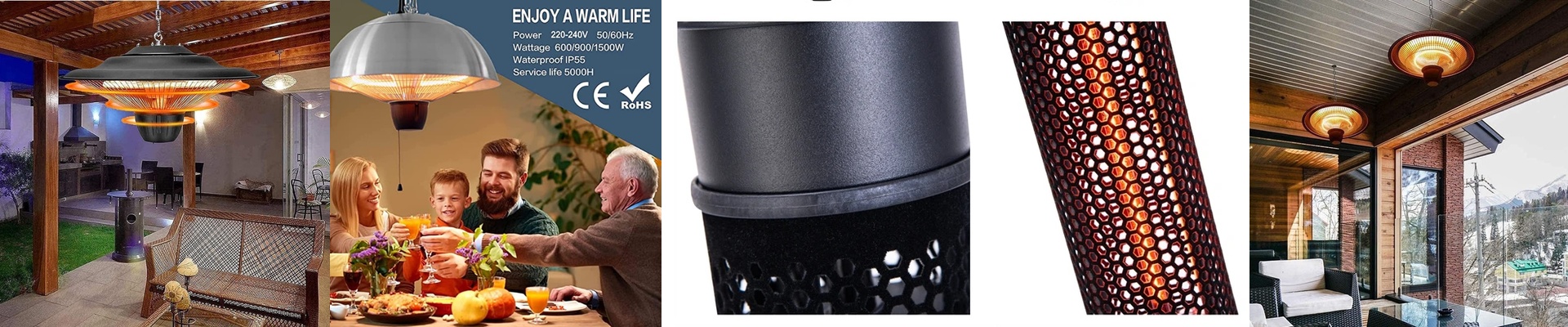
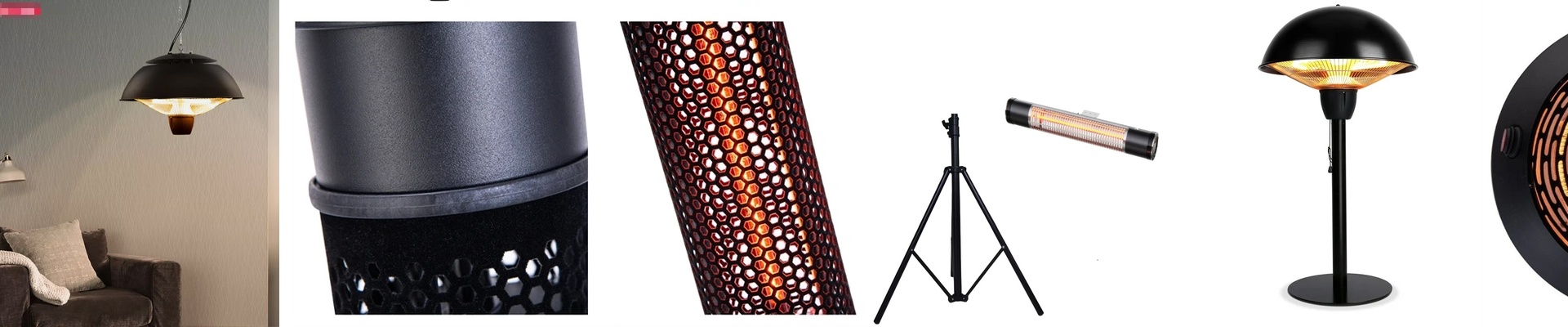
The outdoor heating market is crowded, and let’s be honest—not every heater earns its keep. When you’re placing bulk orders, one dud can set off a chain reaction: customer complaints, safety headaches, and money down the drain. The line between a heater that just works and one that keeps working often comes down to one thing:genuine CE certification.
What matters under the hood
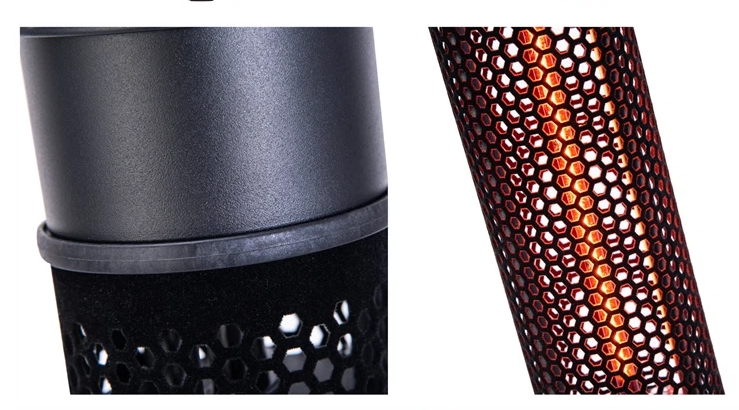
We build our infrared heaters around radiant warmth, so you’re heating people and objects directly, not the air around them. It’s efficient and immediate. Inside, you’ve got either a carbon fiber element or a quartz tube delivering steady output, and a built-in thermostat keeping temperature under control. The real differentiator is full CE compliance. That means the design has been put through the wringer—electrical safety, thermal limits, and tip-over protection all tested to a defined standard. You’re buying engineering, not just assembly by the lowest bidder.
Why this matters on the job
If you’re supplying commercial outdoor heating—patios, workshops, seasonal venues—reliability is the product. CE certification cuts the risk of failure in the field, which means fewer callbacks, fewer replacements, and lower costs over time. And infrared warmth holds its own in windy conditions where convection heaters struggle. Guests stay comfortable without drafts. For your customers, that’s steady comfort. For you, it’s a reputation that holds up when the season gets busy.
What to watch for
CE certification is a strong baseline, but it’s no substitute for proper installation. Confirm the site voltage and circuit capacity, and make sure the plug type and cord length match local requirements. For outdoor use, check the IP rating and plan for shelter from direct rain. Infrared heaters perform best when they have clear line-of-sight to the seating area—what matters is direct coverage, not mounting height. Get the layout right, and the heaters will do the rest.