

Technical Deep-Dive: Power, Voltage, and Form Factor
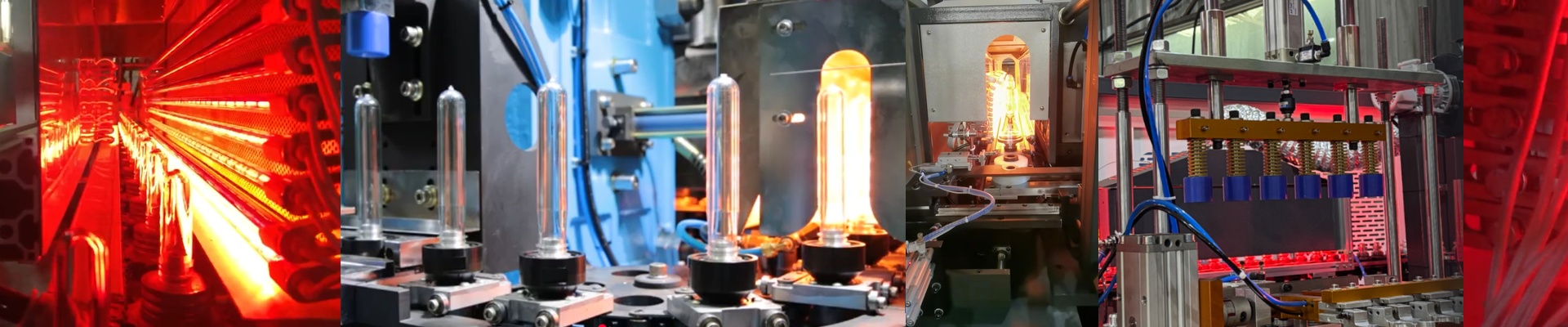
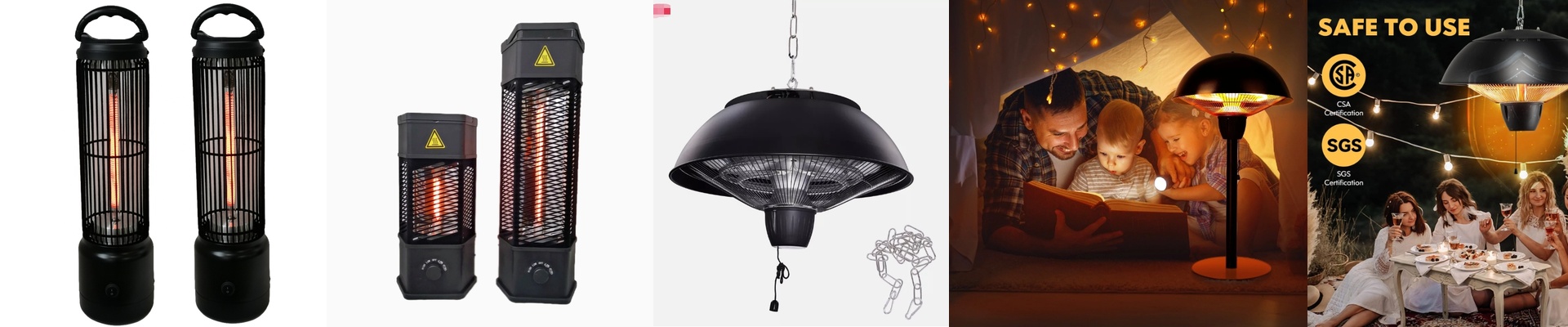
Let’s talk about what makes these halogen patio heaters actually work. They’re built as shortwave infrared systems, designed to give you heat right where you need it. We set them up to run on either 230V or 400V, so they plug straight into standard industrial power—no extra transformer needed. You can choose between 1500W, 2000W, or 2500W models, all packing a serious amount of heat into a small package. And the tube length? That’s either 300mm or 600mm. That choice directly shapes the beam spread and how much space you can actually warm up.
Material and Design: Quartz Tube and R7s Connector
The heart of it all is the quartz tube, holding a halogen-cycle filament. It runs hot on purpose—keeping that infrared output strong and preventing the element from burning out too soon. The R7s base is the go-to connector here. It’s a two-pin setup that locks in tight, giving you solid contact and making replacement a breeze. Quartz can handle the shock of turning on and off quickly, but it’s not invincible. It needs a protective guard to keep it safe from bumps and knocks.
Application and Engineering Trade-offs
Out on the patio, these heaters shine. They send warmth directly to people, not just heating the air around them. That means you’re not wasting energy in open or partly covered areas. But here’s the catch—that intense heat means you need proper clearance and enough airflow. If you’re running a 400V, 2500W unit, your wiring and control gear have to be built for that constant load and the temperature outside. This isn’t about heating an entire room. It’s about delivering focused warmth exactly where you stand.