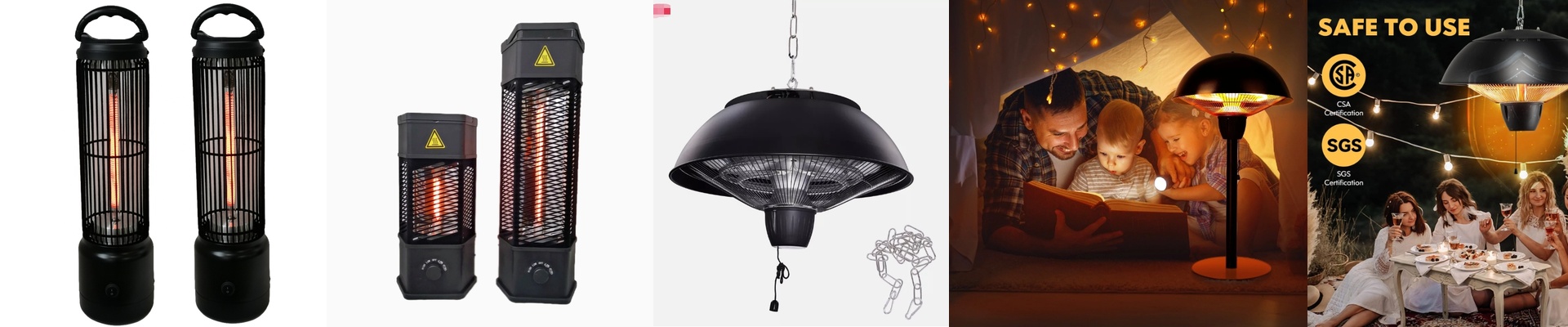


A glass-walled loft looks great—until the sun drops. Heat climbs and bleeds right through those big windows, and the place cools off fast. You end up chasing comfort, running the heater, getting noise and dust, and still losing ground.
What matters under the hood
We went with an infrared electric heater, built around a carbon fiber element. It throws heat quickly, evenly, and quietly. At 1,500W, it puts warmth where it counts—on people and surfaces—instead of heating air that just leaks away. A built-in thermostat keeps the temperature steady with fewer on/off cycles. Tip-over protection adds a practical safety margin. And the footprint is intentionally small, so it sits close to where you need it without taking over the room.
Why this approach fits a glass-heavy loft
With large glazing, the real problem is heat loss. Air warms up, then vanishes through the glass. Infrared warmth changes the equation. It travels outward and gets absorbed by floors, furniture, and your body, so you feel stable heat almost immediately. That means you’re not constantly fighting rising heat and drafts. You also get consistent comfort without the fan noise that turns a quiet evening into a workshop session.
What to keep in mind
For the best feel, place the unit so the radiant beam hits the main seating area. Don’t block the path with curtains or big pieces. Infrared does its best work up close, so if the loft runs long or has multiple seating zones, a second unit may be the clean fix. The heater runs quietly, but the reflector and housing will get warm during operation. Keep clearances open and stick to the spacing guidance in the manual.