

Gazebo Heaters: The Real Deal on 400V Halogen Infrared Lamps and R7s Wiring
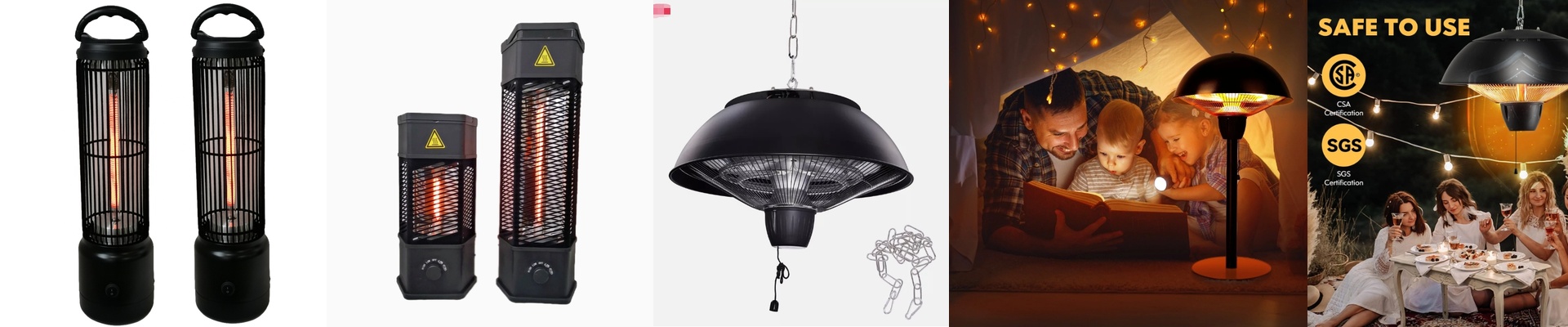
Let’s talk about making your gazebo actually feel warm—like, really warm—without turning it into a stuffy box. These gazebo heaters aren’t your average space heater. They’re built around infrared tech, using a halogen lamp to send heat straight where it matters: onto people and surfaces. No waiting around for the whole air to warm up. Just instant, comforting warmth.
The heart of it: the 400V halogen lamp
Here’s the thing—these heaters run on a 400V halogen infrared lamp. Most models use a 2500W, 300mm tube. Why 400V? Because it lets you run longer cables without drawing crazy current. That keeps your wiring and components manageable—no oversized breakers or heavy-duty hassle. And that 2500W power? It packs a serious punch in a small package. But yeah, it needs a solid electrical setup and a breaker that’s properly rated. No cutting corners here. The 300mm length hits a sweet spot too—enough coverage to warm a good-sized area, but still compact enough to fit comfortably.
What’s inside, and why it lasts
Inside that lamp, there’s a halogen cycle working inside a quartz envelope. It keeps the output steady and helps the lamp last way longer than you’d expect. Plus, the back of the tube has a reflective coating that funnels infrared energy forward. So more of the heat goes where you need it, not wasted into thin air. Then there’s the R7s connector—a double-ended, straight-fit design that slides right into standard ceramic sockets. It handles high heat like a champ, and swapping out a lamp is simple. Seriously, field replacements are a breeze.
How it feels in your gazebo
When you flip it on, the warmth hits fast. No long wait. Just that immediate, focused heat that wraps around you. And because it heats people and surfaces directly, you’re not wasting energy trying to warm the entire volume of air. That’s a big win—especially in a semi-open space. Now, the design is tough—it handles vibration and temperature swings without blinking. But you still need to give it proper airflow and clearance. If the enclosure traps heat, the lamp runs hotter. So make sure there’s ventilation. A little planning goes a long way toward keeping things running smoothly and safely.