The 500W Infrared Lamp for Deck Ovens: How We Cracked the Code for Fast, Perfect Browning
Let’s talk about a problem every baker knows: getting that beautiful, consistent crust on top, fast. Especially when you’re running a busy deck oven and the line’s backing up. Traditional heating just can’t keep up with the pace. It’s slow, and it feels like a constant battle to get the heat where you need it, exactly when you need it. So we set out to build a solution. A lamp that delivers heat that’s not just hot, but precise.
Why 500W? It’s Not Just a Number.
Here’s the thing about the 500W rating—it wasn’t pulled out of thin air. We sized it to pack a serious punch right onto the product’s surface, but without tripping your oven’s electrical system. It’s the sweet spot. Enough power to kick the Maillard reaction into high gear, giving you that rich, even color in seconds. And because it runs on standard industrial voltage, you can drop it right into your existing oven without a full electrical overhaul. It just works.
Inside the Lamp: Quartz, Halogen, and the R7s Base
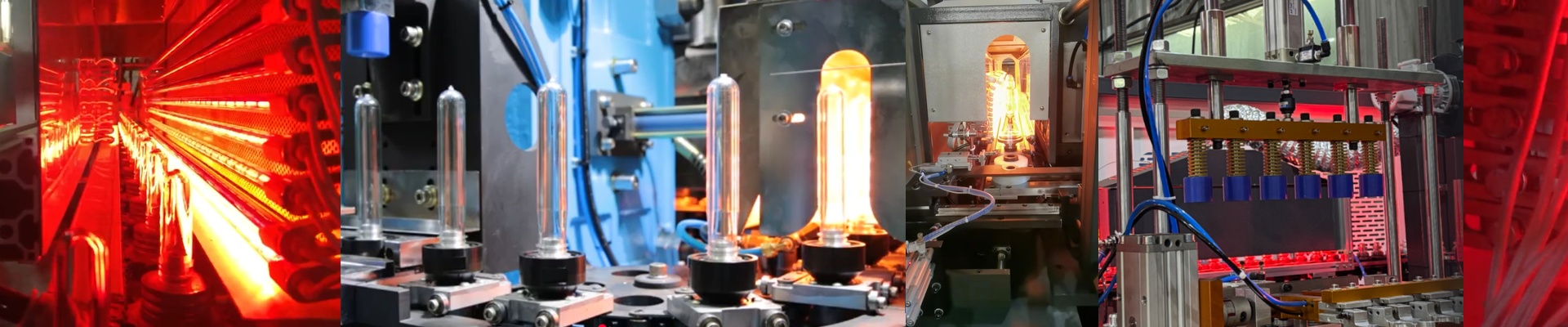
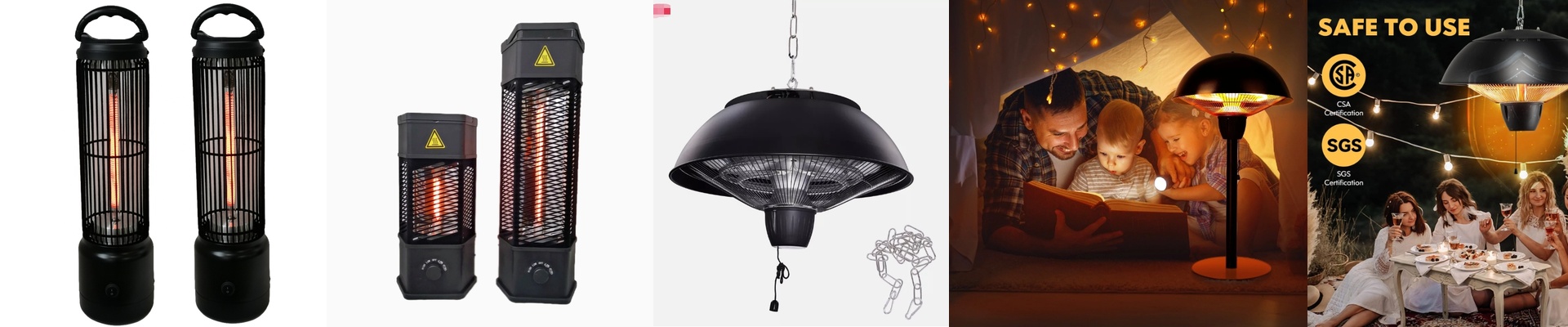
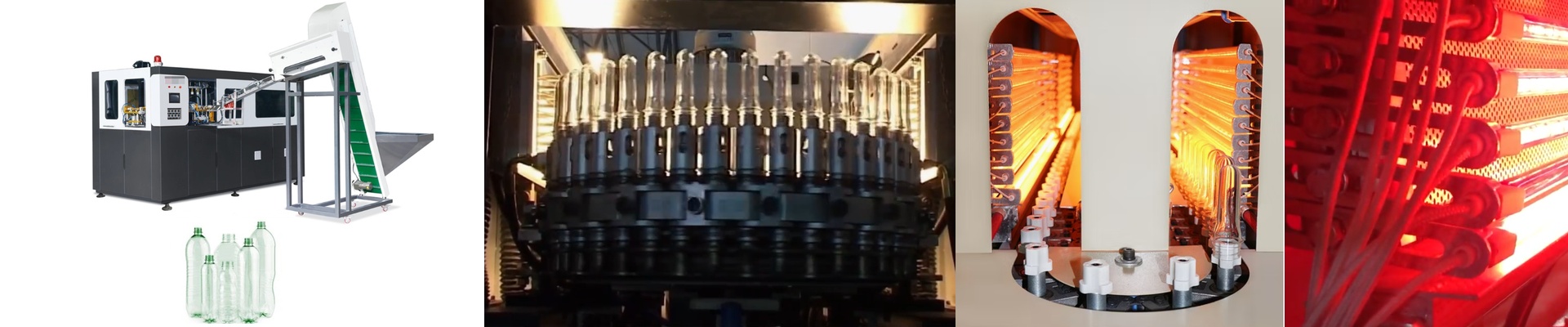
We built this thing to be a workhorse. The heart of it is a halogen-filled quartz envelope. This design lets the filament run at insane temperatures, blasting out shortwave infrared energy. This isn’t about warming the air around the dough. It’s about hitting the surface directly. And that’s the magic. It’s why the lamp comes on almost instantly. No long warm-up. You get that “second-level response”—the kind of speed that keeps your production line moving. Then there’s the R7s base. It’s the industry standard for a reason. That two-point contact is tough. It handles the high current without a fuss and locks into the socket so it won’t rattle loose, even in a busy, vibrating oven.
The Real Win: Solving the Browning Problem, Once and For All
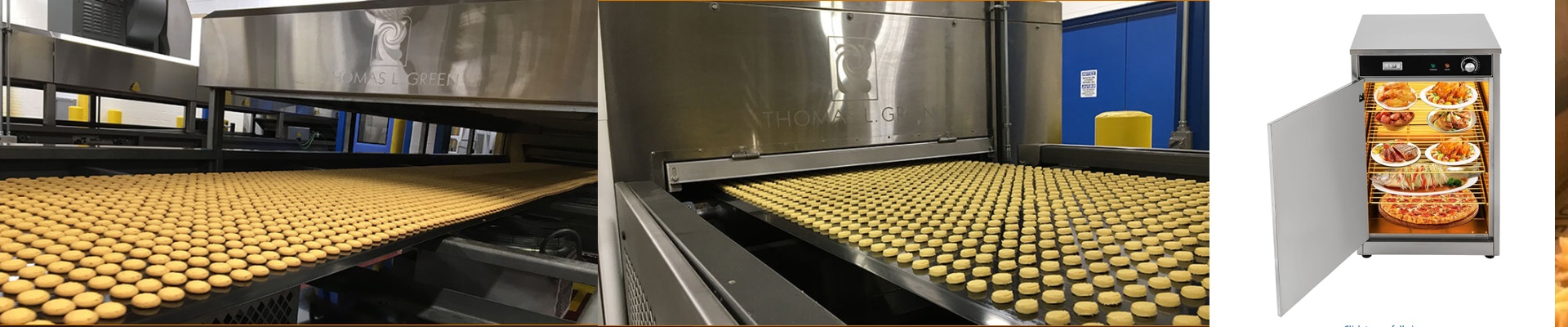
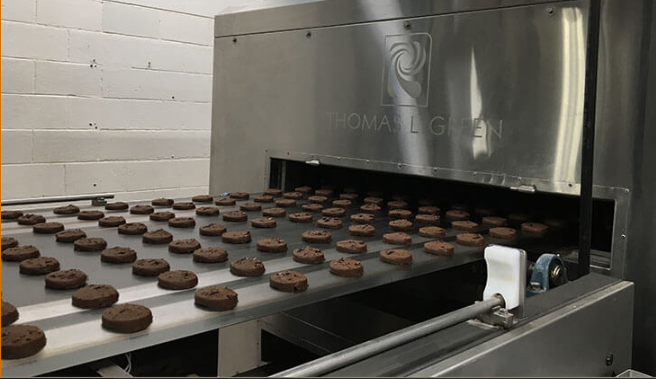
In a deck oven, the top element is where the magic happens. It’s all about the finish. Our 500W infrared lamp focuses all its energy right there. It’s a direct hit. Way faster than waiting for the whole oven cavity to radiate heat. The result? A browning process you can control and repeat, day after day. It finally keeps up with your demand. But, and this is important, that power comes with a trade-off. Because the heat is so intense and focused, the area right around the lamp gets seriously hot. You’ve got to make sure your oven’s insulation and airflow are up to the task. For the engineers out there, that means the lamp gives you incredible speed for finishing, but the oven itself needs to be ready for that concentrated heat.