

The Truth About Outdoor Heater Seals
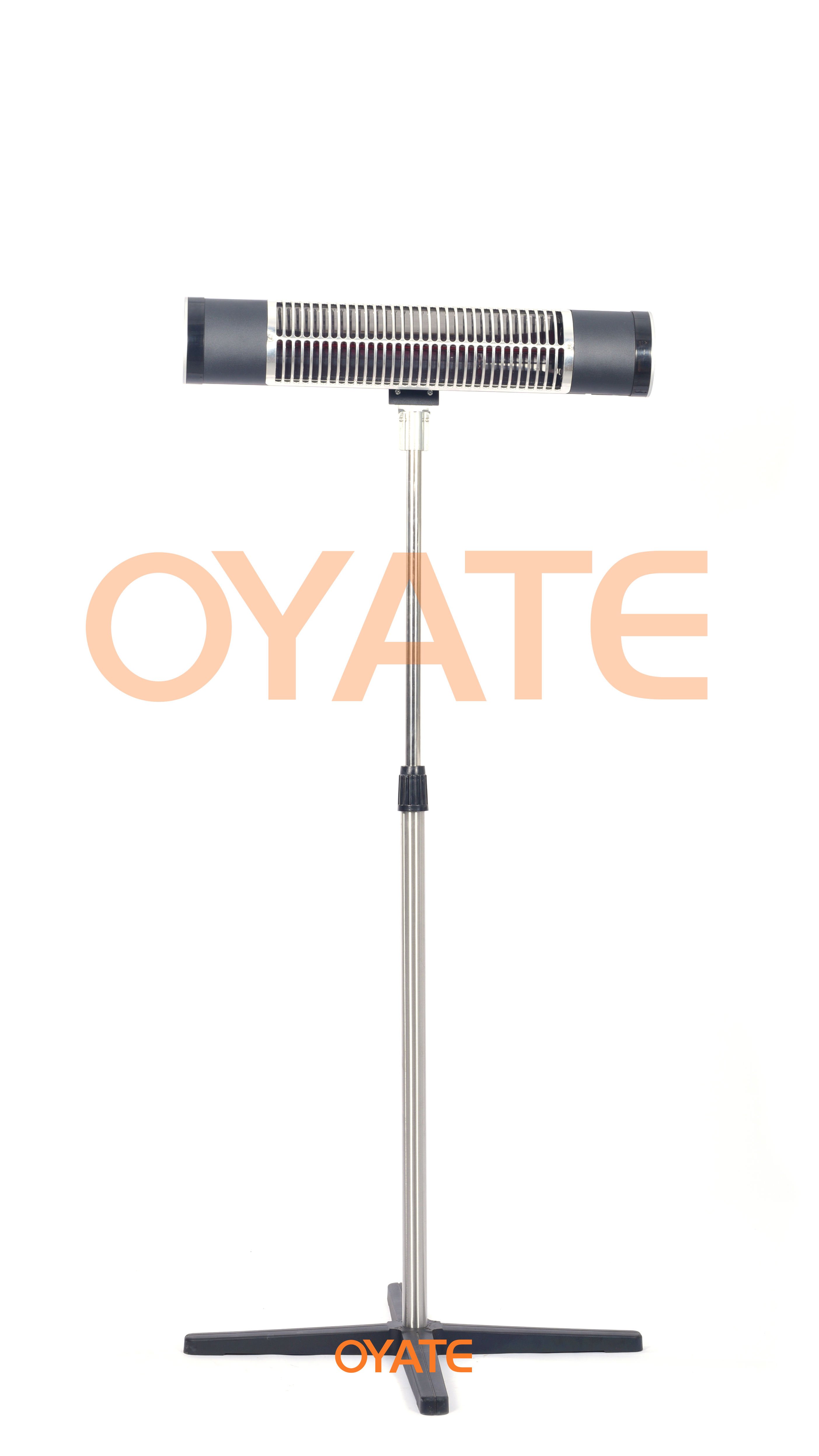
Let’s be honest: outdoor bar patios are a nightmare for electronics. You’ve got these high-wattage infrared heaters cranking out extreme heat, all while sitting in rain, humidity, and salt air. Most people think the heating element is the part that’ll give out first. It’s not. The real trouble starts at the lead-wire connection.
Why most heaters just… stop working
If you buy a cheap heater, you’ll usually find basic glue or some heat-shrink tubing holding the wires in place. That’s a recipe for disaster. Here’s the thing: when that quartz tube heats up and cools down, it “breathes.” It expands and contracts. Over time, that movement pulls moisture right into the seal. Once water hits a high-voltage wire, things get ugly. The insulation burns, the wires touch, and pop—you’ve got a short circuit. We do things differently. We use high-temp silicone potting compounds that actually bond to the quartz and the wire jacket. It creates a tight, air-proof seal. This doesn’t just keep the rain out; it keeps oxygen away from the copper so it doesn’t oxidize and rot under the heat.
The “Cheap” Trap
Generic sealants are a joke. They harden up and crack after one season, leaving your wires totally exposed. We use materials that stay flexible even at 250°C. That way, the seal moves with the metal housing instead of just snapping off. But you can’t just glob it on. If the sealant is too thick, it traps heat and can actually cook the wire from the inside out. We’ve spent a lot of time figuring out the exact amount of sealant needed to keep the water out without creating a “thermal dam.”
The Trade-off
Look, this way of doing things isn’t “easy.” It takes more time to assemble and costs a bit more. It also makes field repairs a pain. If a lead wire breaks on a potted connection, you can’t just grab a soldering iron and fix it on the spot. You usually have to swap out the whole element. But if you’re running a busy commercial bar, trust me: replacing a lamp in five minutes is way better than spending your Friday night trying to debug a short circuit in the middle of a rainstorm.