
Stop Letting One Broken Heater Kill Your Whole Shift
When you buy an infrared heating system, you aren’t just paying for heat. You’re actually signing up for a maintenance schedule. And let’s be honest: in an industrial shop, heating elements eventually burn out. It happens. But if your heater is all hard-wired or built into one giant, solid block, replacing a single tube can be a nightmare. You’re looking at a dead production line for an entire shift just to fix one small part. That’s a lot of wasted time.
The “Plug-and-Play” Way of Thinking
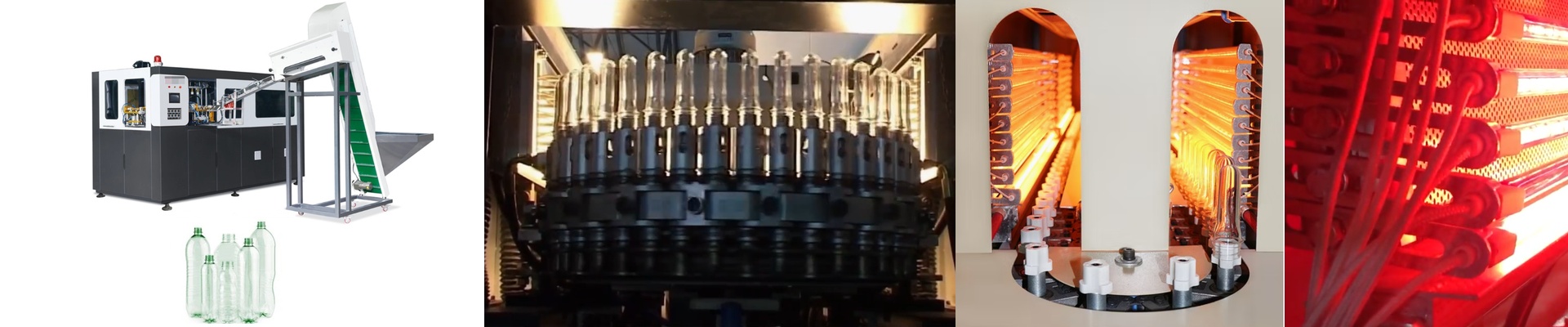
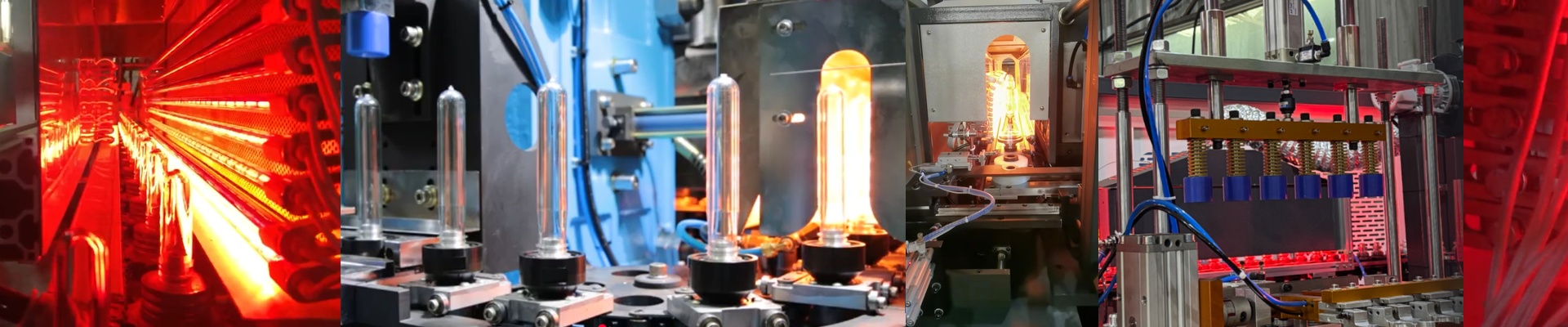
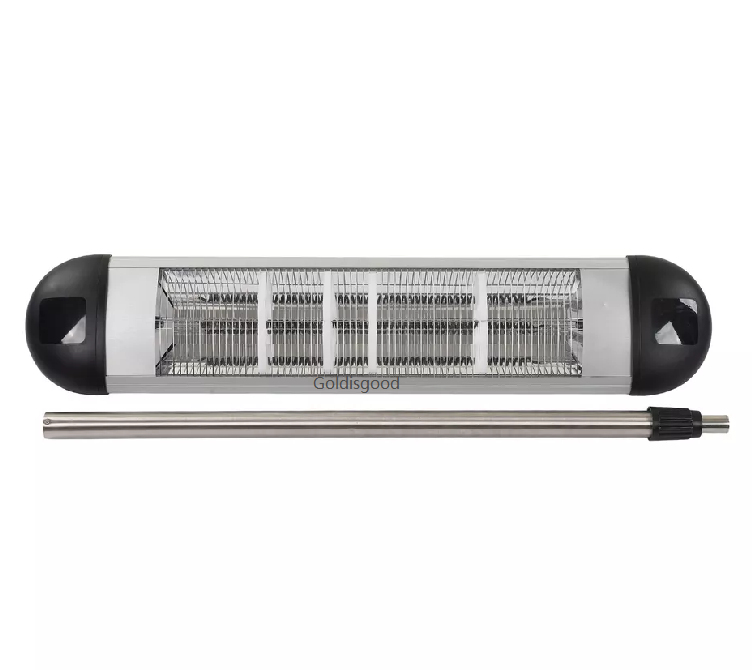
We look at heating elements as consumables—like a lightbulb—rather than something that’s meant to last forever. Instead of dealing with messy soldering or a dozen confusing fasteners, we use a modular frame. Here’s the beauty of it: when a tube finally gives out five years from now, you don’t have to rip the whole assembly apart. You just pull the module out, pop in a new element, and slide it back in. It’s that simple.
Swapping Parts Without the Headache
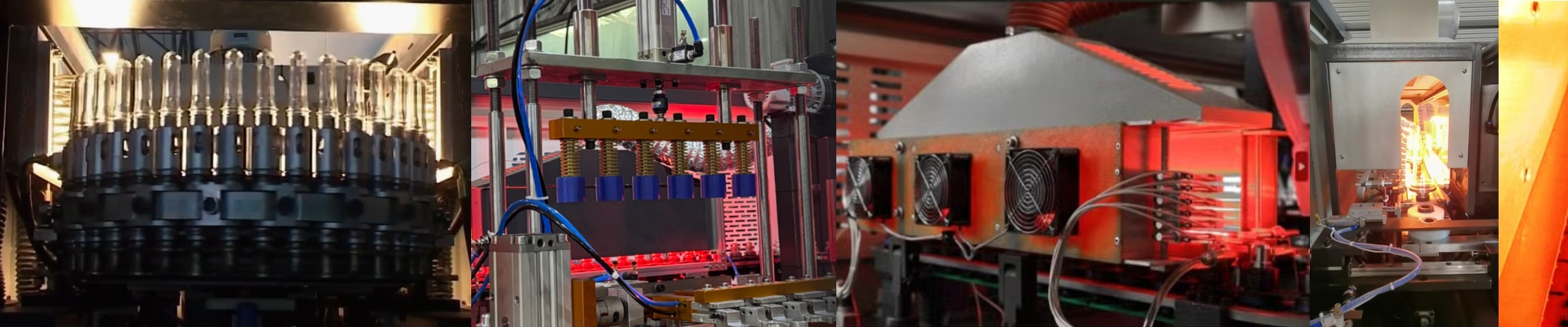
We spent a lot of time obsessed with how a technician actually touches the machine. We used standardized connectors and quick-release brackets because nobody wants to hunt for a specialized tool in the middle of a breakdown. No unnecessary bolts. No permanent welds slowing you down. You can swap a burnt-out tube in a few minutes and get back to work without even touching the main control panel.
The Catch (Because there’s always one)
Now, to make a modular system work, the fit has to be tight. If the frame warps because it’s been pushed way past its temperature limit, a replacement might not slide in perfectly on the first try. You’ll also want to make sure your mounting brackets are tight. If they vibrate too much, it can wear down the connectors over time. Just keep an eye on the hardware, and you’re golden.
What This Actually Means for Your Floor
For the person running maintenance, this takes the stress out of a failure. You don’t have to scramble to fabricate a custom fix while the boss is breathing down your neck. Just keep a few spare modules on the shelf. When the alarm goes off, you do a quick swap and keep moving. Your downtime stays tiny, and your heat stays consistent across the whole line.