How to actually keep outdoor spaces warm (without fighting the wind)
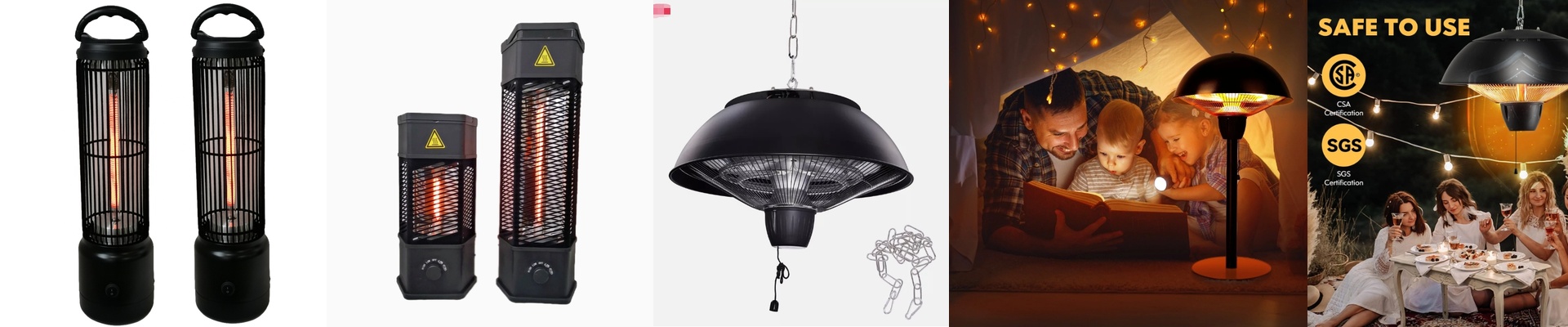
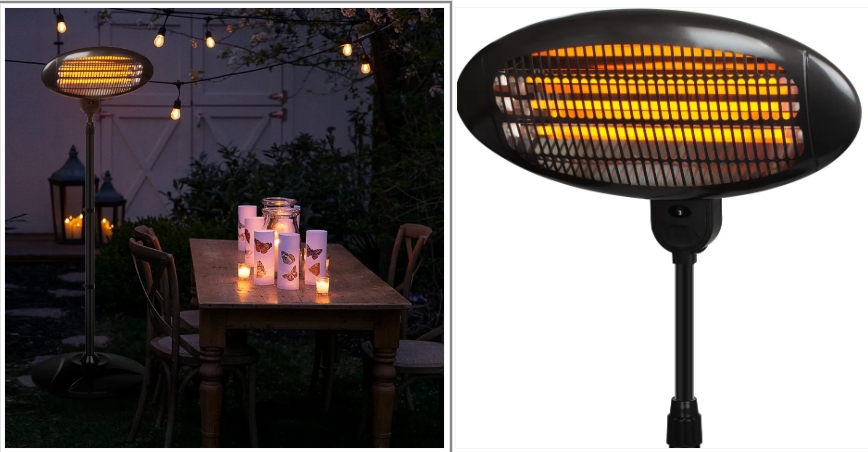
Ever tried to heat an outdoor lounge or a changing area with a standard heater? It’s a losing battle. You’re basically trying to heat the entire neighborhood because the second a breeze hits, all that warm air just vanishes. That’s why we use shortwave infrared. Instead of trying to warm up the air, it goes straight for the target. It hits you—or the surface you’re standing on—immediately. No waiting around for a furnace to kick in. You just step in and feel it. The secret is in the speed. Shortwave IR runs hotter than the longwave stuff. It sends out energy that moves at the speed of light. If you’re in a drafty changing room or a wind tunnel of a patio, it doesn’t matter. The heat doesn’t “blow away” because it isn’t air. It’s a direct beam of warmth. Now, the outdoors is brutal on gear. Rain, humidity, and salt air love to eat electronics for breakfast. To stop that, we tuck the heating elements into waterproof casings. We’re mostly fighting corrosion here, so we use treated reflectors. This keeps the heat moving forward toward the people, rather than letting it soak into the metal frame and waste energy. One thing to keep in mind: watch your power. High-wattage units feel like a luxury hotel, but if you plug too many into one circuit, you’re going to be staring at a tripped breaker. Placement is everything. These units pack a lot of punch into a tiny footprint, which is great, but you have to be smart about where they go. If you mount them too low, you’ll bake whoever is standing underneath. Too high, and you lose that “instant” cozy feeling. We usually do a bit of math based on the wattage to find that sweet spot where it feels comfortable, not scorching.