

Winter in the office turns into a daily tug-of-war: the heating system fights icy drafts, and the air ends up either stuffy or freezing. People keep coats on, fingers stiffen over keyboards, and productivity starts to wobble. A solid infrared heater—controlled from your desk—shifts that dynamic. It puts warmth where it counts: on people. No blasted air. No recirculated dust. No room dried out.
What matters under the hood
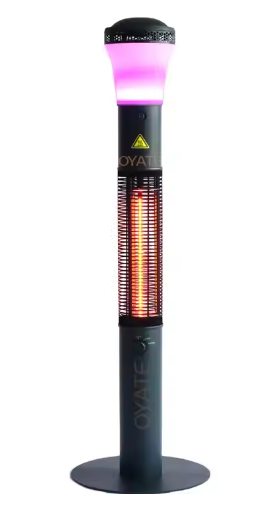
Infrared heaters work because they radiate heat directly, the same way the sun warms surfaces. We pair that with a responsive remote, so you can adjust comfort without leaving your chair. The heating element is built to come up to temperature quickly and deliver even warmth, and the thermostat keeps output steady—so you don’t get the rollercoaster of overheating followed by a sudden chill. The payoff is consistent radiant heat that warms bodies and surfaces, not just the ceiling.
Why it fits an office
Comfort in an office isn’t a perk—it’s what keeps focus and health on track. Radiant warmth helps steady circulation and relax muscles, which makes long stretches at the desk feel a lot more manageable. Because the heat is directional and the unit runs quiet, conversations don’t get drowned out, and concentration stays intact. With remote control, you can fine-tune the temperature for the moment—fewer distractions, fewer layers, and a workflow that doesn’t get knocked off course when it turns cold.
The practical details you’ll want to get right
Infrared heat is at its best when it reaches the people in the room, so placement matters. Aim the unit toward workstations and keep it clear of furniture and curtains. Most models plug into standard electrical outlets, but it’s smart to check the circuit load and keep cords tidy to avoid trip hazards. Also, radiant heaters warm objects and people directly, so the air in the room can feel cooler than the surfaces—pairing the unit with gentle air circulation helps distribute warmth more evenly.