

Keeping Bathrooms Warm Without Hurting Little Eyes
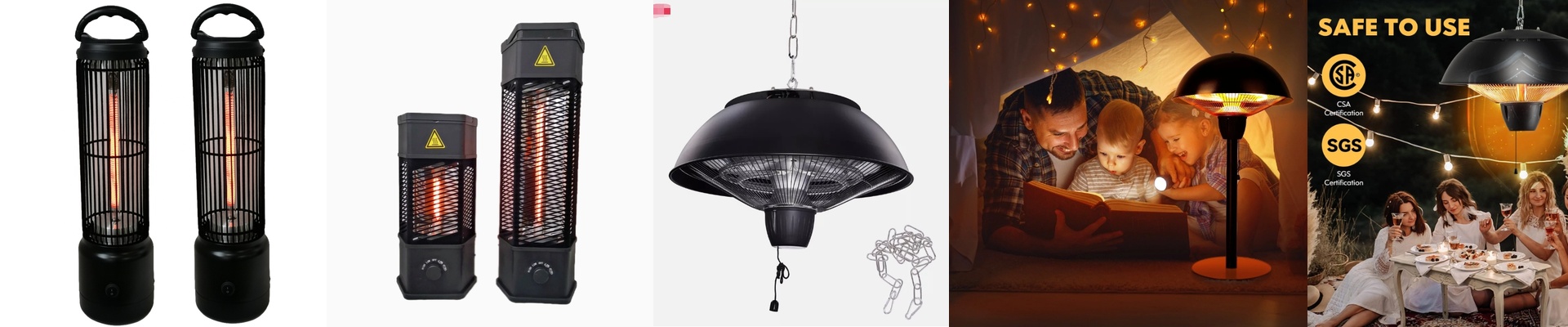
Most bathroom heaters rely on short-wave infrared to get the room cozy in a hurry. It works. But if you’re designing for a home with babies, you can’t just blast raw IR into the air. Developing retinas are fragile, and those harsh blue-light peaks are a real problem. You need heat that feels great but doesn’t put out light that’s too aggressive. The trick is in the materials. We use a halogen-filled quartz envelope. The quartz lets the heat slide right through without losing its punch, and the halogen keeps the filament from burning out too fast. But the real secret is the coating on the tube. It acts like a filter, blocking out the UV rays and high-energy visible light. It pushes the energy toward the longer-wave infrared spectrum. The result? You feel that deep warmth on your skin, but the light stays soft and muted. No glare, no harshness. Then there’s the water problem. Water and electricity are a nightmare pairing, especially in a steamy shower. That’s why these are built for IP65 housings. It sounds technical, but it just means the seals around the connectors have to be airtight. We use gaskets that can handle the constant “breathing”—expanding when they get hot and shrinking when they cool down. If a seal lets go, a tiny bit of moisture hits that scorching quartz and the whole tube cracks. Boom. Done. What about installation? We wanted these to be simple drop-in replacements. No fighting with the fixture for an hour. We stuck with standard R7s or spring-loaded connectors so you can just wire them up and move on with your day. There is one trade-off, though. Because of that safety coating, you lose a little bit of brightness. It’s a fair swap—a tiny bit less light for a lot more safety. Just make sure your fixture has a polished aluminum reflector. It ensures the heat actually hits the person in the room instead of getting trapped in the housing.