

You’re trying to stretch outdoor evenings into late fall, or keep a workshop warm despite the drafts that always seem to sneak in. The last thing you need is a heater that can’t plug in, can’t keep up, or isn’t spec’d for the power you actually have. When the air turns sharp, comfort needs to be immediate, quiet, and just plain dependable.
What matters under the hood
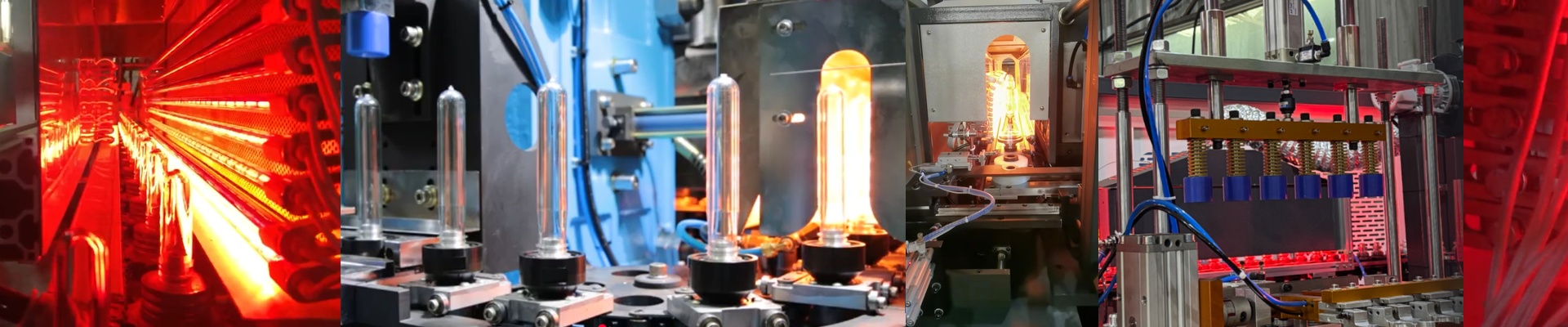
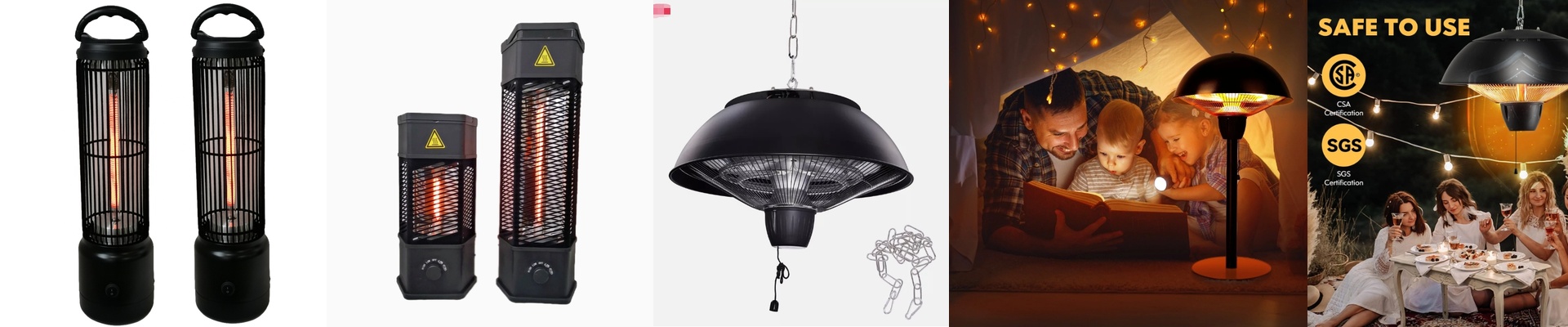
Low-wattage infrared heaters deliver comfort by radiating heat directly to people and objects, not by trying to warm the whole volume of air. We build them around efficient emitters—quartz tubes or carbon fiber elements—paired with reflectors that focus the warmth outward. The payoff is targeted infrared warmth that feels steady, even when the ambient temperature drops. Power systems vary from country to country, so we spec our heaters for real-world supply. We can configure units for a wide range of voltages, from common residential supplies to commercial circuits, and match the plug and wiring standards required in each region. Every configuration is engineered around consistent heat output, safe operation, and installation that doesn’t make you hunt for adapters.
Why this approach fits
Global customization means the outdoor electric heater meets your site, not the other way around. On a covered patio, a low-wattage infrared heater warms seating areas without blasting air around, so conversations stay easy and the vibe stays calm. In a garage or workshop, it helps maintain comfort where drafts and big doors make conventional heating inefficient. You get flexibility without trade-offs: pick the right voltage, the right cord, and the right safety features for your space. Energy use stays sensible because the heater works on demand, firing up only when you need it, and radiant heat warms people directly—so comfort feels personal even if the room is on the cool side.
What to keep in mind
Because we tailor specifications to local power and safety requirements, lead times can vary depending on the customization level. Get the details straight up—voltage, plug type, and the environment (dry, damp, or exposed)—and we can deliver a unit that starts clean and stays reliable. For outdoor use, the enclosure and cord have to be rated for the conditions. If the heater will face rain or heavy splash, confirm the IP rating and plan shelter or mounting that keeps the unit protected. Match it right, and you get warmth that feels natural, performs predictably, and fits the way you actually live.