
How to Keep Your Bathroom Mirror Heaters from Becoming a Hazard
Putting infrared heating lamps behind a bathroom mirror sounds simple, but you’re basically mixing electricity with a steam room. That’s a recipe for trouble if you aren’t careful. Water vapor loves to find a way into your wiring, and once it does, you’re looking at short circuits or ground faults. We don’t take chances here. The goal is total insulation. Period.
Dealing with the Damp
Steam changes the rules. In a dry room, a small air gap between wires is usually fine. In a steamy bathroom? That gap doesn’t protect you anymore. To stop electricity from leaking where it shouldn’t, we use specialized insulating sleeves and seals that actually keep moisture out. We also make sure the housing is tight. No live parts should ever be “breathing” that steam. We keep the heating element completely separated from the mirror’s metal frame and brackets so there’s no path for a shock to travel.
The Right Stuff for the Job
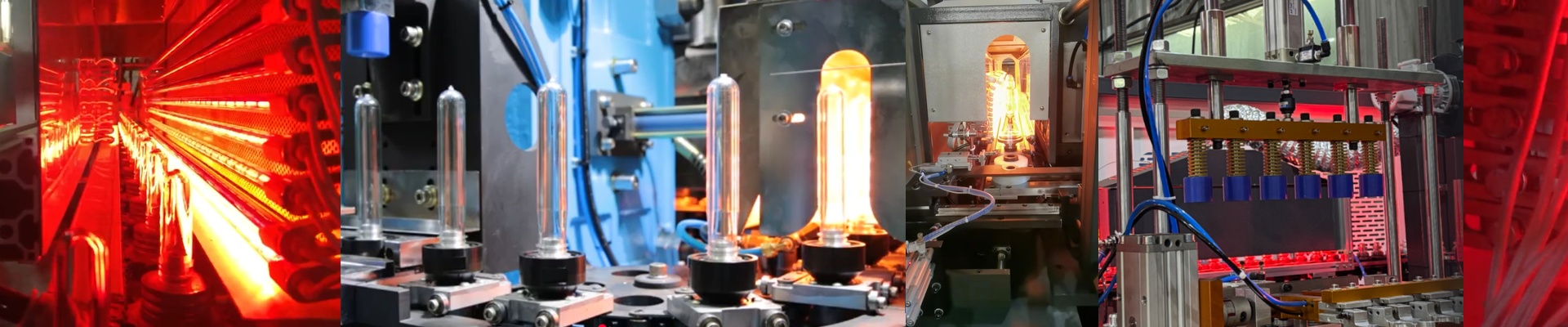
We go with high-purity quartz glass for the tubes because it’s a natural insulator. It just works. But here’s the catch: the weak spots are always the end caps and where the wires connect. That’s where things usually fail. To fix that, we use silicone-based potting compounds or heat-shrink polyolefin on the lead-out wires. It basically creates a waterproof plug that stops moisture from creeping into the filament. And please,don’t skip the grounding. Even with great internal insulation, you want a dedicated earth connection for the chassis. Think of it as your safety net. If a tube ever cracks, the ground wire handles the problem before it handles you.
The Trade-offs You Need to Know
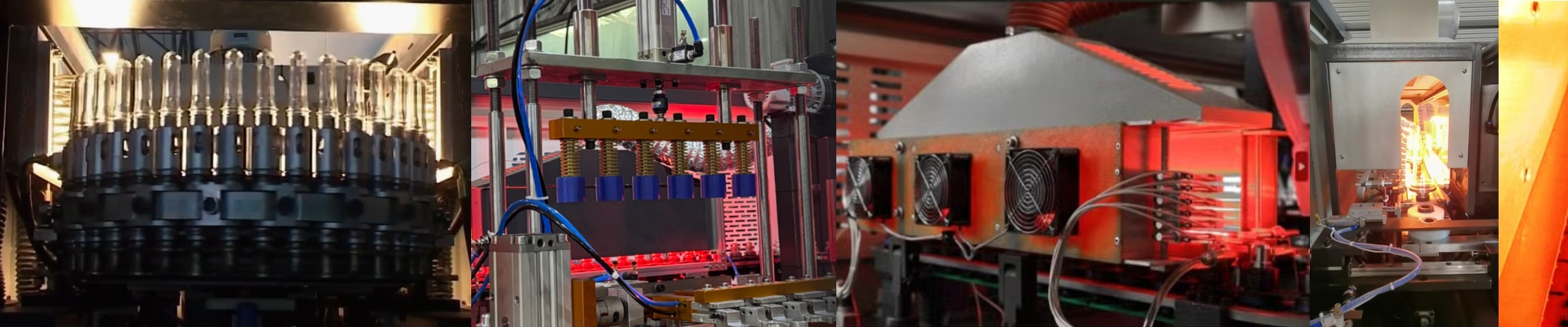
High-wattage lamps get hot. Really hot. While the insulation keeps you safe from shocks, that heat makes materials expand and contract. If you jam the lamp into the mirror housing too tightly, that expansion puts a massive amount of stress on your seals. Eventually, they’ll just wear out or snap. Give the tube some room to breathe. One last thing: use cables rated for high temperatures. If you use cheap wiring, the insulation can melt during a long shower, and that’s a problem you definitely don’t want.