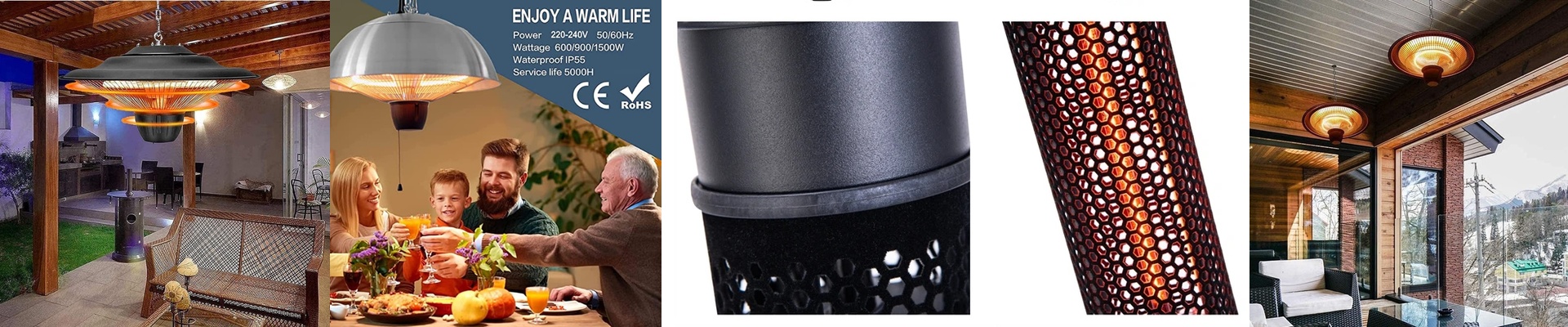

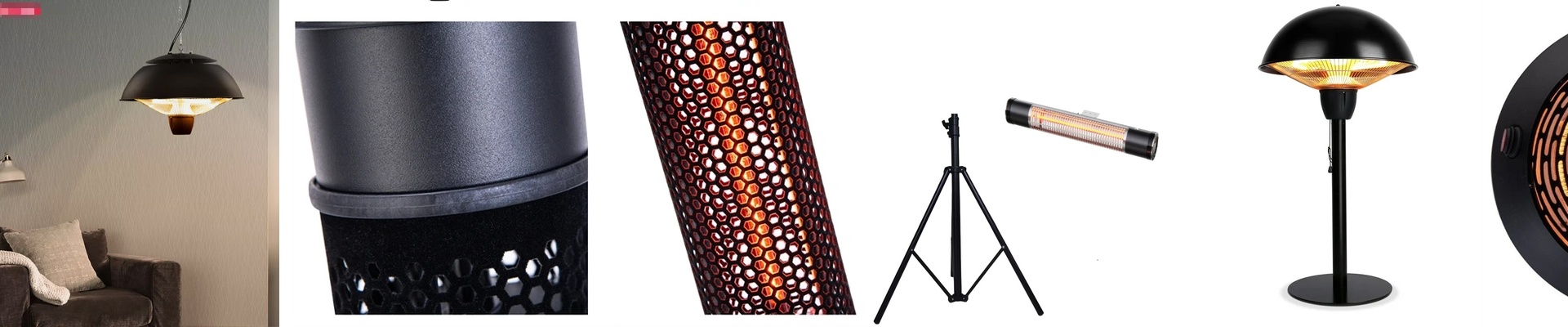


A sunroom only feels relaxing when the heat shows up fast—and without a lot of fuss. Waiting on a forced-air system to chase the chill off the glass and furniture eats into downtime, and the running costs can turn a peaceful spot into a monthly headache. Infrared heating flips that script by warming people and surfaces directly, not the air around them.
What’s actually under the hood
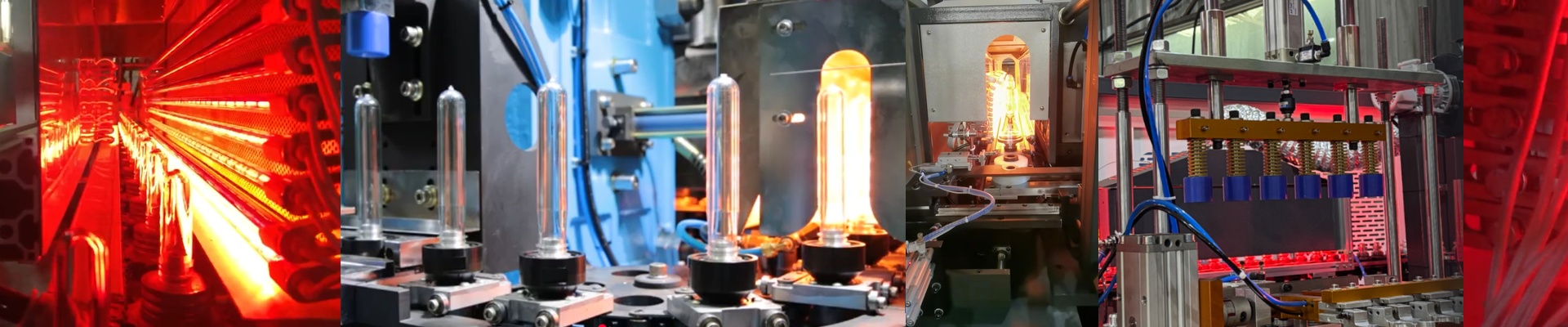
We build our sunroom infrared heaters around a carbon fiber element sealed inside a quartz tube. Electricity runs through the element and comes out as short-wave infrared radiation—heat you feel the way you feel sunlight on your skin. The payoff is immediate radiant heat, often noticeable within seconds of flipping the switch. In practice, that direct energy transfer means you’re heating the space you’re actually using, not every cubic foot of air. In many sunroom setups, that efficiency shows up as roughly 30% less electricity use compared with convection-based electric heating, based on real-world operating data. You still get precise comfort control with an adjustable thermostat and steady output, and the housing is built to make installation straightforward, with a standard 120V plug.
Why this makes sense in a glass room
A sunroom is mostly glass, so heat slips away quickly and the air warms unevenly. Infrared warmth bypasses the air and puts the heat where you feel it—chairs, floors, and you. That keeps the room feeling more stable, even when the outdoor temperature shifts. Because the heater doesn’t have to cycle as hard to hold comfort, energy use stays lower and the space stays quieter—no fan noise, just consistent radiant heat.
The practical details that matter
Infrared heating works best when you have a clear line of sight to the unit. Walls, curtains, or tall furniture can create “shadows” that feel cooler. For the best coverage, mount the heater at a height that spreads warmth across the seating area, and if your sunroom gets humid, pick a model rated for damp locations. One real-world note: because infrared heats surfaces first, you’ll often feel objects warming up before the air does. That’s exactly what most people want for comfort—but it’s not the same as expecting the whole room’s air to feel hot.