


On a cold shop floor, the air just sits there—heavy, stubborn. Hands stiffen, work slows, and the meter keeps climbing faster than the temperature does. Electric oil-filled radiators do their best, but they feel slow to respond, and they can be a real drain to run.
What matters under the hood
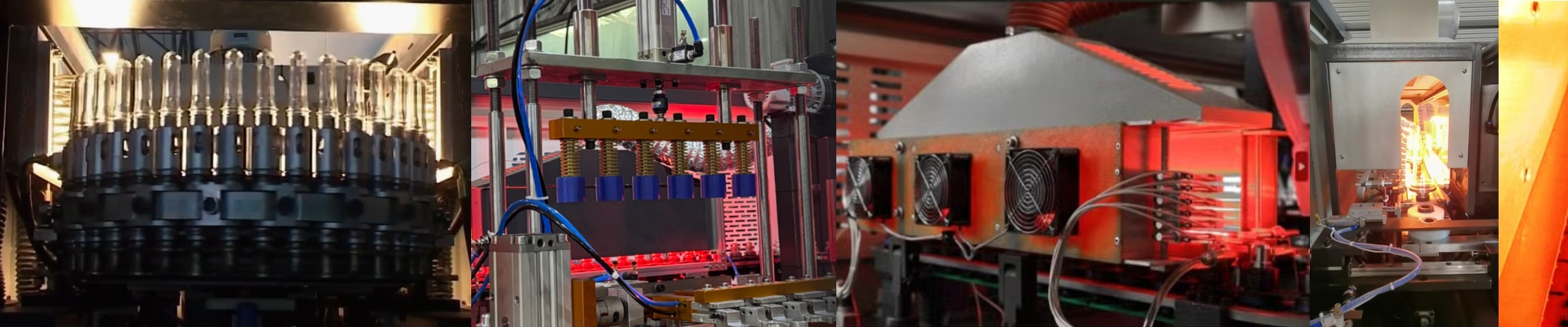
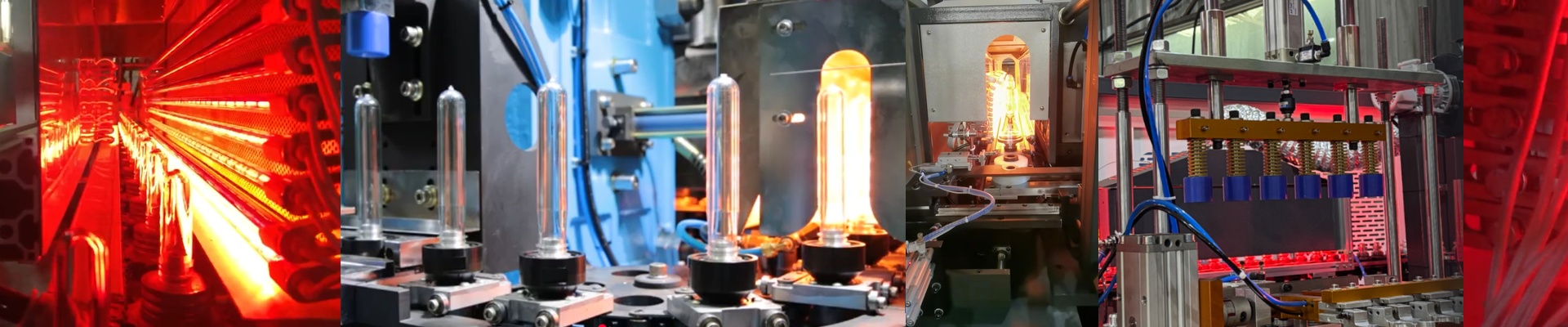
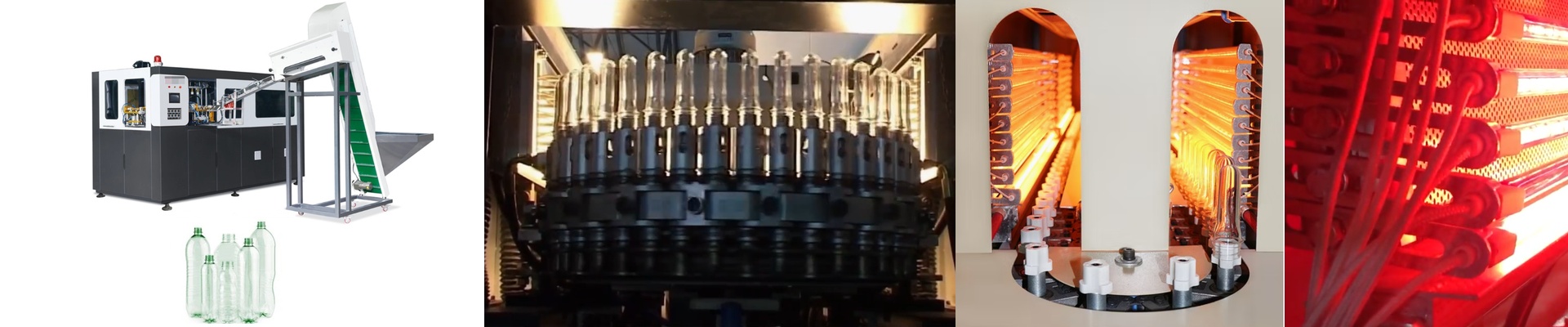
We built this workshop electric heater around short-wave infrared technology. It delivers radiant heat that goes straight to people, tools, and work surfaces—no waiting around for the air to warm first. The carbon fiber element comes up to temperature fast, and the focused reflector puts the warmth where you actually need it. You can spec it for 120V or 240V, and the outputs are sized to match real workshop loads, not wishful thinking. A built-in thermostat keeps comfort steady, and you get the practical safety of tip-over protection and overheat protection.
Why it fits the way you work
Compared with an electric oil-filled radiator, the change is immediate. Infrared warmth reaches you faster, so you feel comfortable sooner—and the heater isn’t trying to heat the whole volume of air. In practice, a lot of shops see the energy bills drop when they switch to infrared for spot heating. You also get back floor space. No bulky oil reservoir to wrestle around. Work starts on time, quality stays consistent, and the cost per warm hour comes down.
What to keep in mind
Infrared heats people and objects directly, so you can feel warm even when the room air reads cooler. For the best results, aim the heater to cover the primary work zone and keep a safe distance from combustible materials. If you need whole-shop comfort, pair the infrared heater with a small circulating fan to gently move air. And yes, the exterior will feel slightly warm during operation—normal, and a good reminder to maintain clearances.