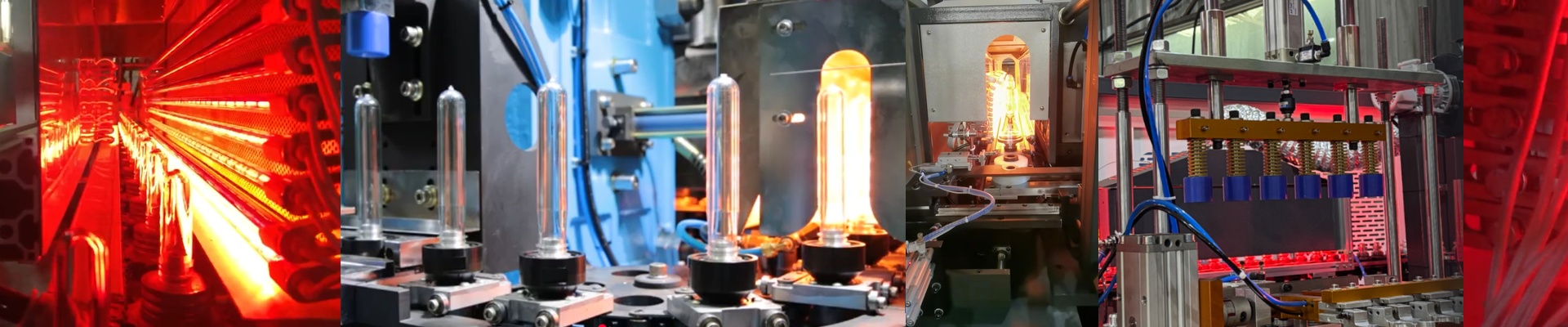
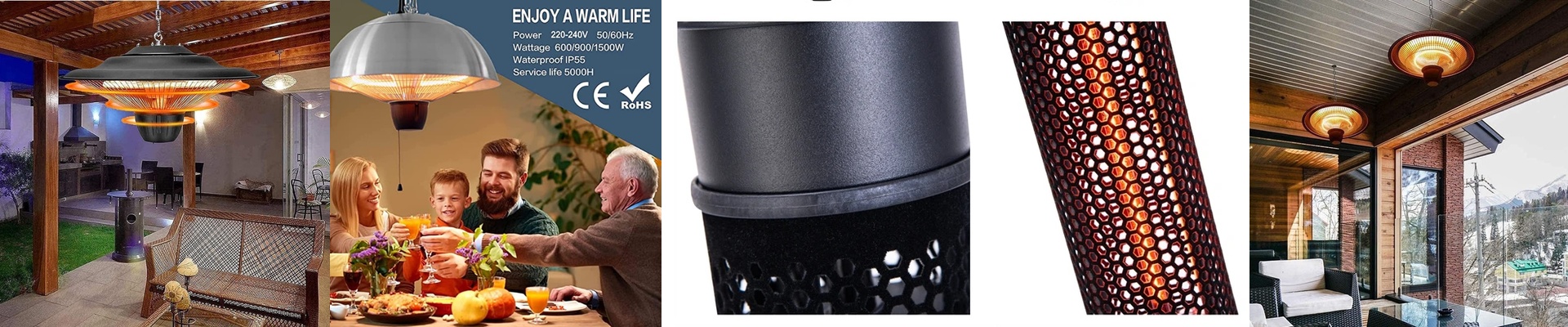
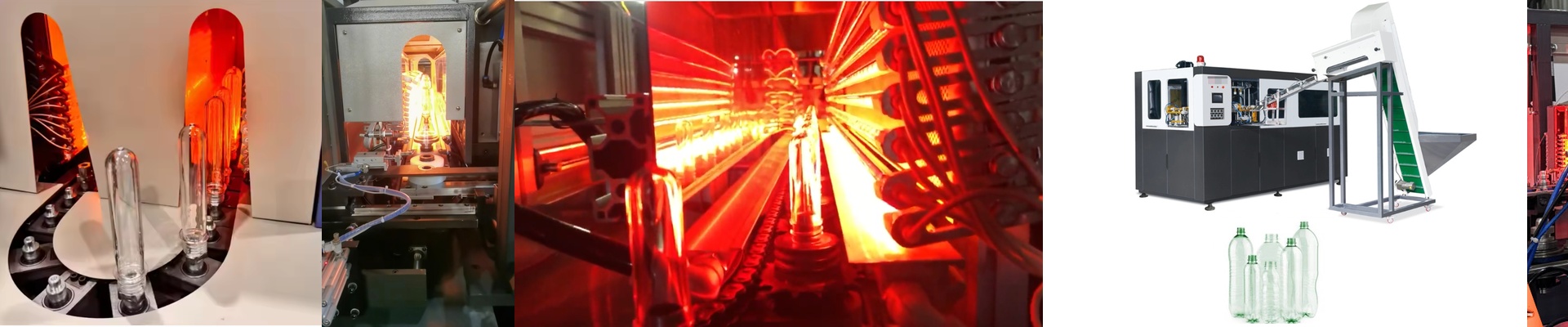
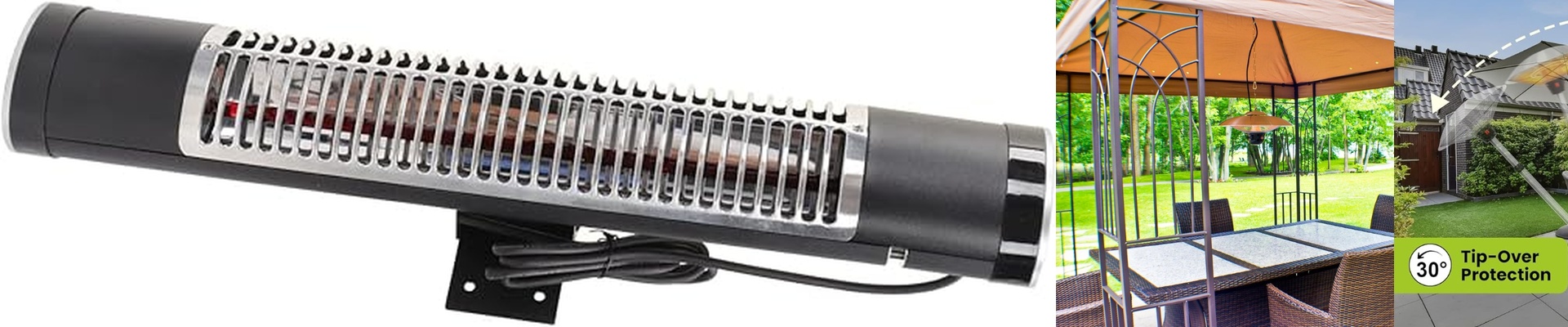
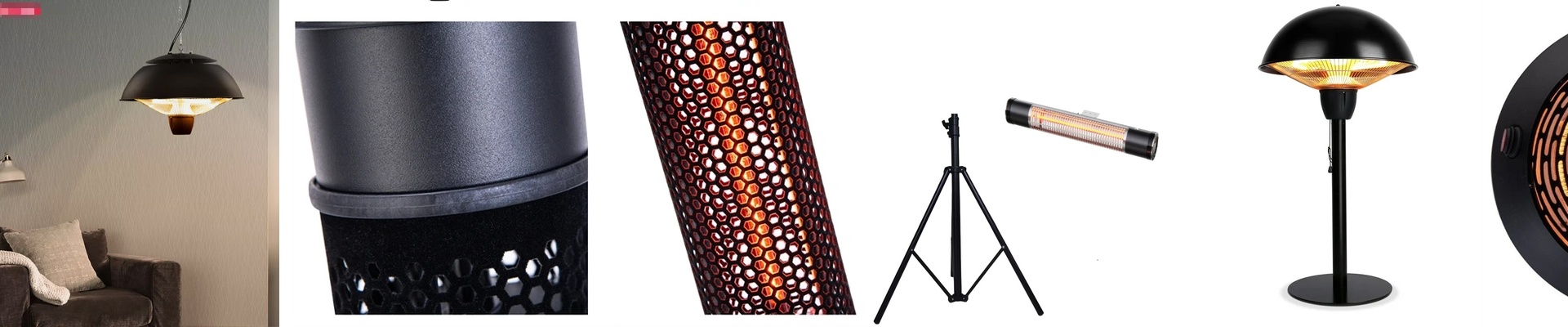

Outdoor seating is what turns a passerby into a regular. But when the temperature drops, a patio that takes forever to warm up quietly kills covers, shoves tables into corners, and forces you to cut service short. We spent ten years refining our infrared patio heaters on real production lines—not on marketing decks—so the warmth your guests feel is fast, even, and dependable.
What actually matters under the hood
Our commercial patio heater is built around radiant infrared warmth, pushed out through a high-output carbon fiber element. That means heat shows up the instant you flip the switch—no waiting around for air to start moving. Guests feel comfort right away. You’ve got power choices matched to commercial electrical, with straightforward 240V compatibility and hard-wired connections. That’s the kind of setup that stays stable through long shifts, not just a good first impression. Everything is specced for the outdoors: a sealed body with a solid IP rating to keep out rain and wind, a protective grill that can handle a busy service, and a thermostat that holds output steady instead of hunting and pecking. For safety, there’s tip-over protection and overheat protection—quiet, practical safeguards so staff can focus on guests, not babysitting the heater.
Why this approach fits a working patio
A restaurant patio isn’t a showroom. It’s tight, it’s crowded, and it moves fast. You need warmth that doesn’t glare, doesn’t blast, and doesn’t create drafts. Infrared shines here because it warms people and surfaces directly. That keeps edge tables usable and keeps turnover moving after sunset. Because the heat is on-demand, you only run it when you need it. That helps control operating costs compared to trying to heat a huge volume of open air. The payoff is a more consistent experience: fewer cold-spot complaints, more repeat bookings, and the flexibility to extend service into cooler evenings.
The practical stuff you’ll want to get right
Installation matters. This unit is meant for a permanent, professional setup—hard-wired, properly grounded, and placed where airflow isn’t blocked. Keep the required clearances from combustible materials, and position it so seated guests aren’t staring into the element. A heads-up: infrared warmth is most effective for targeted comfort, not for heating an entire open lot. Plan coverage in zones and match power to each seating area. When it’s placed correctly, the heater runs with the kind of quiet consistency that makes outdoor dining feel effortless.