

Every winter, the same headache shows up in municipal facilities—libraries, community centers, bus shelters. Heating costs climb while budgets stay flat. Comfort has to happen, but running conventional HVAC across open areas is like trying to fill a bucket with a hole. You just end up pouring money into the air and watching it disappear.
What matters under the hood
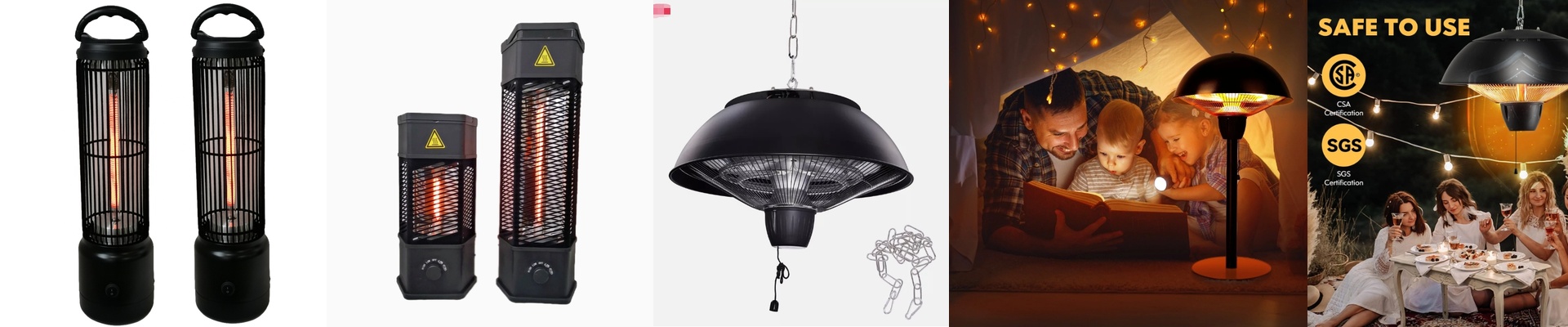
Commercial infrared patio heaters don’t work like that. They don’t try to warm the whole volume of air. They send out radiant heat that travels in straight lines and warms people, floors, and furnishings directly. In real life, you feel the warmth within seconds of turning the unit on, even when the air is cold. We build these around proven infrared elements—quartz tubes or carbon fiber—paired with reflectors that focus the output where you need it. Most models run on standard electrical supplies, and the power level is matched to the space. You get single-zone control, adjustable thermostats, and safety features like tip-over protection. For outdoor or semi-exposed spots, an IP rating keeps dust and splashes from becoming a problem.
Why this makes sense in public spaces
Public buildings tend to have high ceilings, drafty entries, and layouts that are partially open. Trying to push warm air through those volumes is slow and expensive. Infrared heaters go straight after the zones people actually occupy, so you can keep overall temperatures lower and still maintain comfort where it counts. For municipal managers, that shows up as fewer kilowatt-hours during the coldest stretches and a steadier monthly bill. Maintenance is easier, too. Fewer moving parts in the heating zone means fewer service calls and less downtime. When you’re running a fleet across libraries, lobbies, and covered waiting areas, those operational savings stack up fast.
The details that make it work
Infrared warmth is immediate, but it only works well when the beam pattern fits the layout. These heaters perform best in sheltered or partially enclosed areas. In fully open, windy conditions, the heat can feel uneven unless you space the units closer and plan coverage carefully. Plan for local power circuits and thermostat placement to avoid hot spots. If you’re retrofitting older buildings, check voltage compatibility and confirm mounting options before you order.Proper placement is what turns “warm in one spot” into consistent comfort across the whole public space.