Stop Dealing with Cold Spots in Your Ovens
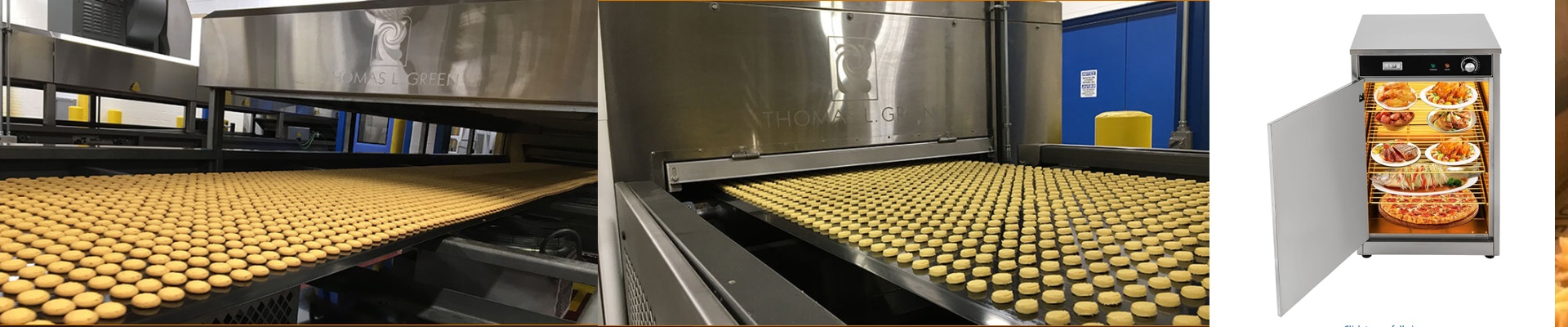
There is nothing more frustrating than pulling a tray out of the oven only to find the edges are charred but the middle is still raw. It’s a waste of food, a waste of time, and a total headache for your kitchen staff. Usually, this happens because the heat isn’t hitting the food evenly. That’s why we use halogen quartz tubes. They just work better.
Why Halogen Quartz Actually Works
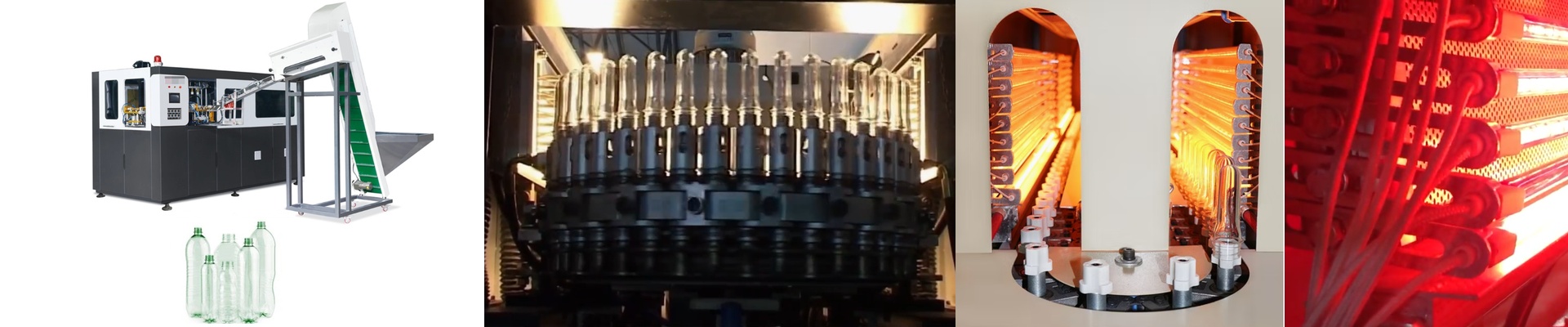
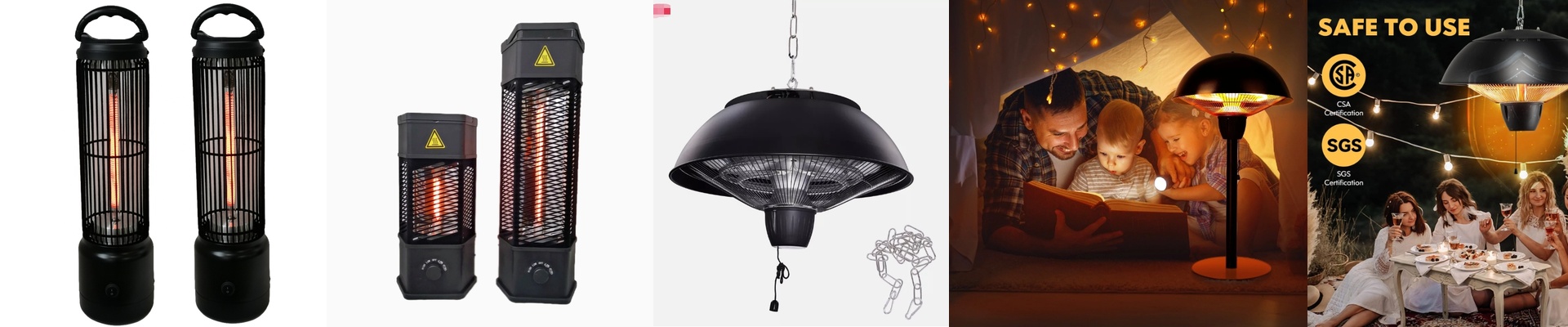
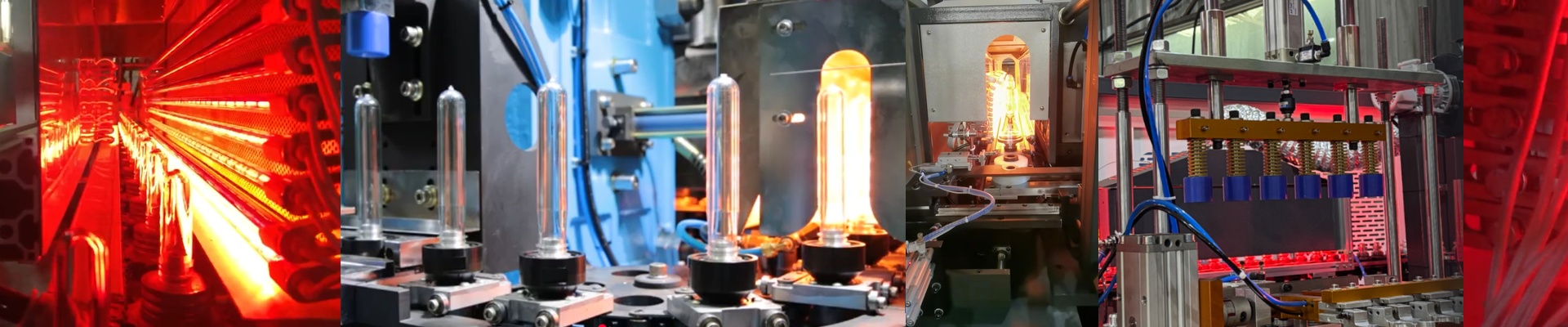
Most ovens rely on heating the air around the food, which is slow and patchy. Halogen quartz is different. It uses short-wave infrared radiation that hits the food directly. Think of it like stepping into the sun on a cold day—you feel the heat instantly on your skin, even if the air is still chilly. Plus, these tubes have a built-in halogen cycle that keeps the tungsten filament clean. This means the lamps last longer and they don’t lose their punch over time. You get the same heat on day 100 as you did on day one.
Getting the Balance Right
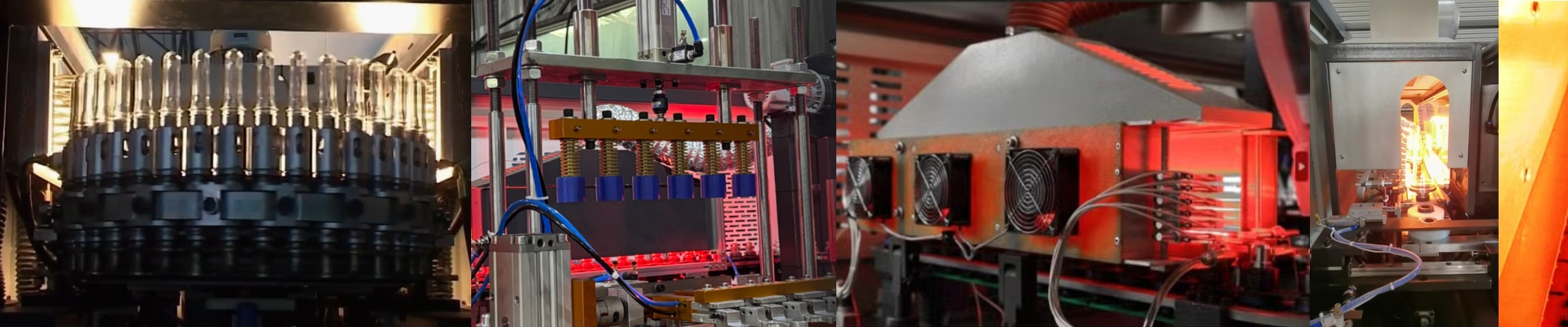
You can’t just throw these in and hope for the best. You have to get the wattage and the length of the tubes exactly right for your oven’s footprint. If you go too heavy on the wattage without the right spacing, you’ll just trade your cold spots for scorching hot spots. It’s a balancing act. We tweak the power density and tube length until the heat is perfectly spread out. One quick tip: check your controllers. Infrared reacts fast. If your PID controller is tuned for slow, old-school coils, your temperatures will swing wildly. You need a system that can keep up with the speed of the lamps.
The Real-World Trade-offs
Now, here is the catch. Quartz is fragile. It can handle the heat, but it hates physical shocks. A stray bump or even a greasy fingerprint on the glass can kill a tube prematurely. You’ve got to be strict about how they’re cleaned. No scrubbing, no grease—just keep them pristine. Also, keep in mind that these aren’t just “plug and play” in terms of timing. Because the heat transfer is so much faster, your old timers won’t work. You’ll need to recalibrate everything or you’ll overcook your product. And if you decide to crank the wattage to shave a few seconds off your cook time, keep an eye on the oven chassis. You might need some extra venting so the outside of the machine doesn’t get too hot to touch.