Fixing Those Annoying Cold Spots in Your Bakery Ovens
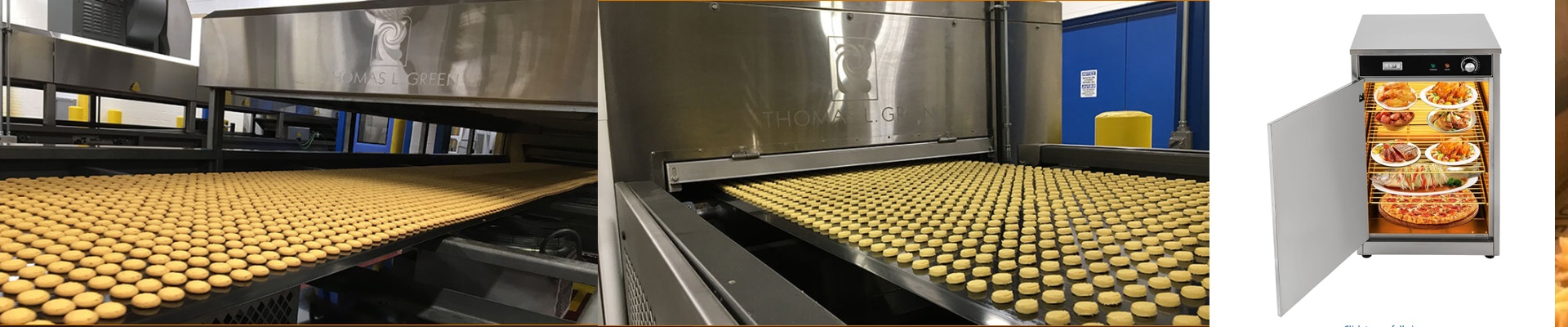
If you’ve ever worked with multi-deck ovens, you know the struggle. You’ve got convection fans blowing air everywhere, but you still end up with those stubborn cold spots between the decks. It’s frustrating. You want a perfect bake, but the oven just isn’t cooperating. That’s why we started using linear infrared lamps. Instead of hoping the heat spreads evenly, we give each zone its own brain. Now, you can crank up the top deck to get that gorgeous golden brown while the bottom deck just keeps things steady and slow. How it actually works Most ovens just rely on the walls getting hot and air moving around. It’s slow. Infrared is different. It sends a wave of heat that hits the food directly. By putting these tubes on separate circuits for every deck, you aren’t fighting over one single heat source anymore. You can even pick different wattages for each level depending on how much you’re baking. The gear we use We make these lamps out of high-purity quartz glass. Why? Because bakeries are rough environments, and these things need to survive. We usually stick with R7s or SK15 connectors so they actually stay put. The best part is they usually just slide right into the footprint of most industrial ovens. The real win here is the speed. High-wattage tubes heat up almost instantly. You aren’t standing around waiting for the oven walls to “soak” in the heat. It’s fast. Really fast. And because they react so quickly, your PID controllers can keep the temperature swing within ±2°C. That’s a level of precision that makes a huge difference in the final product. A few things to watch out for Now, it’s not all magic. Infrared heat is intense. If you mount the lamps too close to your trays, you’re going to scorch the tops of your bread before the middle is even cooked. You’ve got to take a minute to dial in the distance. And a heads-up: quartz is fragile. If your crew is a bit rough when sliding trays in and out, those bulbs can snap. We highly recommend throwing some protective guards on them. It’s a small tweak that saves you from a lot of expensive replacements down the road.