

Making Maintenance Actually Easy: The IP55 Modular Heater
We build our waterproof table heaters to an IP55 standard. In plain English? It keeps the dust and water splashes away from the electronics so things don’t short out. But here’s the problem: usually, when you seal something that tightly, replacing a burnt-out heating element becomes a total nightmare. You end up fighting with gaskets and seals just to fix one small part. We got tired of that, so we switched to a modular infrared setup.
Why Modular Just Makes Sense
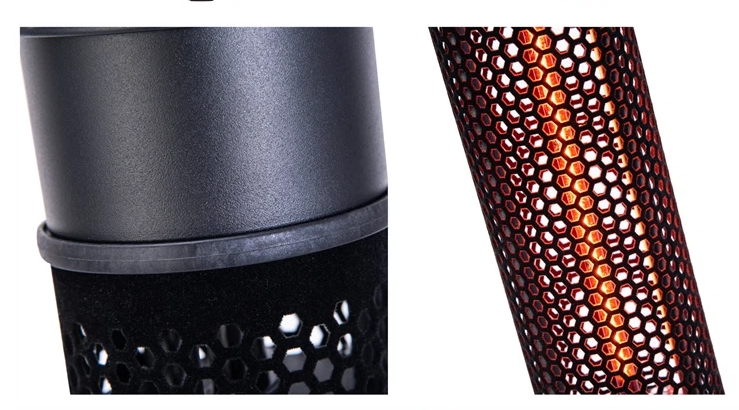
Most industrial heaters are wired as one big, clunky unit. If one tube goes, you have to tear down the whole thing. It’s a mess. We decided to treat the infrared modules like drop-in replacements. If a heating element finally gives up after five years of hard work, you don’t have to touch the wiring in the chassis. You just pull the dead module out and slide a new one in. It turns a multi-hour headache into a few minutes of work. Plus, you aren’t messing with the main IP55 seals every time a lamp dies, which means the waterproof seal actually stays waterproof.
The Trade-offs (And How We Handled Them)
Keeping that IP55 rating means tight gaskets and sealed cable entries. The downside? It can create a heat trap. Since we use shortwave infrared, the heat shoots forward instead of soaking into the housing. It works well, but you still need to make sure your airflow is right. If the air around the housing gets too hot, your electrical connectors will wear out faster. To stop the sockets from warping under all that heat, we use high-temp ceramics. They just hold up better.
Real-World Shop Talk
When you’re on a factory floor, you don’t have time for a “complex teardown.” You just want the machine running. With this modular setup, the tech only touches the part that’s actually broken. No soldering. No re-sealing the whole table. Just a quick swap and you’re back in business. It stops that annoying “maintenance creep” where a simple lamp change somehow turns into a full-day machine overhaul.