Getting the Perfect Crust: Why IR Heat is the Secret
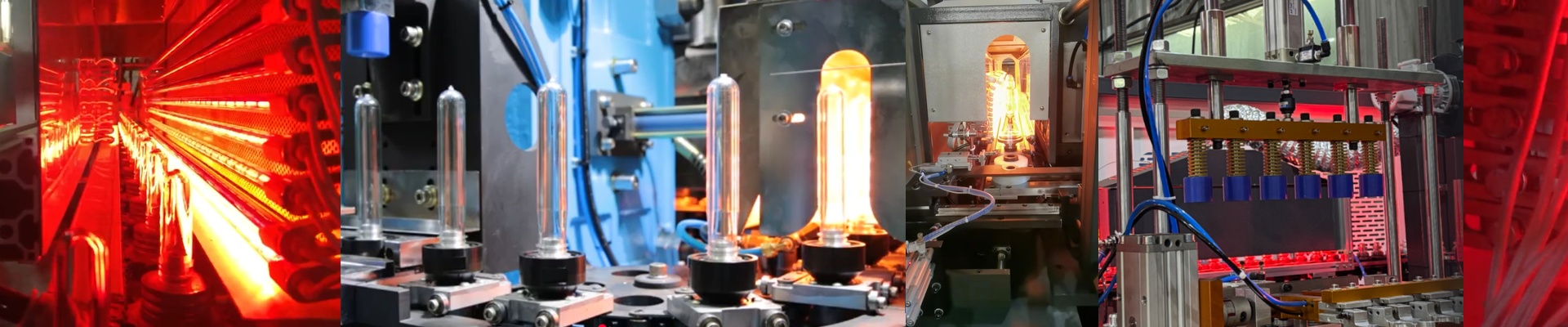
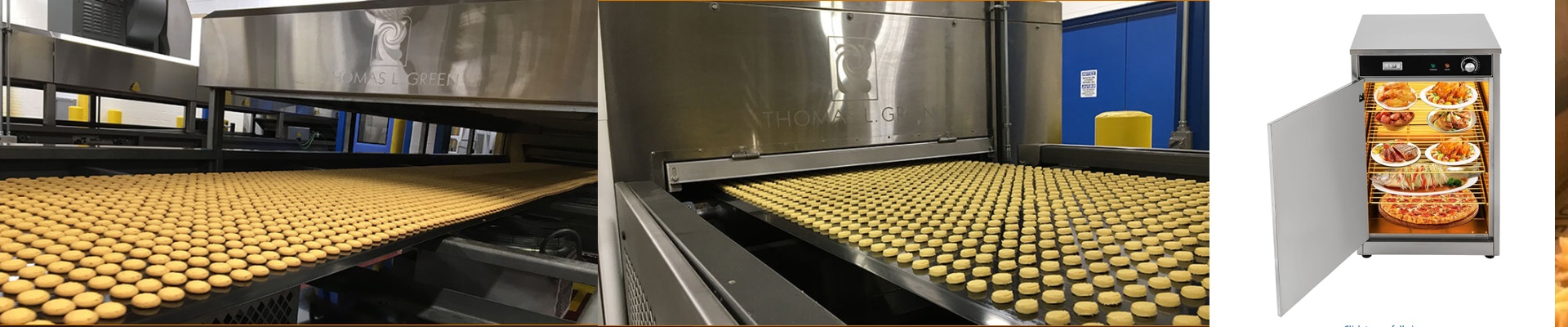
Standard convection ovens are great for cooking the inside of a loaf, but they often struggle with the finish. Relying on air circulation alone just doesn’t give you that punch of heat needed to trigger the Maillard reaction—that magic moment when the crust turns golden brown. That’s where short-wave infrared (IR) heaters come in. Instead of waiting for the air to warm up, these lamps shoot radiative energy straight into the dough. It’s instant.
Timing is Everything
Getting the crust right is a balancing act. You’re working with a tiny temperature window. If the heat is too slow, your bread comes out pale and dry. Too slow to turn off? You’ve got burnt edges. We handle this with “second-level” switching. Basically, your PLC can pulse the heat in real-time based on what the sensors are seeing. It stops the oven from overshooting the mark, so you get a consistent brown every single time without the guesswork.
The Nitty-Gritty on Heat
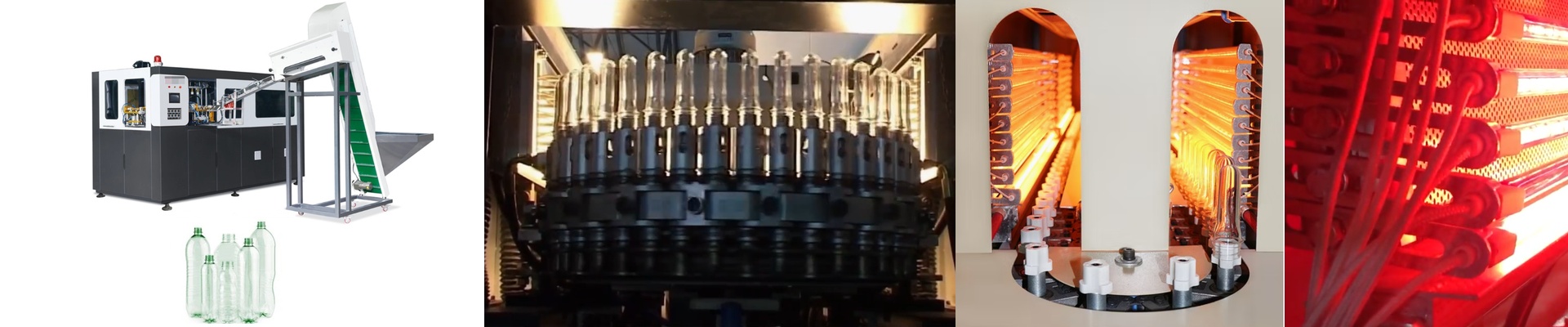
To actually get that color, we use high-wattage quartz tubes. You need enough energy density to punch through the surface moisture without drying out the soft center of the bread. One practical tip: make sure your voltage matches your plant’s grid—usually 230V or 400V. If you don’t, you’ll deal with voltage drops over long wire runs, and your heat will suffer. The quartz envelope is the real hero here. It lets the IR waves slide right through, pushing the heat into the bread rather than wasting it by heating up the oven walls.
Setting it Up (and What to Watch For)
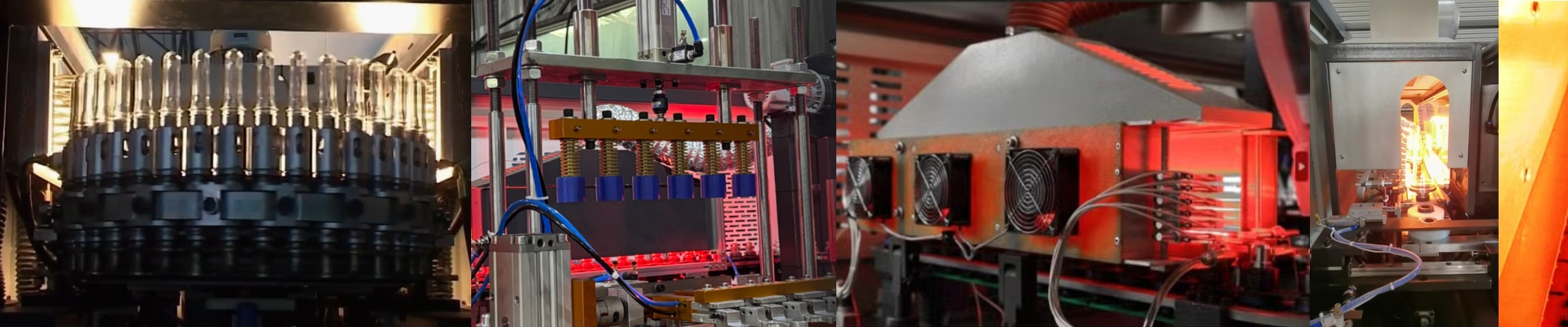
These units usually drop right into the spot where your standard heating elements lived. But keep in mind, this kind of heat density is intense. The housing takes a beating. Make sure your reflectors are polished aluminum or gold-coated. If they aren’t, you’re losing heat that should be bouncing back onto the bread. And a word of caution: these lamps runhot. If your cooling fans aren’t up to the task, you’ll end up with warped brackets or fried wiring. Keep your tolerances tight, and you’ll be fine.