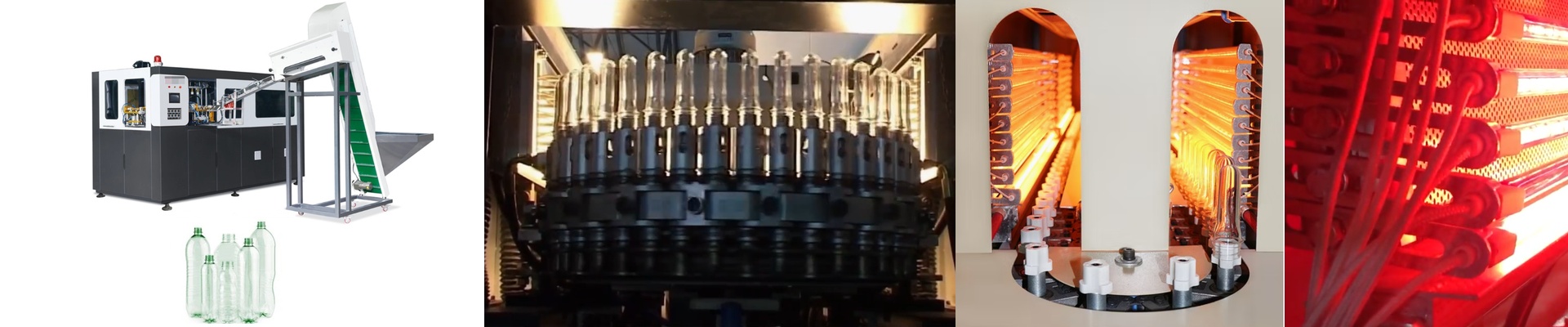
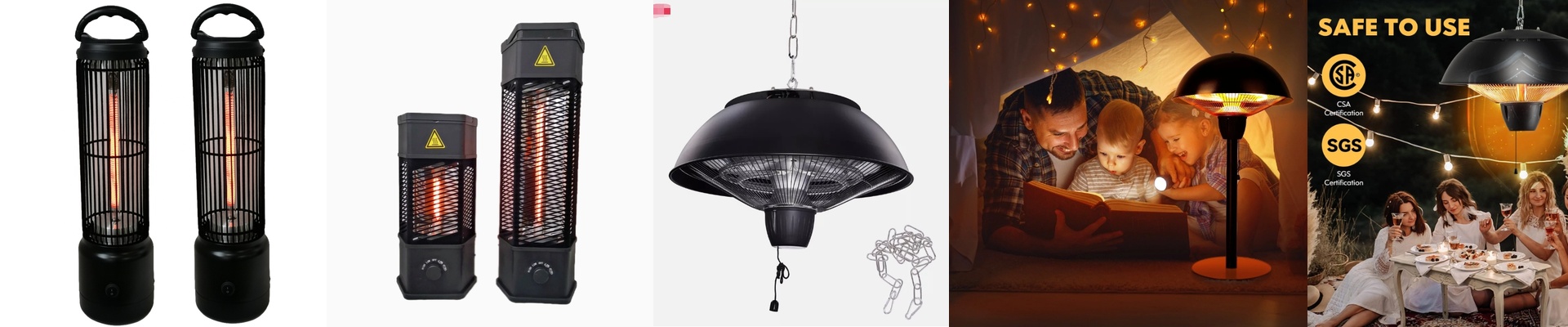
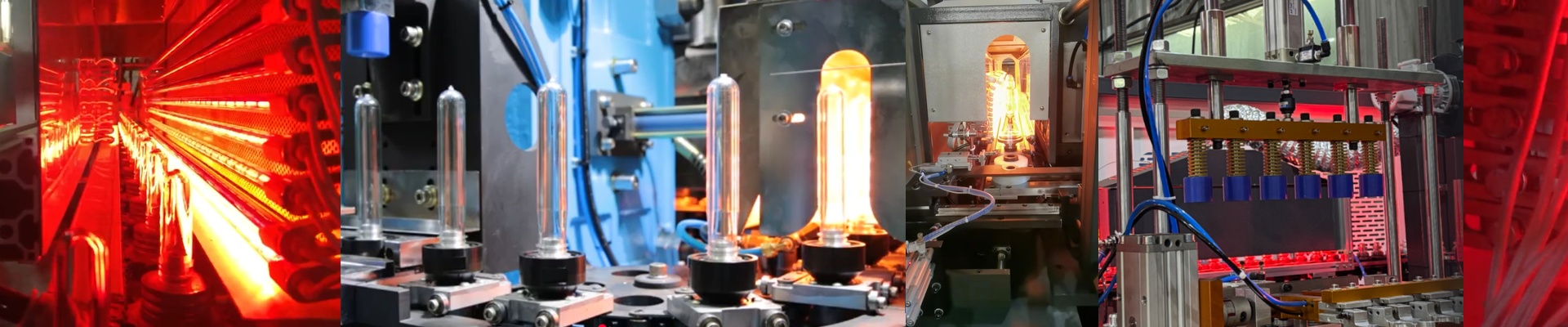
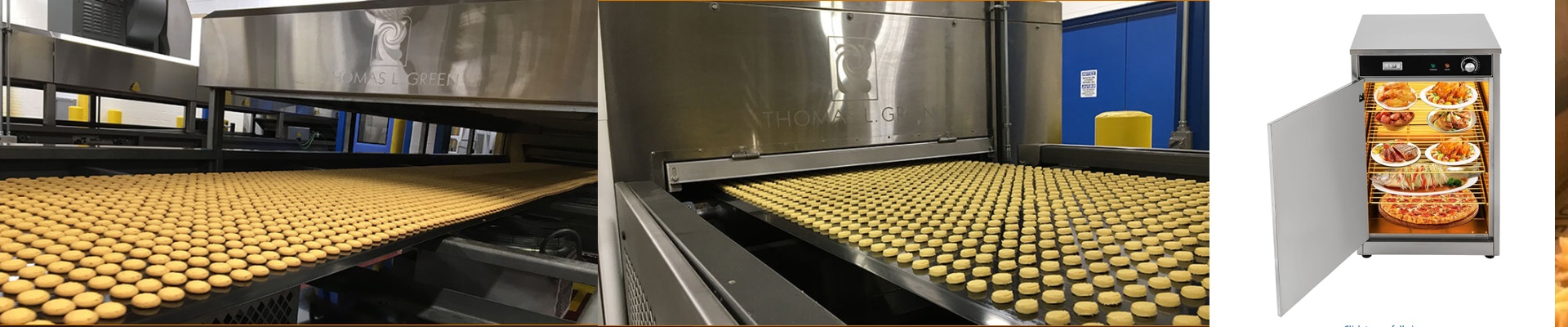
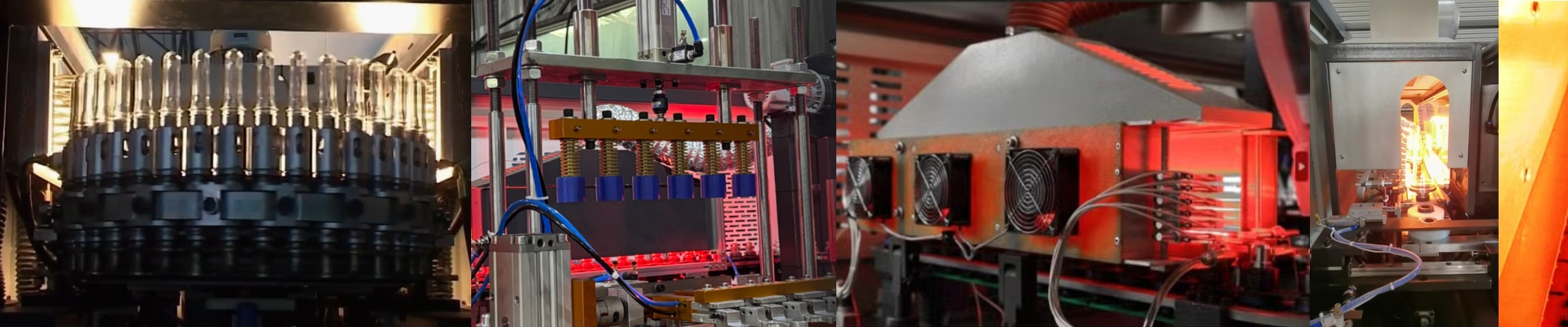

Ever tried cooking a thick piece of meat in a convection oven? It’s a gamble. Half the time, you end up with a charred, burnt crust on the outside while the middle is still practically raw. It’s frustrating. To fix this, we stopped relying on just hot air and started using high-power infrared (IR) heating tubes paired with tight PID temperature control. Here is why that actually works. Standard convection is basically just blowing hot air around, and air is honestly a pretty terrible conductor. That’s why we use short-wave infrared. Instead of just heating the skin and hoping the heat crawls its way to the center, IR radiation pushes deeper into the protein. It makes the water molecules inside the meat vibrate. The result? The middle catches up to the surface much faster. No more “burnt on the outside, cold on the inside” disasters. But you can’t just throw some heaters in and call it a day. You need serious power density to get these tubes moving, but that comes with a risk: overshoot. If your system is too slow to react, you’ll torch your dinner. That’s where the precision comes in. We use fast-sampling thermocouples and PID controllers to manage the duty cycle. It keeps the oven steady within about ±1°C. It’s a tight leash, but it’s the only way to keep things stable. Of course, there’s a trade-off. These IR tubes put out a massive amount of heat. If you don’t have the right insulation or a beefy exhaust fan, the oven just becomes a sauna. Once that ambient heat builds up too much, you actually lose that deep IR penetration we’re looking for. You have to find that sweet spot between how much heat the tubes pump out and how fast the air moves. One last tip: use high-temp leads for your wiring. If you don’t, the insulation near the tube ends will just melt. Get that right, and you get a perfect, uniform cook from the crust all the way to the center.