Stop Fighting Your Steam Oven’s Hot Spots
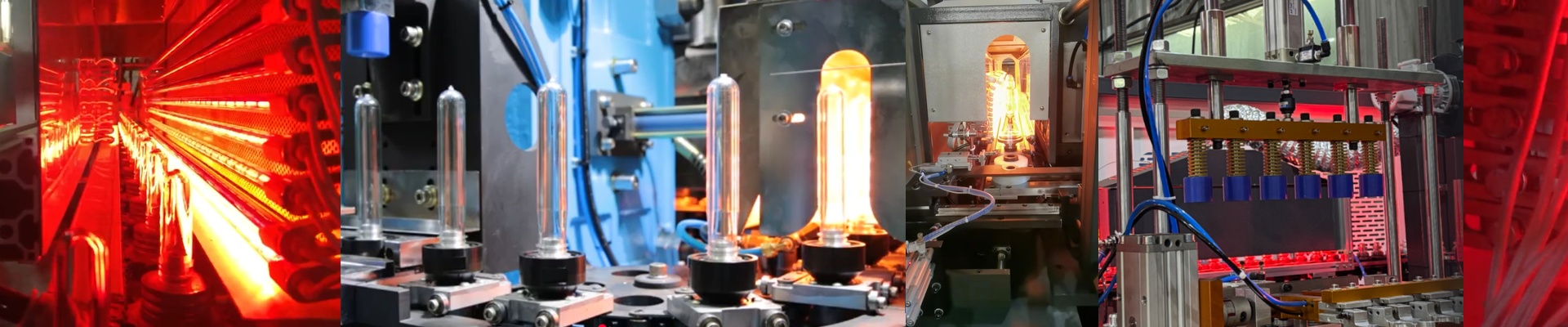
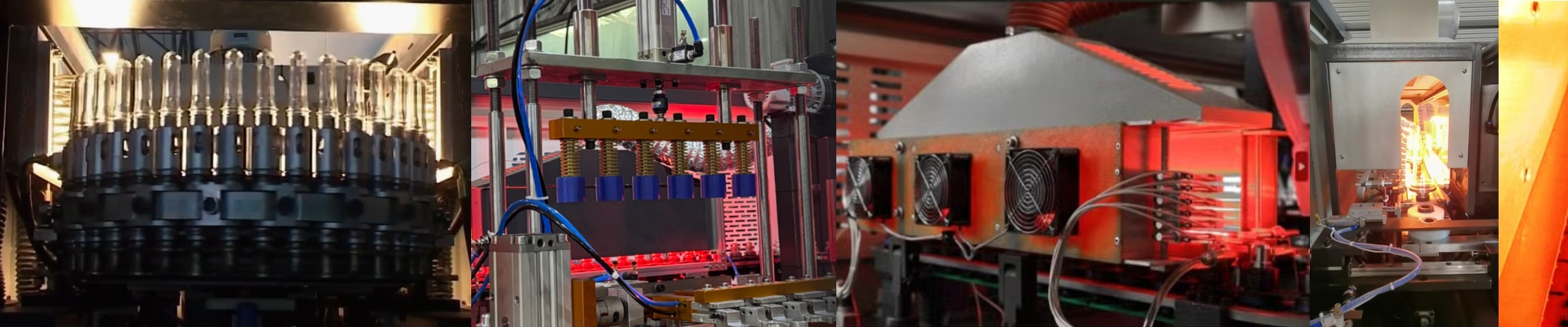
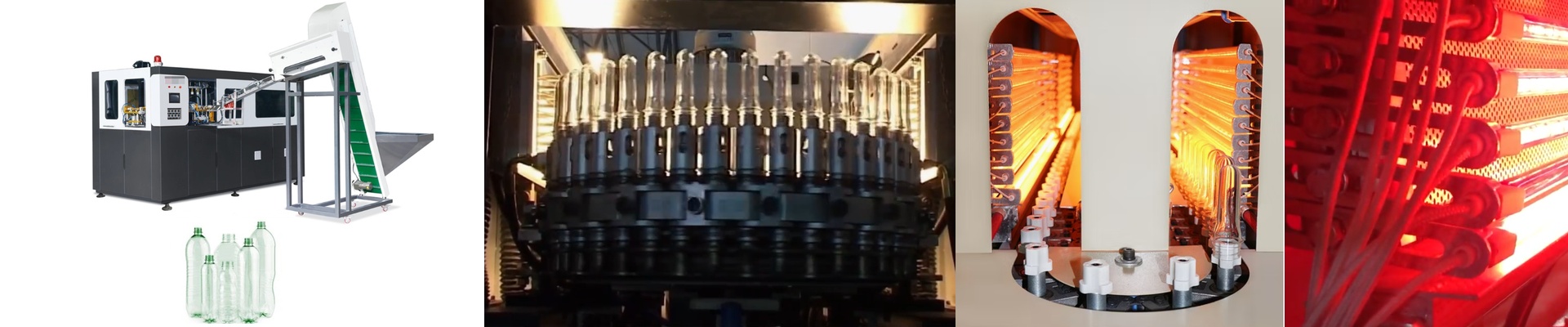
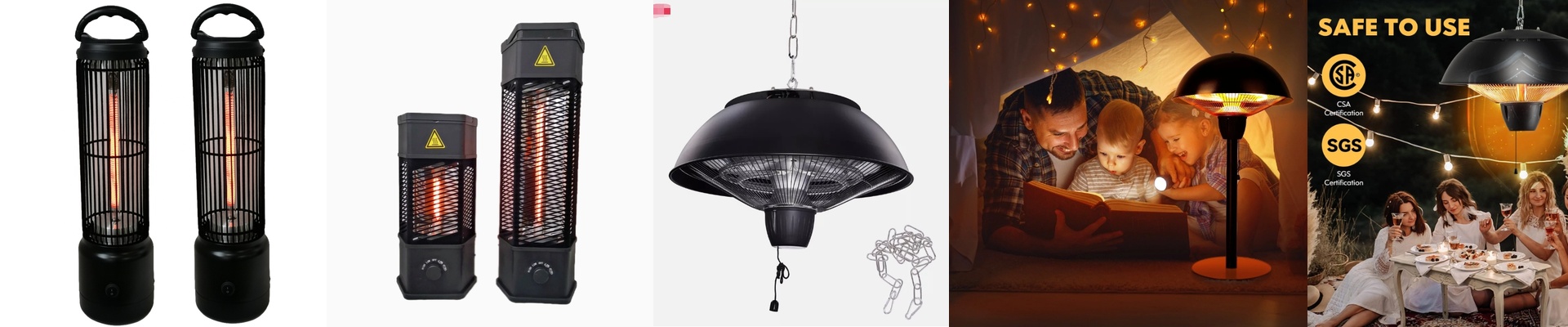
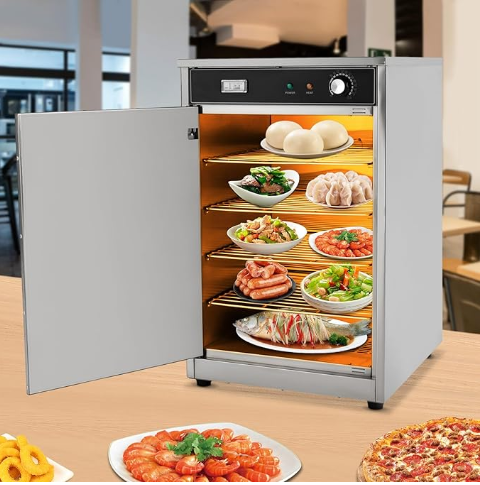
If you’ve ever pulled a tray of food out of a multi-layer steam oven only to find the top rack is charred and the bottom is basically raw, you know exactly how frustrating this is. Convection just doesn’t cut it. It’s like trying to heat a whole house with one space heater in the hallway—some rooms are freezing, and others are stifling. We decided to stop fighting the air and start focusing on the food. That’s why we swapped out those old-school heating elements for ruby infrared heater tubes. Giving every shelf its own brain The real headache is the temperature gradient. To kill that problem, we give every single layer its own dedicated infrared lamp. Here’s the thing: unlike a big central coil that just heats the air, infrared radiation hits the food directly. We pair each lamp with its own PID controller and thermocouple. This means you get total control. If the top shelf is getting too aggressive, you just dial back the power to that specific tube. The rest of the oven keeps humming along perfectly, undisturbed. Why Ruby Quartz? We use ruby-coated quartz tubes because they’re built for this. The ruby coating changes how the heat behaves, helping it punch through all that thick steam and moisture. Plus, they’re incredibly snappy. They don’t spend ten minutes “warming up”—they hit the target temperature almost instantly. That speed is what makes the precision possible. You aren’t guessing; you’re controlling. A few things to watch out for Now, this isn’t a “plug and play” magic trick. There are some real-world trade-offs. High-density infrared heating puts a lot of pressure on your wiring. If your connectors aren’t rated for the peak current, things will burn out. Fast. And you have to be smart about where you put your sensors. If you’re measuring the air, you’re lying to yourself. You need to measure the actual product temperature. If the sensors are off, you could scorch your food before the controller even realizes there’s a spike. One last tip: leave enough breathing room between the tube and the rack. Space is your friend here; otherwise, you’re just creating new hotspots.