
Stop Overpaying for Fancy Bread Ovens
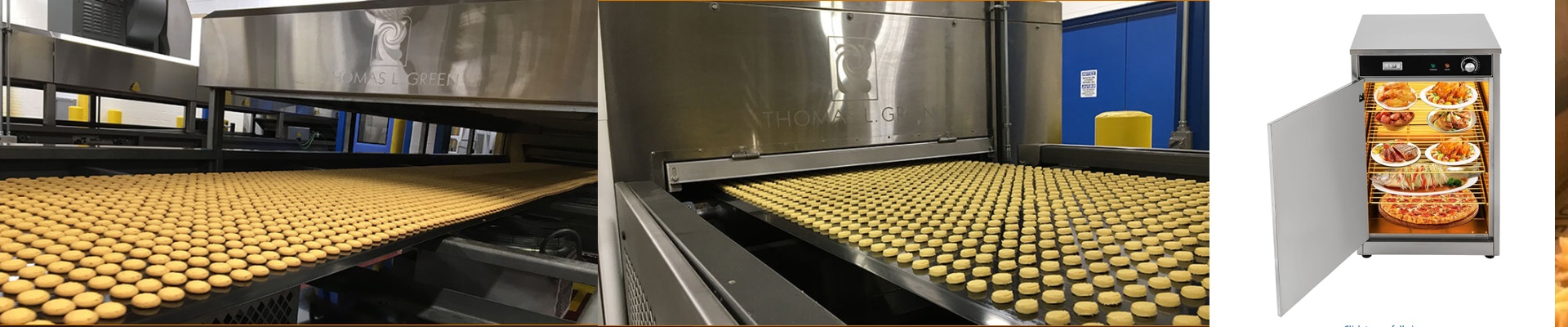
Let’s be honest: a lot of bakery owners get talked into buying those insanely expensive imported ovens. They think they’re paying for “quality,” but usually, they’re just paying for a brand name. The real magic isn’t in the oven’s shell—it’s in how you actually heat the bread. We’ve found a better way. Instead of sticking with old-school metal tubes or those pricey ceramic heaters, we use carbon fiber infrared (IR) technology. It’s a simple swap that lets you hit those perfect bake temperatures without draining your bank account on a luxury label.
How it actually works
Here is the thing about carbon fiber: it doesn’t just blow hot air around the oven. We weave carbon filaments into a composite that shoots out short-to-medium wave infrared radiation. Think of it like the sun on your skin. The heat goesstraight into the dough. The result? Your crust caramelizes faster, and you aren’t standing around waiting forever for the oven to warm up. It’s quick. Really quick.
Getting the setup right
When we’re figuring out the specs for a commercial kitchen, we look at wattage density. Because carbon fiber is so efficient, the elements can be smaller but still pack a massive punch of heat. You can wire them in parallel or series, depending on what your power setup looks like. One heads-up, though. These things heat up almost instantly. That’s great for your workflow, but it puts a sudden jump of pressure on your power supply. If you’re installing a whole array of these, just make sure your wiring and contactors can handle that initial “inrush” of current. You don’t want to burn out your electronics on day one.
The trade-off
So, what’s the catch? You’re saving a ton of money on the initial build because you’re paying for actual thermal output, not a logo. But carbon fiber is a bit more delicate than a heavy steel pipe. You can’t just bash into it. You’ll need to make sure your oven housing protects the lamps. Keep them safe from physical bumps and make sure dough or debris doesn’t splash directly onto the heating surface. A little bit of shielding goes a long way. It keeps the elements alive longer and means you aren’t spending your weekends doing maintenance.