Getting Heat Where It Actually Matters: Shortwave IR in Steam Ovens
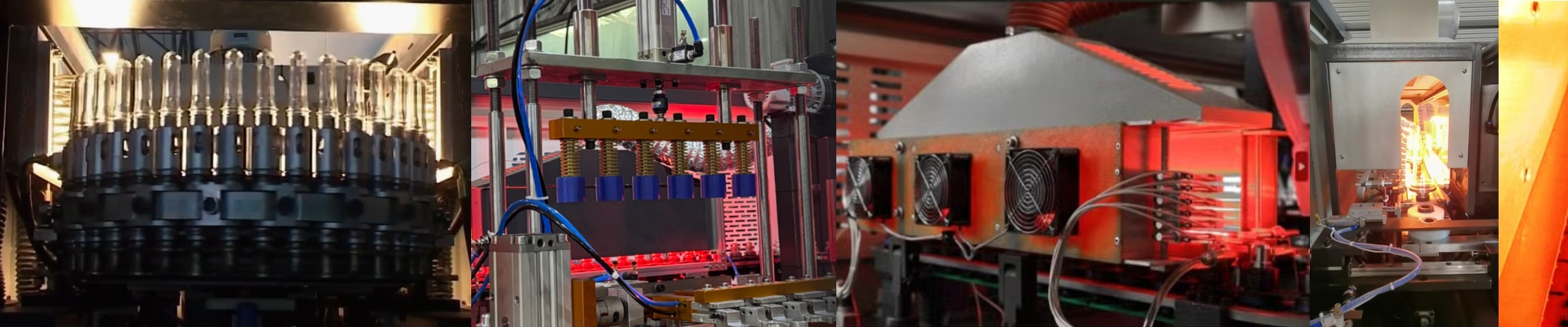
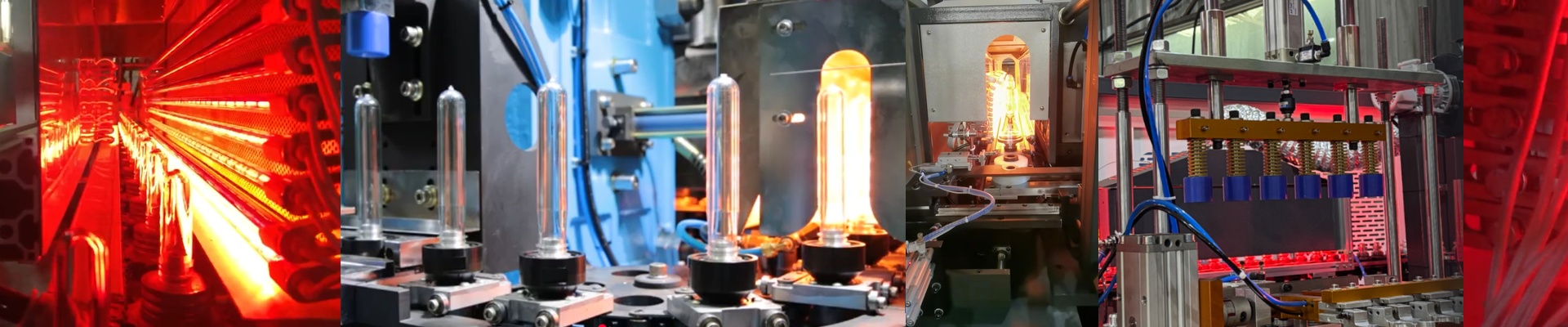
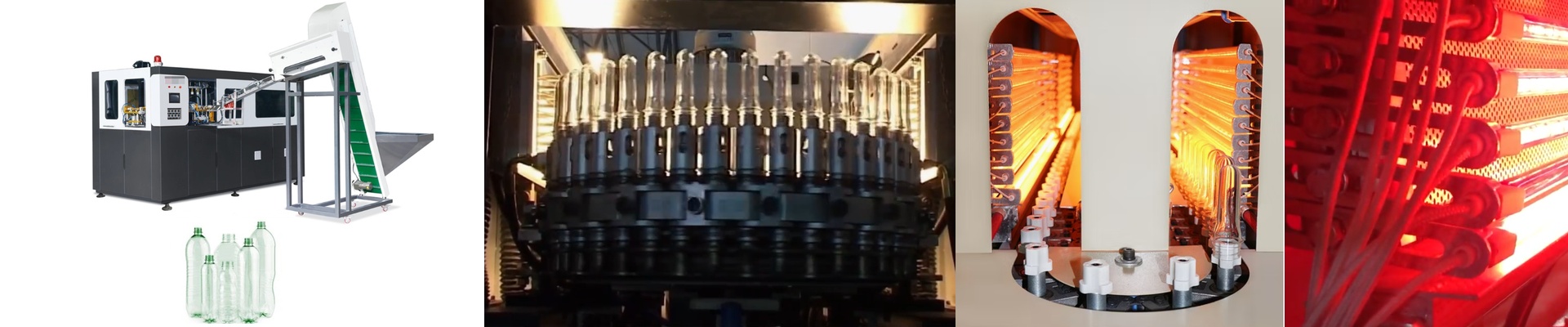
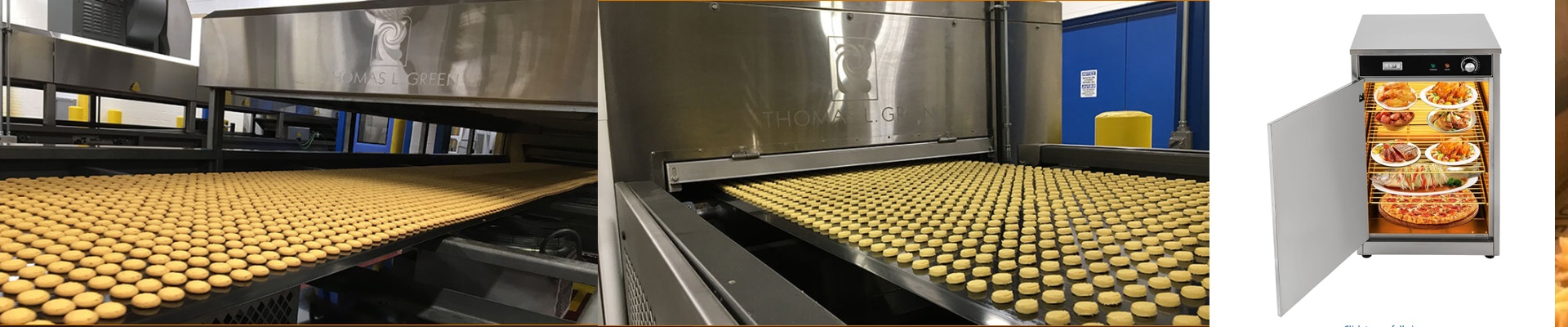
Most steam ovens just push hot air around. It works, sure, but it has a problem. When you’ve got a lot of moisture on the surface of your food, it creates this kind of “shield” that keeps the heat from getting inside. You end up with a center that’s barely warm and an outside that feels… well, boiled. That’s where shortwave IR lamps come in. Instead of fighting through that wall of steam, these lamps shoot energy right through the surface moisture. It hits the core of the food directly. The result? You get that perfect sear on the outside, but the middle is actually cooked. No more soggy textures. The gear side of things When we’re picking these lamps, it’s all about power density. We use high-wattage quartz tubes because they heat up almost instantly. If you’re running an industrial oven with fast cycles, you can’t afford to wait for a heating element to slowly warm up. Just a heads-up on the electricals: make sure your voltage matches your control board—usually 230V or 400V. If you don’t, you’ll deal with voltage drops across your wires, and nothing works the way it should. One big thing to remember: the quartz glass is tough, but it’s not invincible. If you flick the lamps on and off too fast without letting them cool down a bit, the glass can crack. Give them a second to breathe. Setting it up Installation is pretty straightforward. We use R7s or SK15 connectors, so they usually just slide right into most industrial racks. One pro tip: use high-temp wiring. Standard insulation will melt near the tube ends, and that’s a mess nobody wants to clean up. There is a trade-off, though. If you run these lamps at 100% all the time, the filaments burn out way faster. To make them last, we suggest pulsing the power using a PID controller. It’s a much smarter way to handle the heat. You keep the inside of the food hot without torching the outside, and your lamps will stay healthy for a lot longer.