Getting That Perfect Crust: Why We Use Fast-Response IR
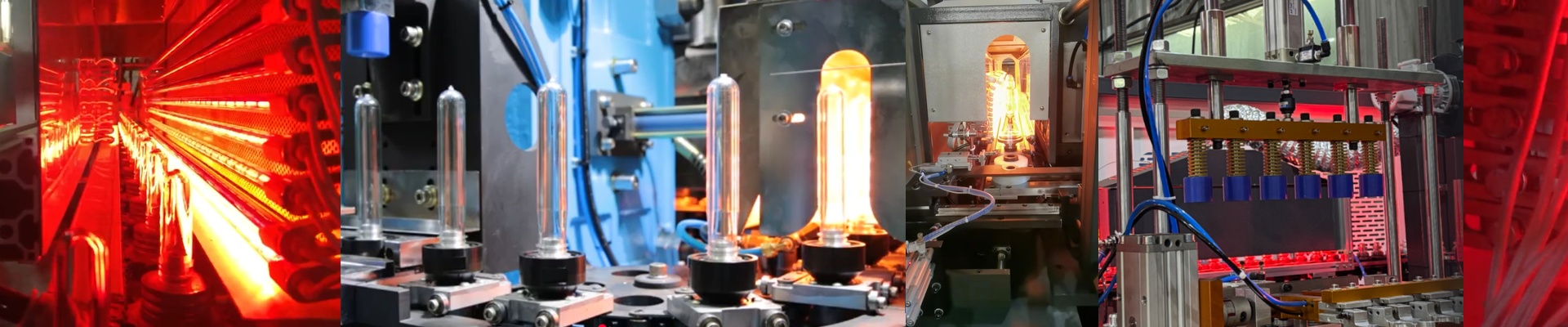
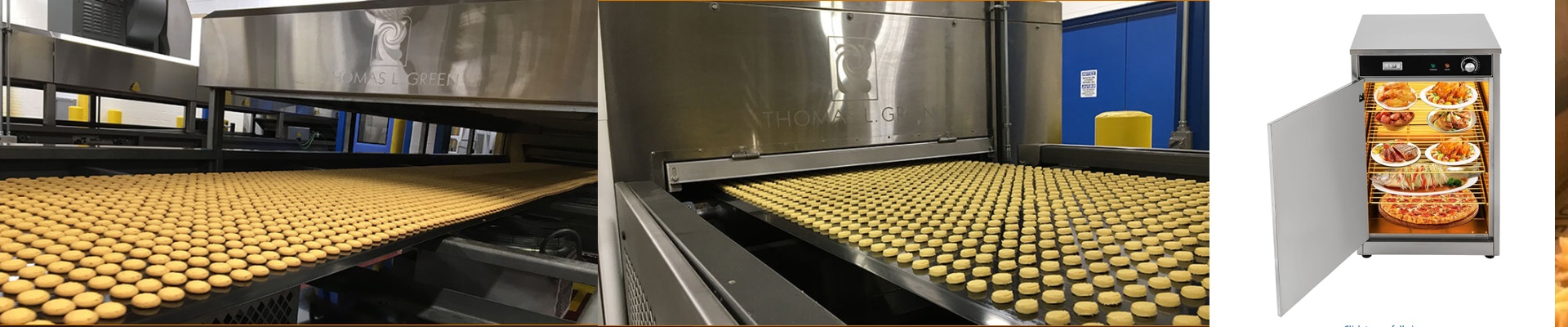
If you’ve ever tried to get a loaf of bread perfectly browned in a steam oven, you know the struggle. You want that deep, golden crust, but you don’t want to turn the inside of the bread into a crouton. The problem is that standard heaters are too slow. They lag. By the time they actually get hot enough to trigger the Maillard reaction (the magic that makes bread brown), they’ve often dried out the crumb. That’s why we switched to short-wave infrared (IR) elements. They hit the target temperature in seconds.Not minutes. Seconds.
How it actually works
We use halogen filaments wrapped in quartz glass. Here is the secret: traditional coils waste time heating up the air in the oven first. IR doesn’t bother with the air. It shoots energy directly onto the surface of the dough. It’s almost instant. Because there’s no “warm-up” period for the oven cavity, you can blast the surface of the bread to get that crisp shell while the inside stays moist and airy, even in a room full of steam.
The nitty-gritty stuff
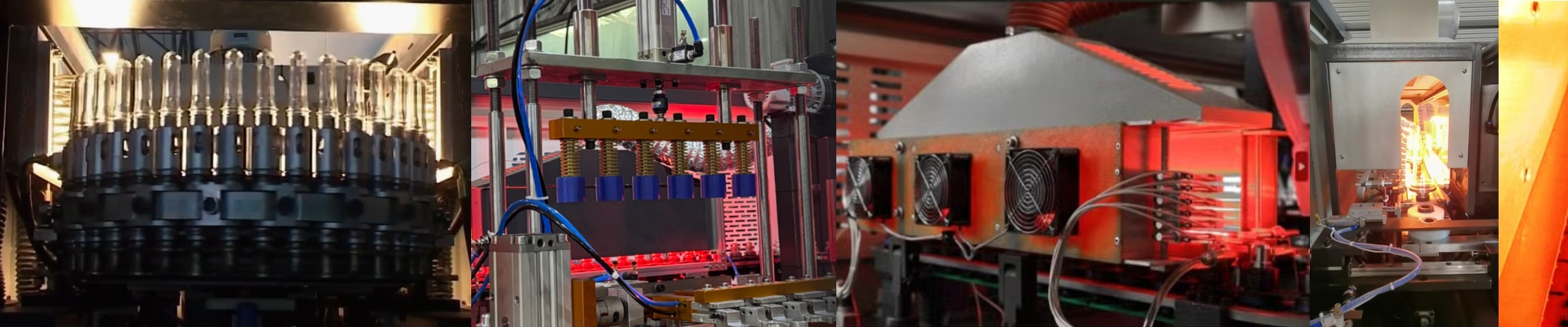
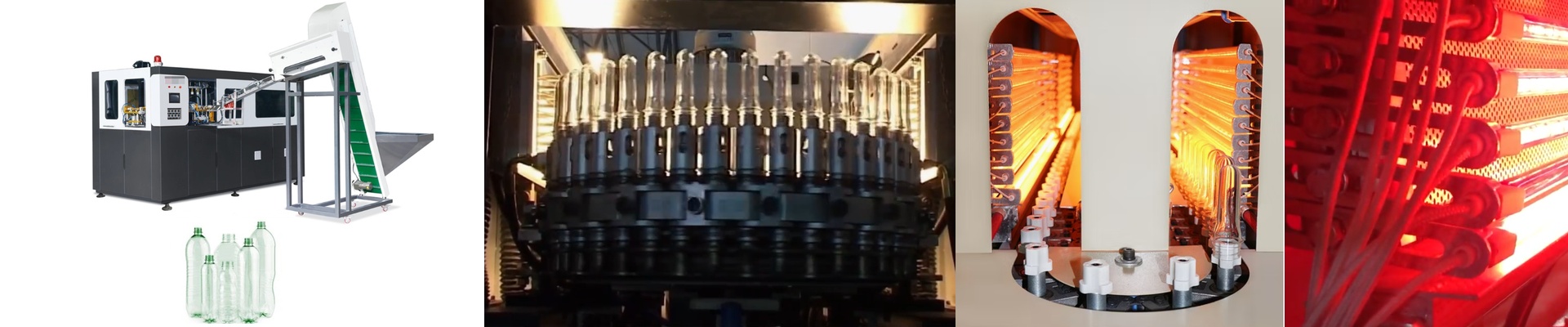
To keep the hardware small, we use tubes with really high wattage density. But you have to be careful with the power. If the voltage spikes, you’ll blow the filament. It’s that simple. We stick with R7s or Sk15 connectors. Why? Because when a lamp eventually goes out, you want to be able to pop a new one in quickly without tearing the whole machine apart. And we use quartz because it’s tough. It can go from room temperature to 600°C in a heartbeat without cracking. We even add special coatings to the glass. This stops the heat from just bouncing off the steam and forces it to sink into the crust.
The trade-offs
Now, this kind of power comes with a catch. These elements getinsanelyhot in one spot. If your venting is off or your reflectors are crooked, you’re asking for trouble. You could warp the chassis or fry your sensors. You really have to make sure your cooling system can handle the heat soak around the sockets, or the whole thing will just cook itself.