
Stop Replacing Your Bakery Oven IR Emitters Every Two Weeks
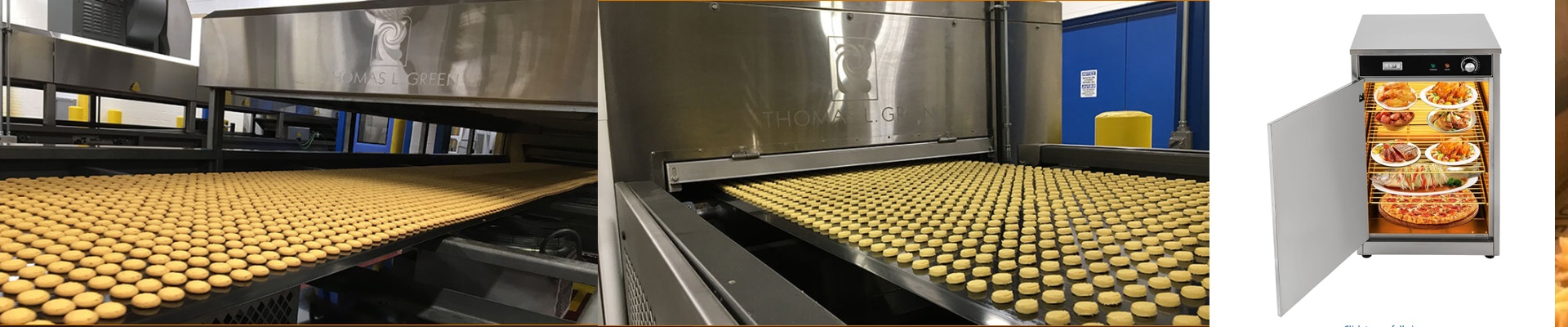
Bakery rotary ovens are absolute workhorses. But when you’re running them for 10 hours a day, those IR emitters take a beating. Between the constant heating and cooling and the layer of flour dust that settles on everything, it’s a brutal environment. There is nothing more frustrating than installing a new lamp only to have it burn out fourteen days later. You just want something that works and stays working.
The Secret is in the Details
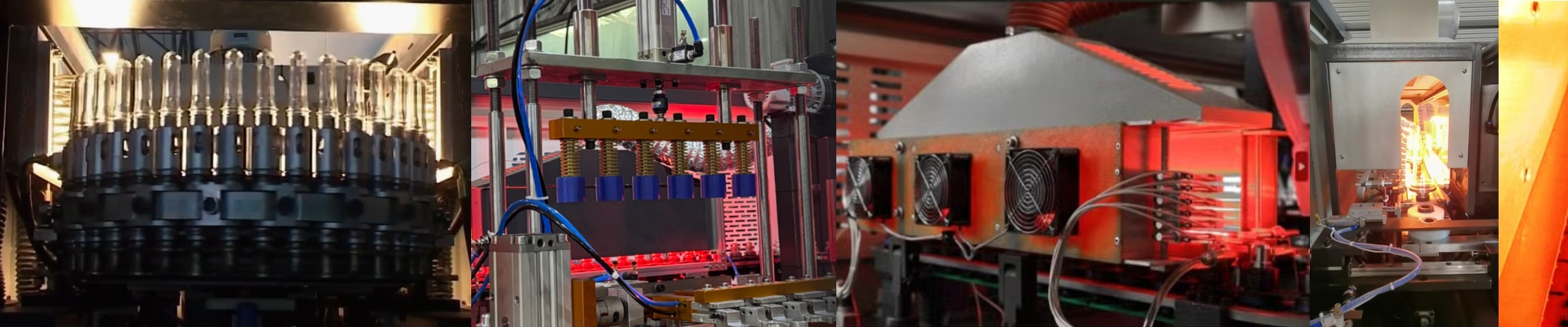
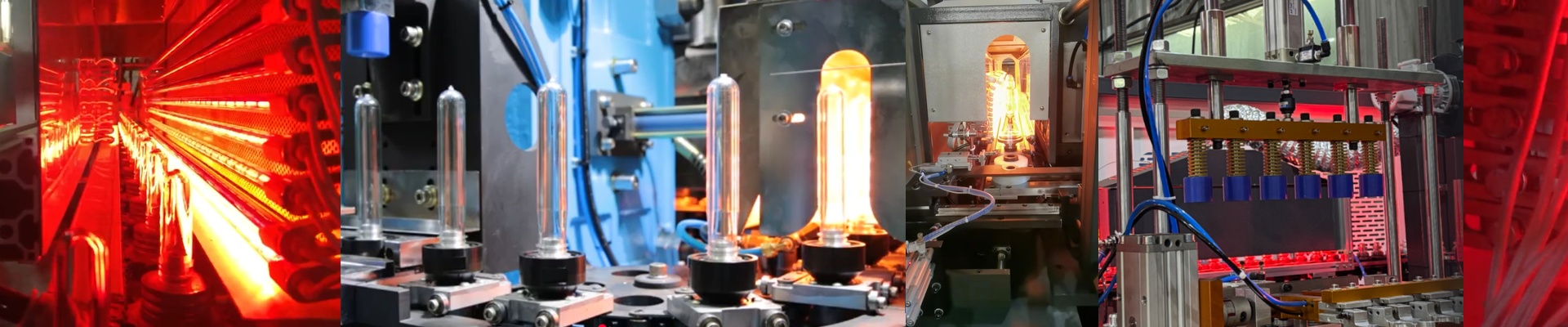
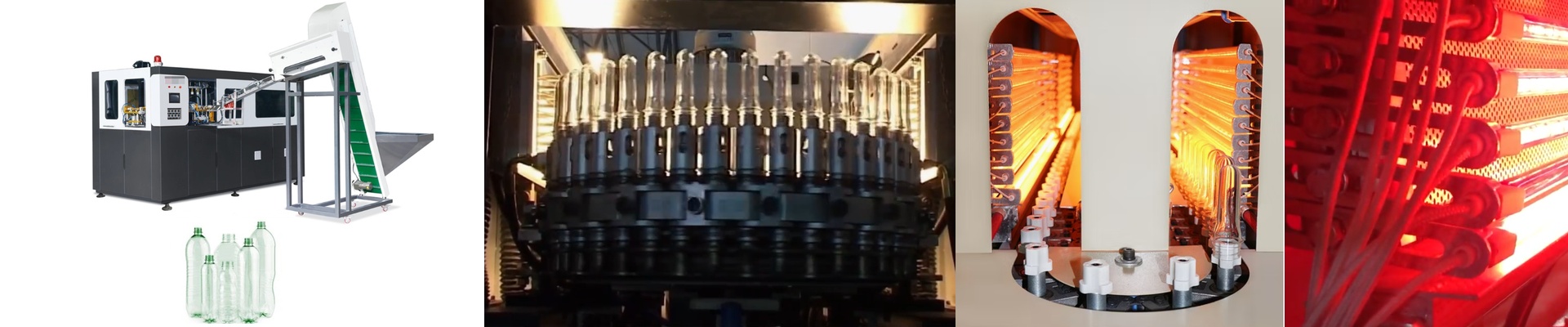
We build our quartz IR lamps to handle the heavy lifting—getting that perfect crust and making sure the core of the bread is actually cooked. Here’s the thing: the quartz has to be high-purity. If it isn’t, the glass clouds over way too fast. And in a rotary oven, the lamp isn’t just heating the dough; it’s fighting against the heat already trapped in the chamber. It’s a constant battle. We’ve also focused on the tungsten filament. If the tolerance is off by even a few microns, you get hot spots. And hot spots are basically death sentences for a lamp. By keeping those tolerances tight, the heat spreads evenly across the whole tube. No spikes, no premature failures.
Dealing With the Stress
Running a bakery is stressful, and your hardware feels it too. The electrodes take the most heat. To fix this, we use reinforced sealing. Why? Because gas leaks are usually what kill a lamp. A tight seal keeps the halogen cycle moving, which means the tungsten redeposits back onto the filament instead of sticking to the glass and ruining the heat output. Now, a quick reality check: you can get the same lifespan from a domestic tube as you can from a fancy premium brand, but only if your power is stable. If your grid is spiking and dipping, no lamp in the world is going to survive for long.
Getting It Installed
These are simple drop-in replacements. You pull the old one out, slide the new one in, wire it up, and you’re back in business. One thing to keep in mind: high-wattage tubes are great for fast turnover, but they put more pressure on your oven’s electrical contactors. Just double-check that your wiring can handle the current. You don’t want to be dealing with melted terminals in the middle of a morning rush.