
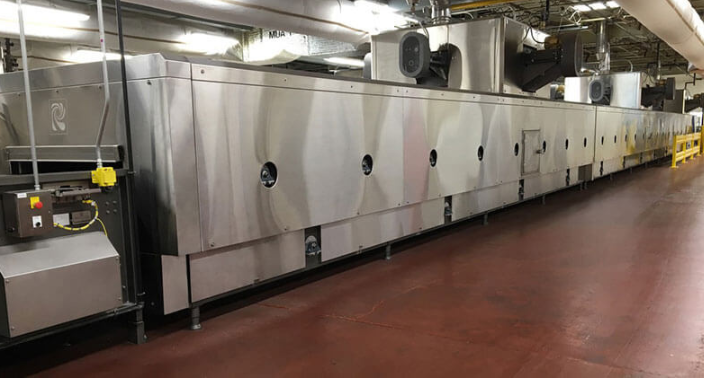
Stop Waiting on Your Oven to Catch Up
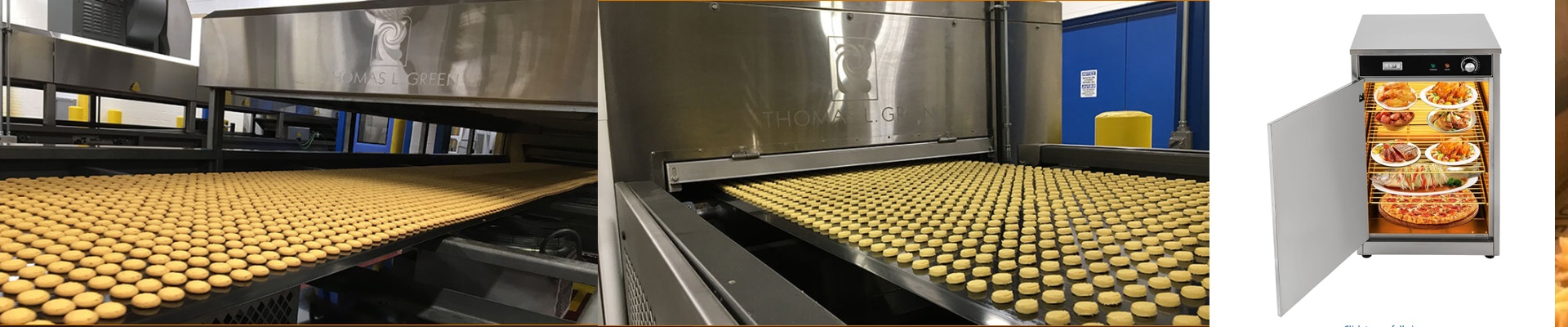
If you’ve ever run a busy bakery, you know that feeling of staring at the oven, just waiting for the temperature to climb back up after you’ve slid in a fresh batch of trays. It’s frustrating. That lag—that slow crawl back to heat—is basically a productivity killer. That’s why we use short-wave infrared (IR) heating tubes. They get rid of the waiting game.
How it actually works
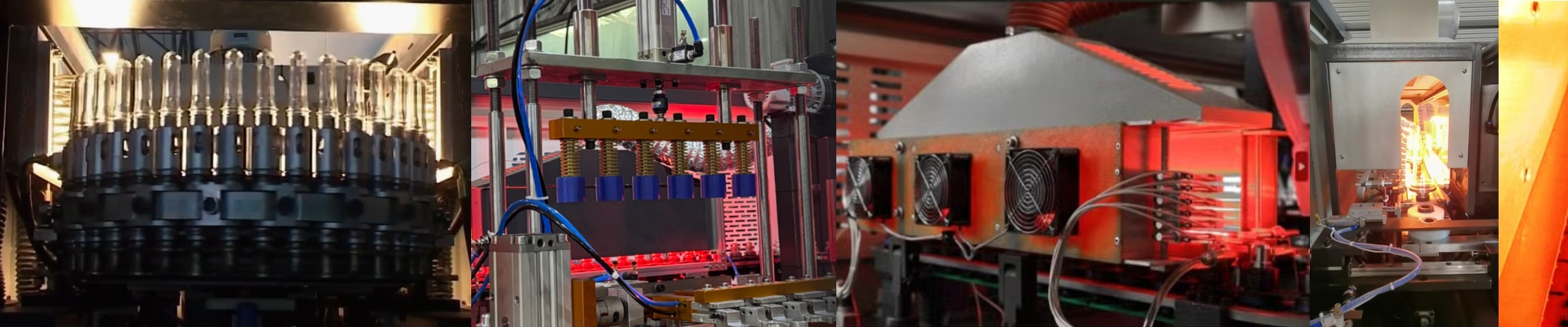
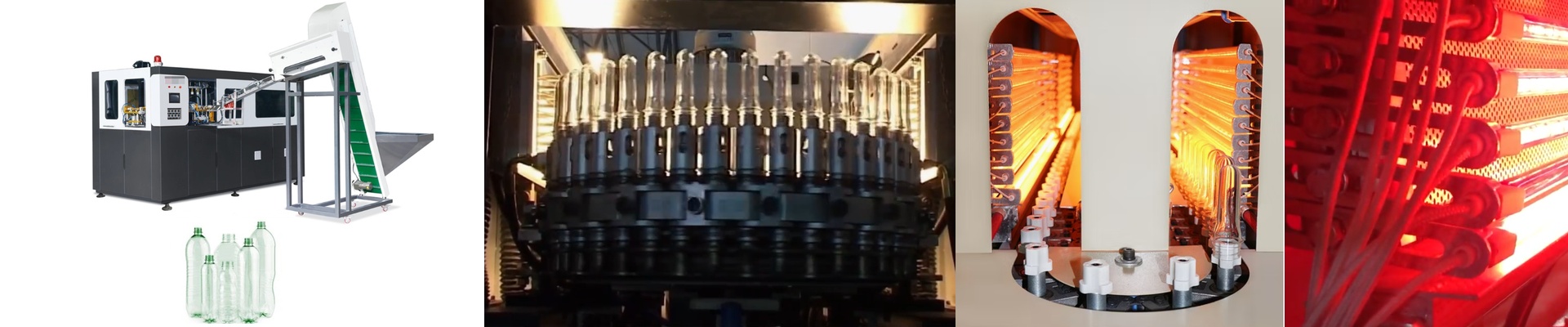
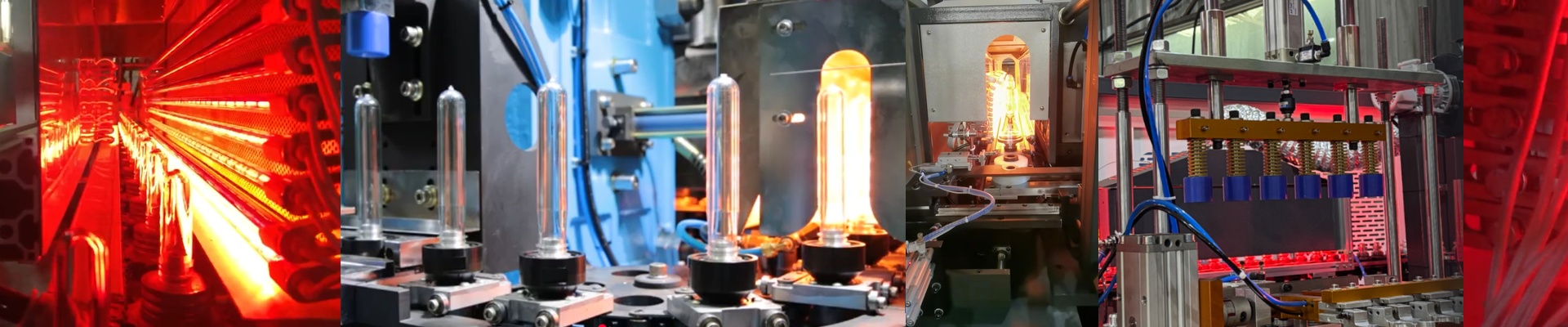
Most ovens work by heating the air, and then the air heats the food. It’s a slow process. IR tubes do things differently. They send electromagnetic radiation straight into the product. Think of it like stepping into the sun on a cold day. You don’t wait for the air around you to warm up; you feel the heat on your skin instantly. Because the heat hits the dough directly, you can tighten up your whole production schedule. You aren’t wasting energy heating up the oven walls—you’re putting that power exactly where it needs to go.
The gear under the hood
These tubes use a quartz envelope filled with halogen gas. It sounds technical, but here’s why it matters: the halogen keeps the filament from burning out too quickly, even when it’s running at extreme temperatures. We make sure they have a high-wattage output so your kitchen keeps its rhythm. And when one finally does burn out? It’s not a disaster. Most of these use R7s or Sk15 connectors. They’re basically “plug and play.” You can swap a dead tube in a couple of minutes and get back to baking without having to rewire the whole machine.
A few things to watch out for
Now, this kind of heat is aggressive. Since it works so fast, a few seconds can be the difference between a perfect crust and a burnt mess. You’ll need to be really precise with your timers and conveyor speeds. One more tip: keep your reflectors polished. If they get cloudy or oxidized, they stop bouncing the heat back toward the food. That forces your tubes to work harder and run hotter than they should, which just wears them out faster. Keep them shiny, and your oven will thank you.