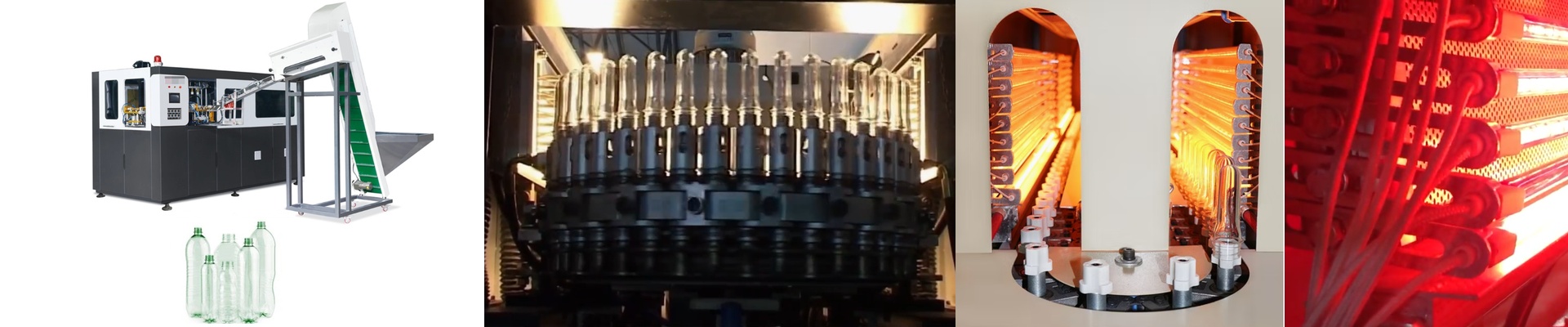
Fixing the Heat Headache in KHS Blow Molding
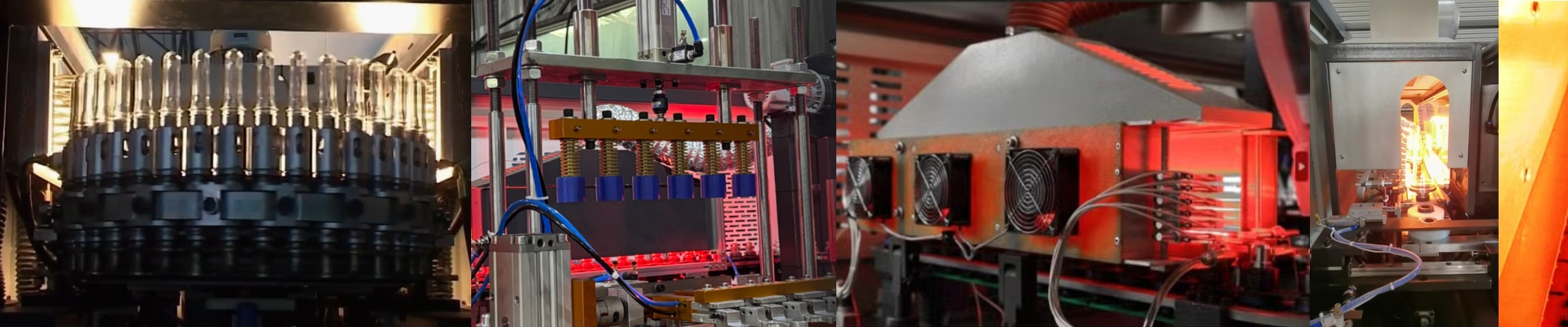
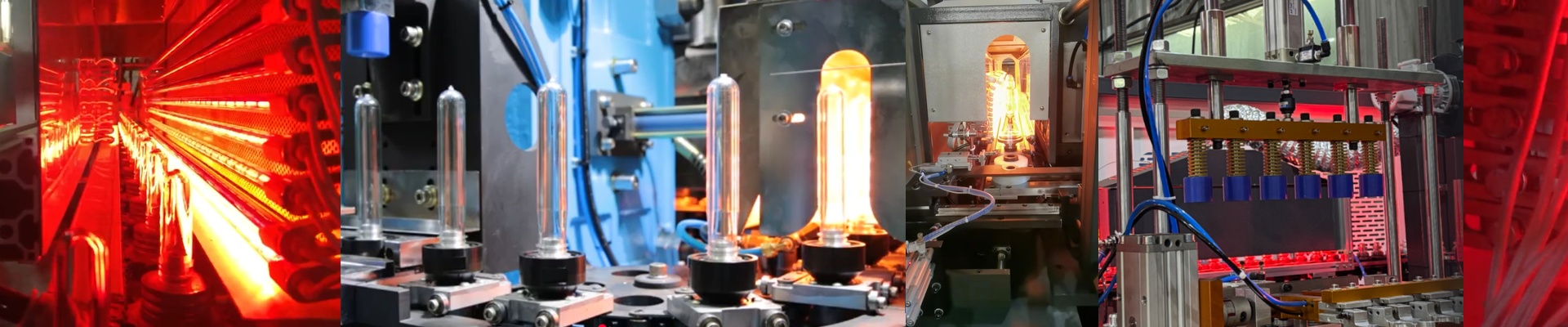
Ever deal with those annoying PET bottles that come out with weird wall thickness or that cloudy, pearlescent look? It’s frustrating. Usually, it comes down to one thing: your heat field is a mess. When the heat isn’t uniform, the preform doesn’t stretch the way it should. I’ve talked to plenty of plant managers who think they’re stuck buying expensive OEM lamps just to keep things running. But here’s a secret—high-end local quartz lamps can actually do the job better. They focus on the actual thermal footprint, not just a brand name. The science of it (without the textbook) Getting a steady heat field is all about the balance between wattage and voltage across the tube. We build our lamps to kill off those “cold spots” at the ends. We do this by adjusting how the filament is wound, making sure the infrared radiation hits evenly. It’s a delicate balance. Go too high on the wattage for the length of the tube, and you’ll burn through your filaments way too fast. Go too low? Your cycle times start dragging, and that’s money leaving the building. Fitting them in We use high-purity quartz glass because it lets the IR transmission through without any fuss. The best part? These are drop-in replacements. The dimensions and connectors match your KHS sockets exactly. You just pop them in. No rewiring, no headaches, no “custom” modifications. We also pay a lot of attention to how the quartz expands when it gets hot, so you don’t have to worry about the tubes cracking under pressure. A few things to watch out for High-density IR lamps pack a punch, which is great for fast cycles. But they also put out a lot of ambient heat. If your cooling fans are clogged with dust, you’re asking for trouble. That heat soaks back into the lamp housing and kills the quartz. And please, keep your reflectors polished. A dirty reflector can waste 20% of your energy. It doesn’t matter how great the lamp is—if the reflector is filthy, your heat distribution is going to be shot.