Stop Fighting Your SIG Blomax Heating Lamps
If you’re running SIG Blomax lines, you know the frustration of lamps burning out when you least expect it. It’s a pain. Every time a tube pops, you aren’t just swapping a part—you’re killing your cycle time and dealing with preforms that aren’t heating evenly. Usually, it comes down to a few things: weak quartz or heat that just isn’t spreading the way it should.
Why these lamps actually last
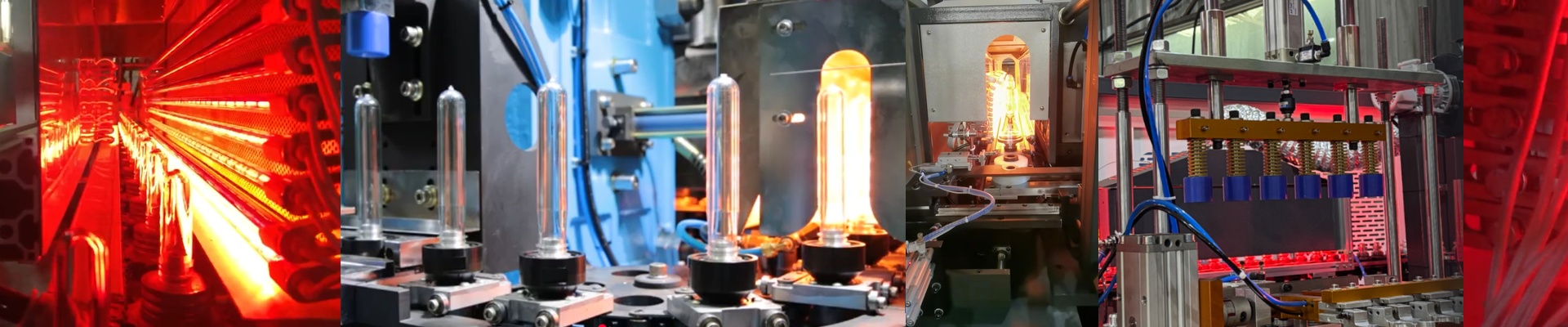
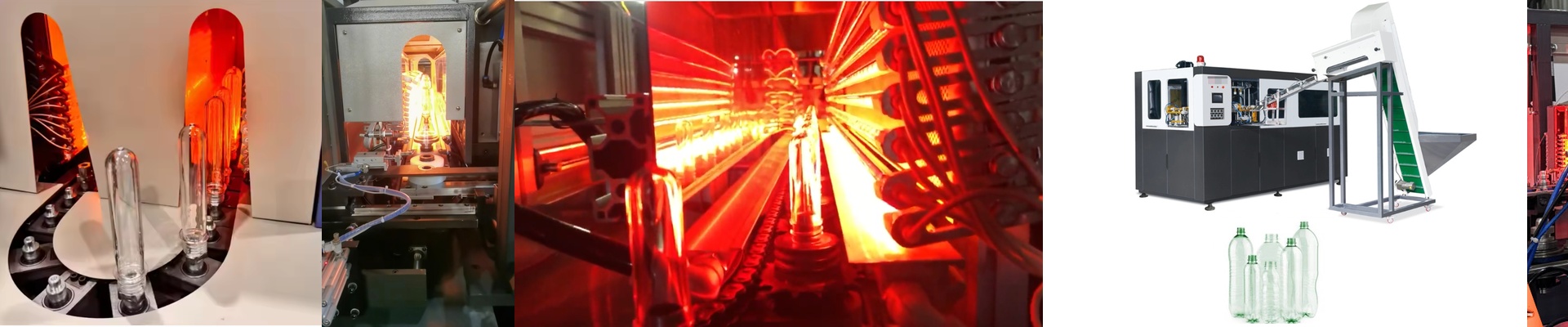
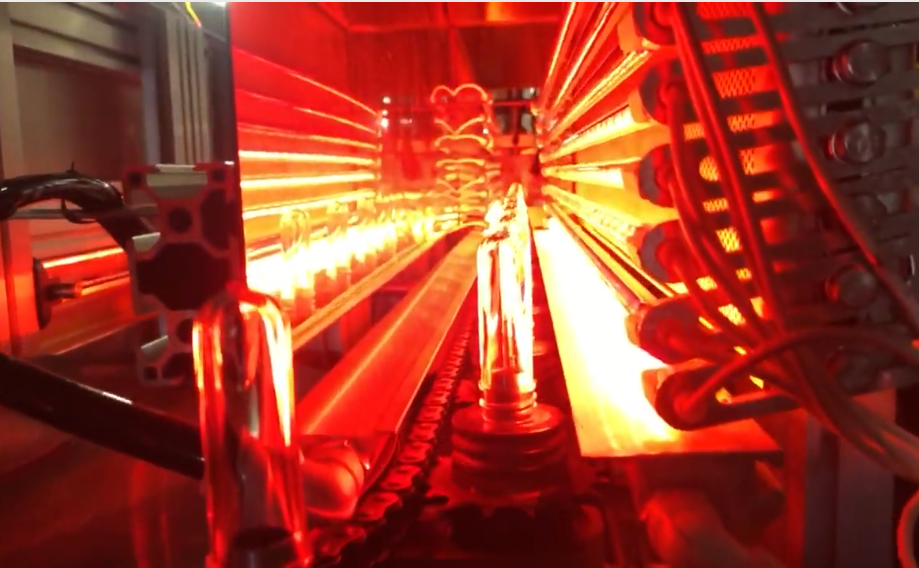
We looked at why the standard tubes fail. Most of the time, they give out at the pinch seal or where the electrode hits the glass because they can’t handle the constant expanding and contracting. So, we changed the recipe. We used a tougher grade of quartz and beefed up the overall build. The result? A replacement lamp that can take a beating and still keep humming along. We also use short-wave infrared. This means the heat sinks deep into the PET preform quickly, rather than just scorching the surface. Plus, we kept the voltage tolerances tight. That stops those nasty current spikes that usually blow a filament the second you flip the switch.
Getting them into your line
The best part is that you don’t have to mess with your wiring. These fit right into your existing SIG footprint. They slide in, lock down, and you’re back in business. Because they have a high wattage output, they’re great for those thick-walled preforms that usually take forever to warm up. You’ll notice the ramp-up is faster. But here is a heads-up: pushing these lamps to the limit puts more stress on your cooling fans. If your vents are clogged with dust, no amount of reinforced glass will save the lamp from overheating. Keep those fans clean.
A quick tip on tuning
Here’s the thing about making a lamp last longer: you sometimes have to trade a little bit of initial brightness or shift the light spectrum slightly. Because these are reinforced, you might find you need to nudge your power settings by 2-5% to get your heat profile exactly where it was before. It takes a minute to dial in, but once you do, the heat stays stable. You can stop obsessing over mid-run adjustments and actually trust your equipment.