
Stop Fighting Your Multi-Deck Oven: A Better Way to Handle Heat
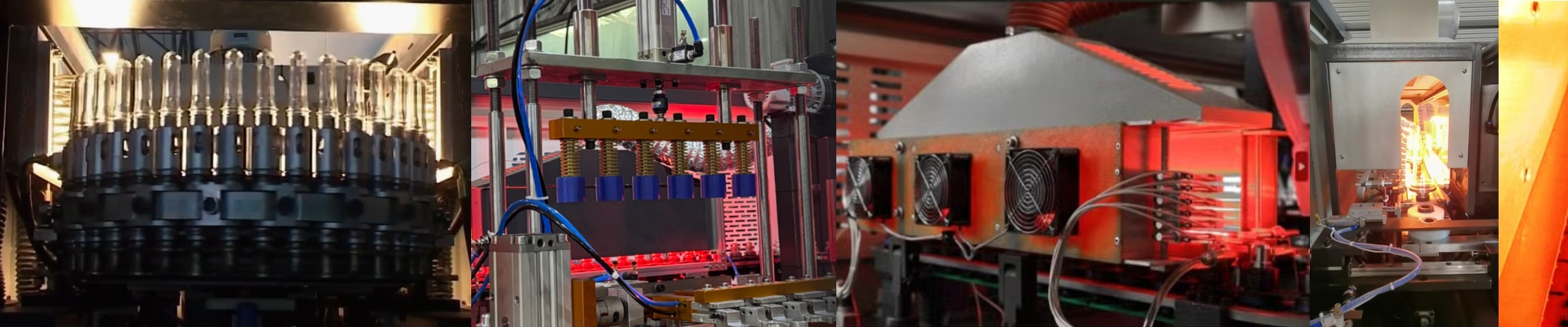
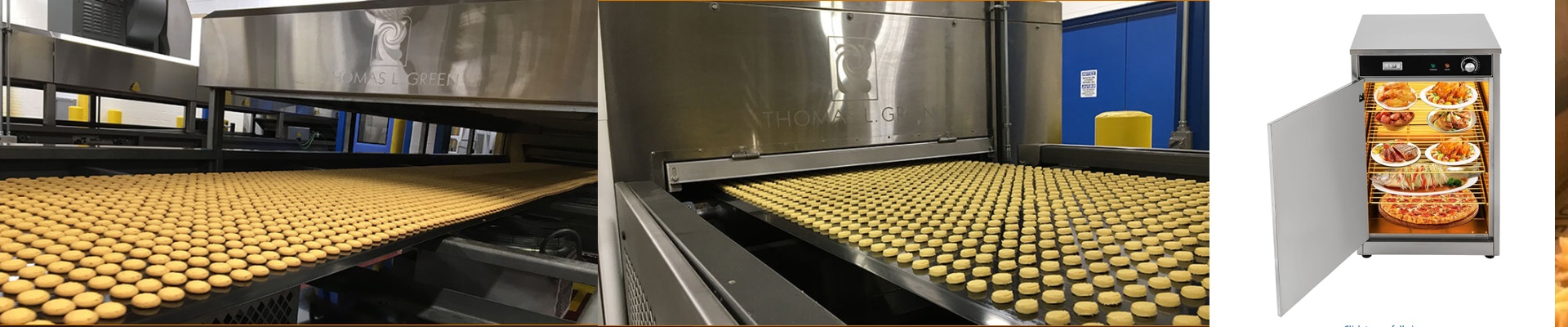
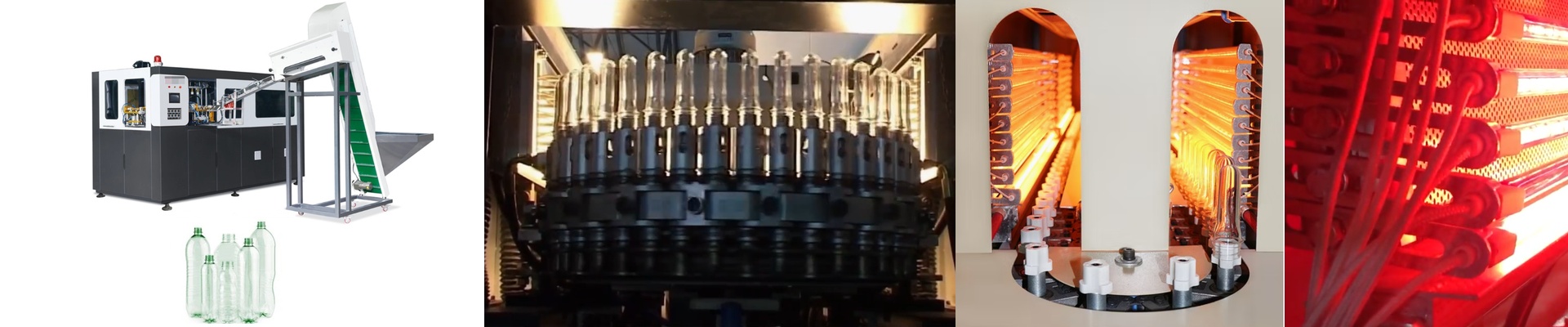
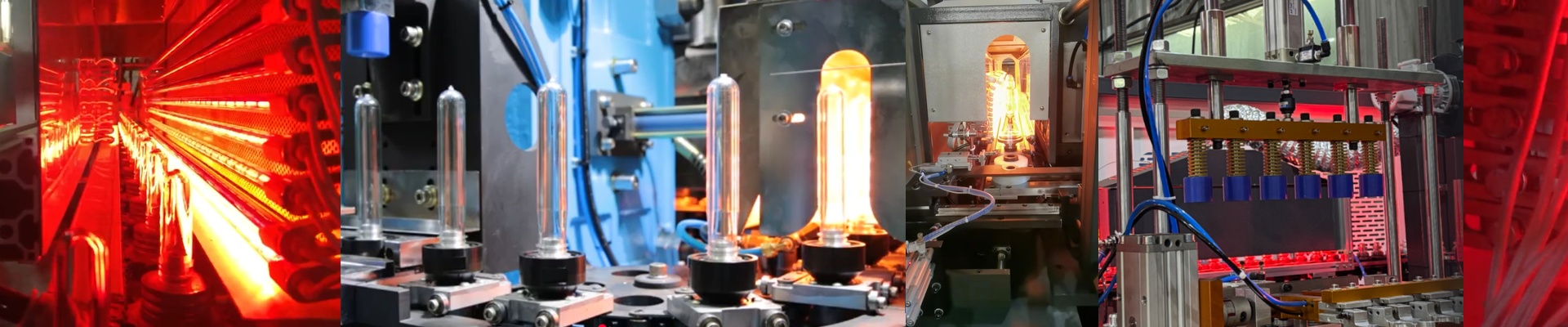
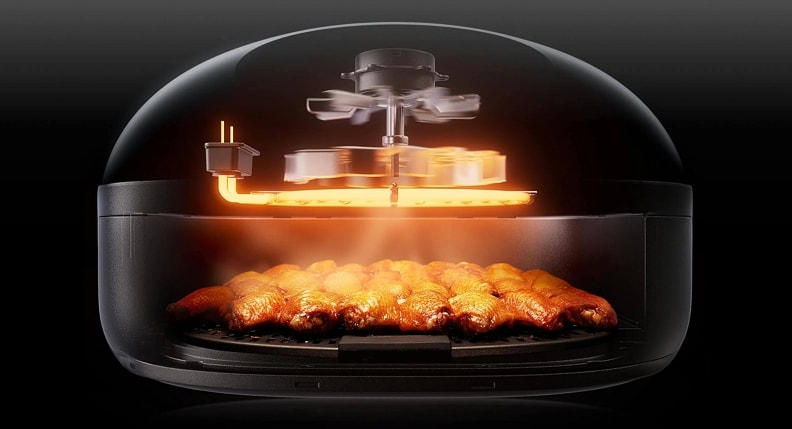
If you’ve ever pulled a tray out of the oven only to find the top deck scorched and the bottom deck barely warm, you know exactly how frustrating this is. It’s a classic problem. Most ovens rely on moving air or basic heating elements, but air is lazy. It doesn’t move evenly, and it takes forever to stabilize across different levels. That’s where short-wave infrared (SWIR) tubes come in. The secret is in how the heat actually moves. Most heaters try to warm up the air first, then wait for that air to warm up your food. SWIR doesn’t bother with the middleman. It sends energy straight into the product. By putting these tubes in every deck, you get total control. No more guessing. When your controller asks for more heat, these filaments hit their target temperature in milliseconds. It’s nearly instant. That lag time you’re used to with heavy heating elements? Gone. Now, every shelf actually behaves the way it’s supposed to. What are these things actually made of? We use high-purity quartz glass. It has to be that tough because these tubes cycle on and off rapidly, and cheap glass would just crack under that kind of thermal shock. The “short-wave” part is the real magic. It concentrates the energy so it penetrates deep into the dough rather than just baking the oven walls. But a quick word of caution:watch your power. You’ve got to match your voltage and wattage to your power supply. If you go too low, you won’t get that fast recovery time when you swing the oven door open. If you go too high without checking your wiring, you’re asking for trouble. Make sure your contactors and wire gauges can handle the peak current, or you’ll deal with voltage drops that kill your efficiency. Setting them up The good news is that these are mostly drop-in replacements for standard infrared lamps. They play nice with PID controllers, so you can get really precise with your temps. Just keep one thing in mind: these tubes getinsanely hoton the surface. Check your internal shielding. If the shielding is off, you might find your oven chassis warping over time. Also, give your products some breathing room. Proper spacing is the only way to make sure you don’t end up with accidental hot spots on your crust.