Getting Your Heat to React in Seconds
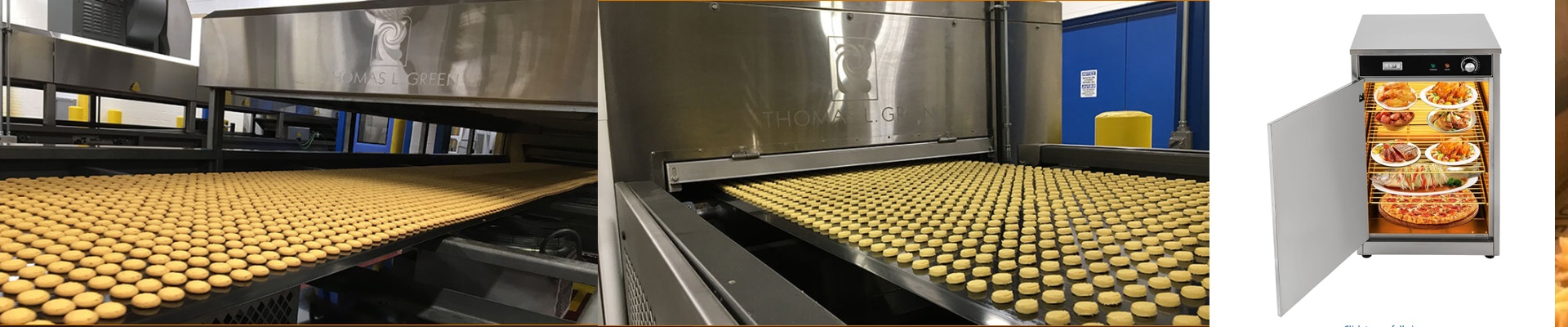
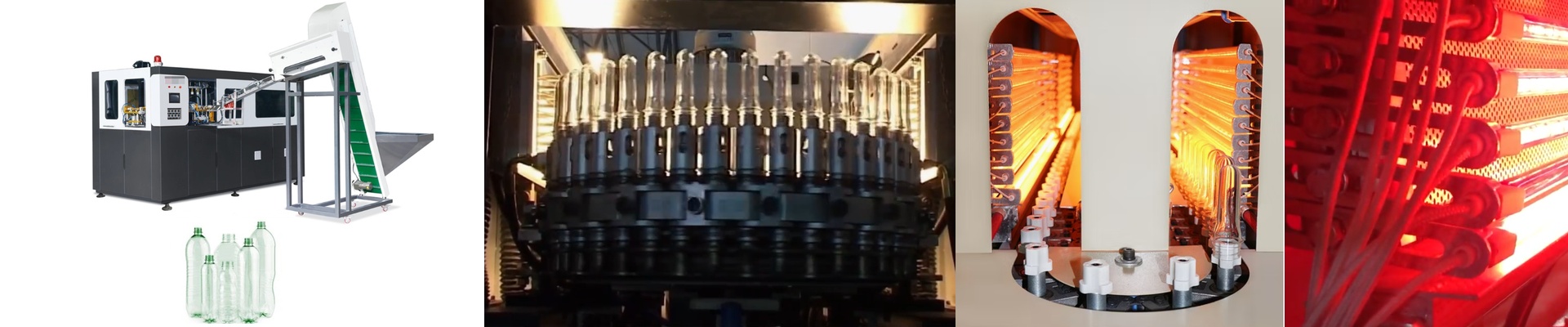
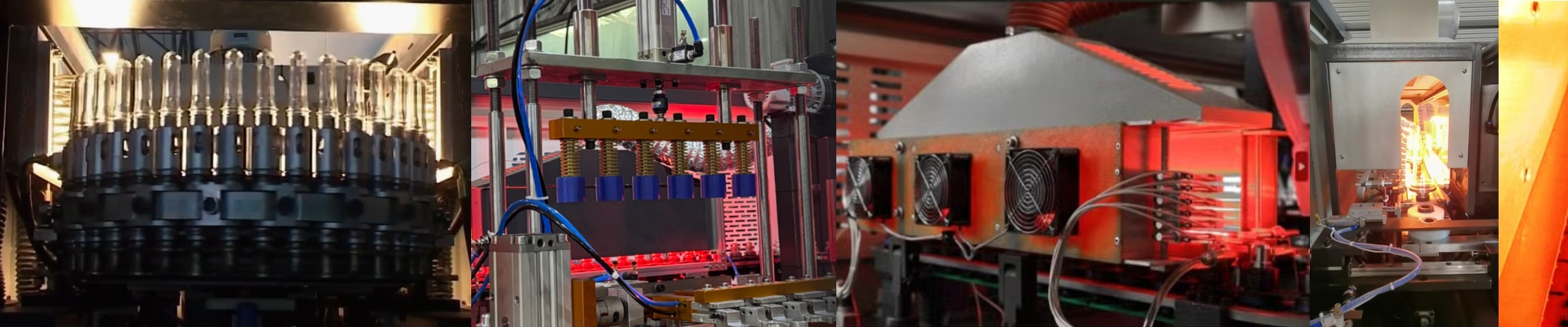
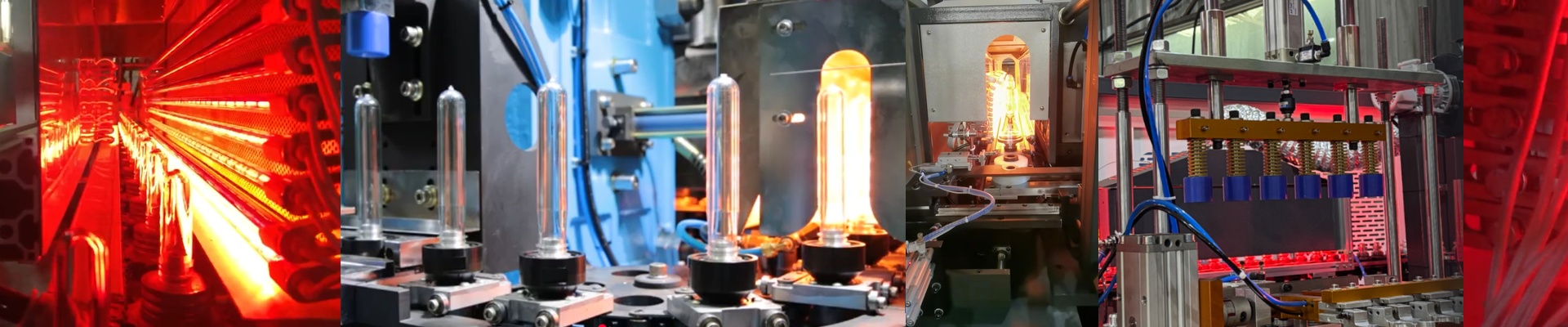
If you’ve ever run an industrial bread oven, you know the struggle. There’s a tiny window between a perfect, golden crust and a burnt mess. To hit that sweet spot, you need your heat to kick in and shut off instantly. No lagging. No “waiting for the element to warm up.” That’s why we built our ruby infrared bulbs the way we did. The secret to that speed We went with shortwave infrared tech because it doesn’t mess around. Most heaters rely on “thermal mass”—basically, they have to get a big chunk of metal hot before they can radiate heat. That takes time. Our bulbs work differently. They use electromagnetic radiation. The tungsten filament hits its operating temperature almost the second you flip the switch. We kept the filament mass lean to strip away any unnecessary inertia. The result? You trigger the heat, and the dough feels it immediately. Stopping the burnout Here’s the catch: switching heat on and off thousands of times a day is brutal on equipment. The filament expands and contracts constantly, which usually means it’ll snap or burn out way too soon. To fix that, we use a halogen gas fill. Think of it as a self-repair system. The halogen cycle grabs evaporated tungsten and puts it right back onto the filament. It keeps the wire thickness steady, so you don’t get those thin spots that lead to a break. The practical side of things We made these a drop-in replacement. You shouldn’t have to rewire your entire oven rack just to upgrade your bulbs. It’s a simple swap. But, a quick heads-up: because shortwave radiation is so intense, your oven’s interior needs to be highly reflective. If the walls aren’t spec’d right, the chassis can overheat. Plus, make sure your cooling fans are actually doing their job. If the ambient heat builds up too much, it’ll eat away at that precision response we worked so hard to get. We built these tubes to take a beating. You get a heat source that actually listens to your PLC the moment it sends the signal. Simple as that.