Getting the Heat Right for Your Sidel Matrix
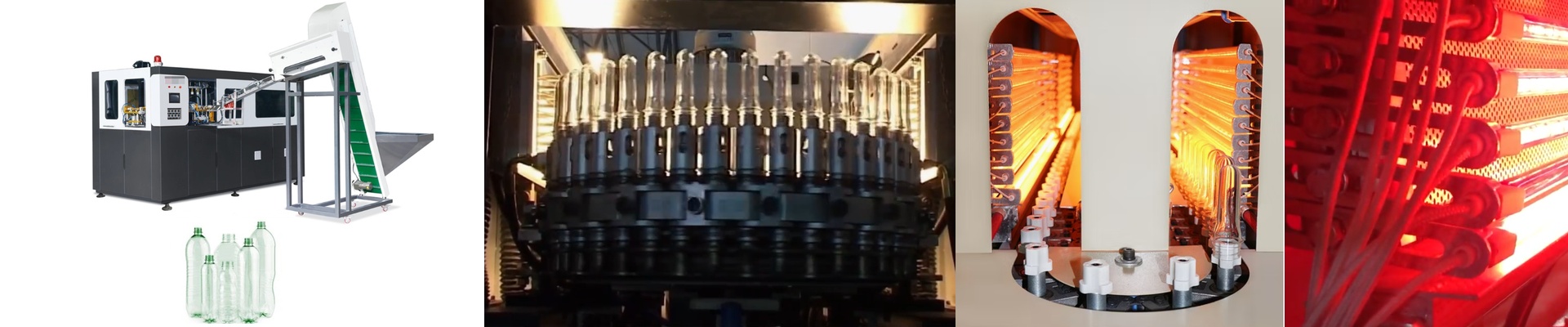
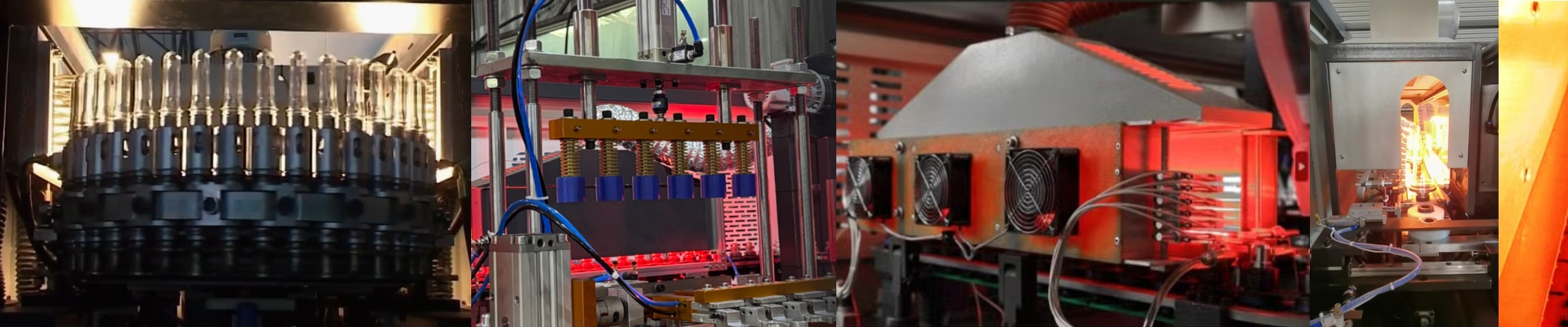
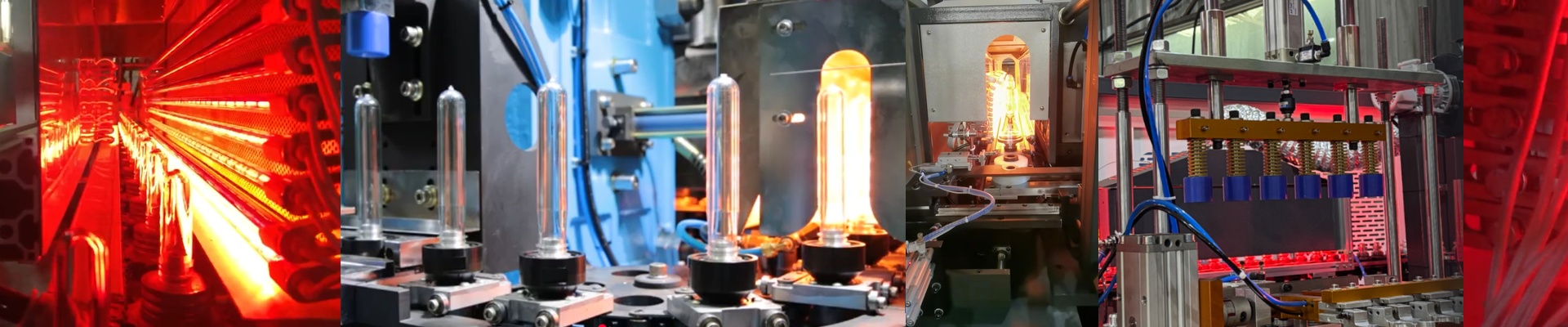
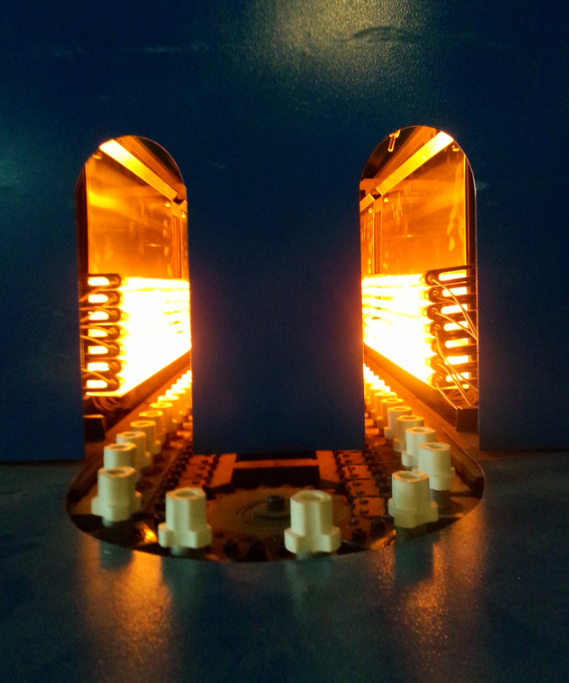
If you’re running an SMI SR 8 blower, you already know that PET blowing is a finicky business. It’s not as simple as just popping any lamp into a socket and calling it a day. If the heat isn’t exactly right, you end up with deformed bottles or weird thin spots in the walls. It’s a headache nobody needs. It’s all about the curve. We don’t just look at the wattage on the box. That’s a rookie mistake. We obsess over the voltage and the length so the heat density—basically, how much heat hits every single millimeter—is a perfect match for the original. When you slide our lamps into your Matrix system, the temperature ramp-up feels familiar. You won’t find yourself spending hours tweaking oven zones or messing with the blow cycle timing. It just works. The nitty-gritty stuff We use high-purity quartz glass because these things take a pounding. They heat up and cool down fast, and the glass needs to handle that shock without cracking. The connectors are a direct fit, too. No gaps, no wiggling, and definitely no scary arcing at the terminals. We also dial in the halogen gas and the filament shape. Why? Because that’s the only way to get the short-wave radiation needed to actually soak into the PET preform instead of just bouncing off the surface. Real talk: Keeping them alive Here is the thing: these lamps put out an incredible amount of heat. If your oven’s vents are clogged or your cooling system is lagging, the ambient heat will cook the lamps from the outside in. It doesn’t matter how well we build them; if they’re suffocating, they’ll die early. Keep your power supply steady to avoid burn-outs, and do yourself a favor:**replace them as a full set for each zone.**Mixing old and new lamps is a recipe for uneven heat, and that’s exactly what we’re trying to avoid.