Stopping Cold Spots in Your Steam Oven
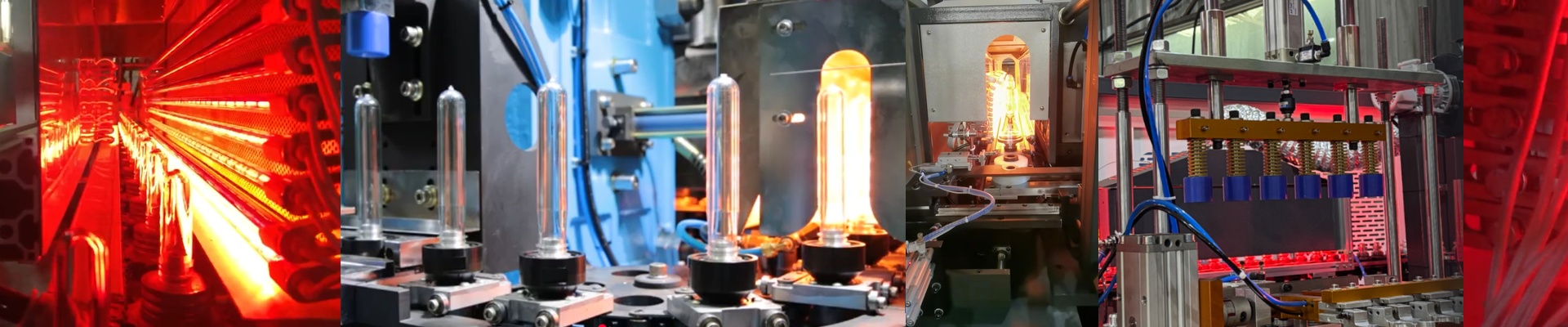
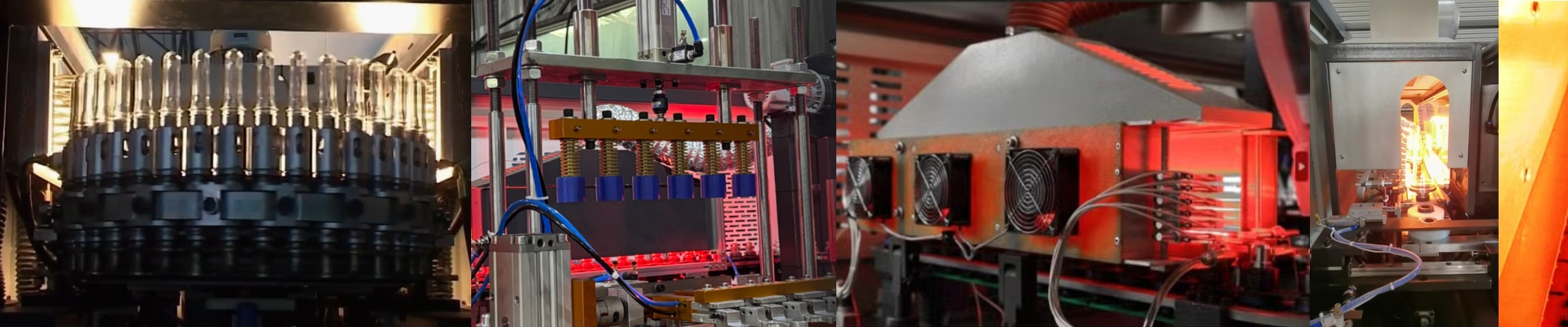
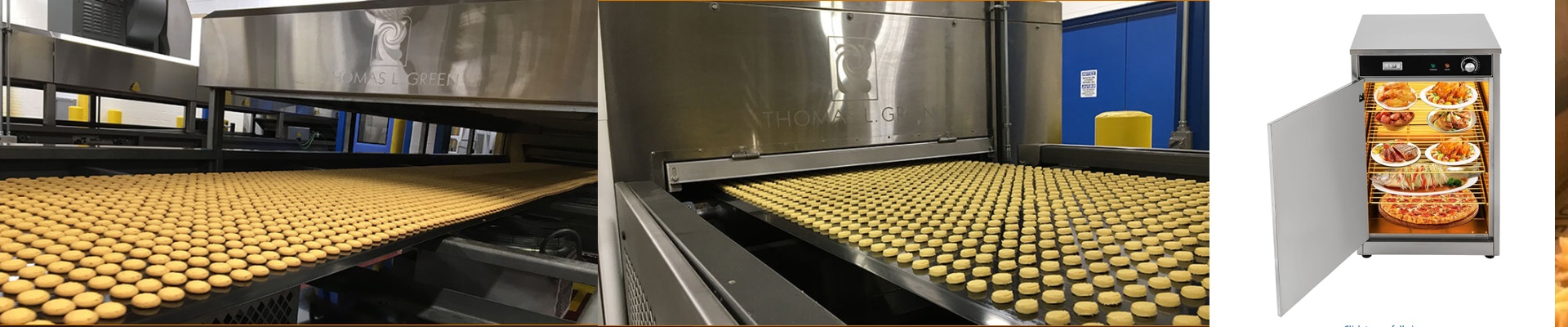
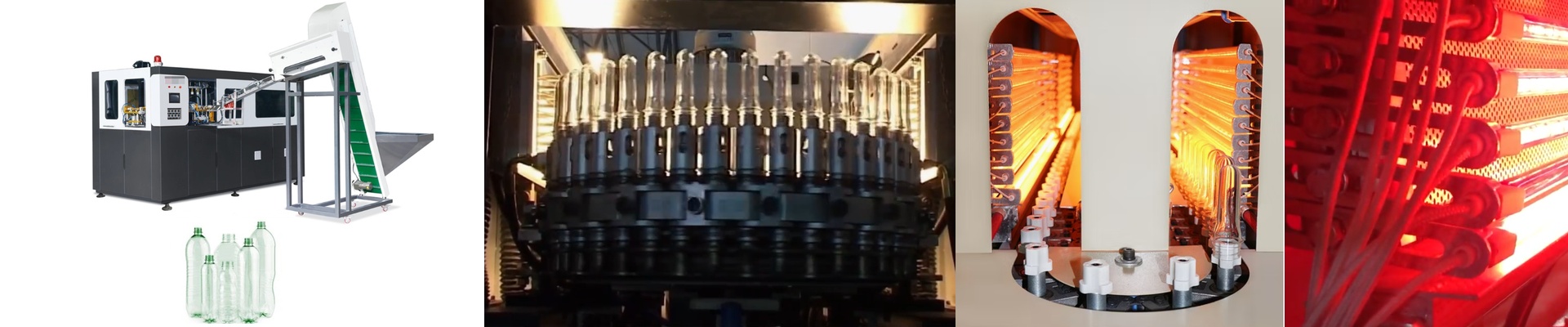
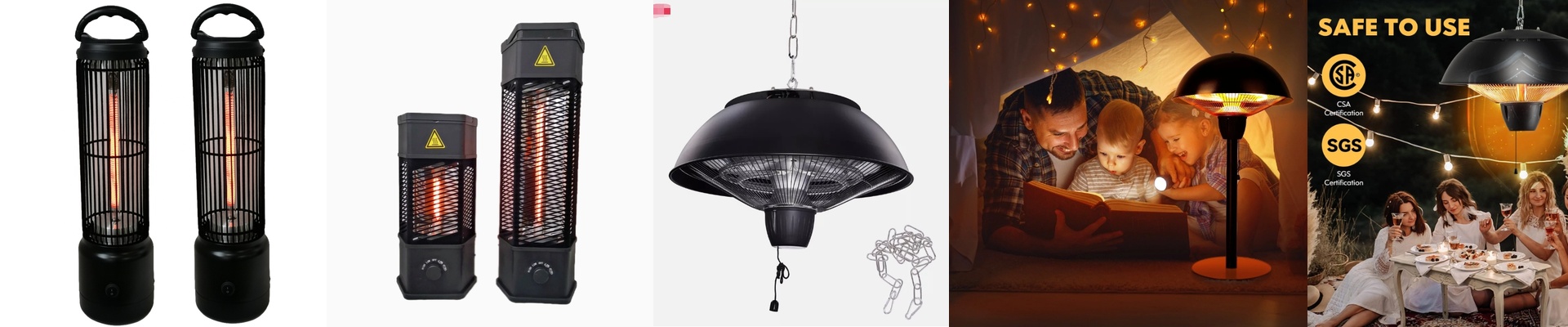
Ever pull a batch out of the oven only to find some parts are bone-dry while others are still damp? It’s frustrating. Most of the time, it’s because convection air just doesn’t get everywhere. It leaves these annoying “cold spots” where moisture hangs around, and suddenly, you’re tossing a huge chunk of your product in the scrap bin. We fix this by bringing in infrared (IR) heaters. Instead of waiting for the air to get hot, IR sends radiant energy straight to the surface of the product. It just hits it.
Getting the Heat Just Right
The beauty of IR is that it doesn’t mess around with the air. It uses electromagnetic waves that actually sink into the material. If you set up your IR lamps in a smart grid, you can hit those stubborn zones that the air currents always seem to miss. You end up with a steady, reliable temperature across the whole oven. No more guessing. The surface and the core dry at the same speed, which means way fewer rejects and a lot less stress for you.
The Nitty-Gritty of Control
To make this actually work, you need the right brain behind the heat. We use PID controllers and thermocouples that react fast. This keeps the oven from overshooting the target temperature and scorching your gear. One quick tip: keep an eye on your wiring. If you’re running high-wattage lamps, you need a power supply that can handle the load. If the voltage drops, your lamps won’t put out heat evenly, and you’re right back where you started with uneven drying.
The Balancing Act: Speed vs. Stress
Now, IR is fast. Really fast. But you can’t just crank it to ten and walk away. If the lamps are too close or the wattage is too high, you’ll burn the surface before the inside has a chance to dry. It’s a bit of a dance between the heat intensity and how fast you can vent the steam. Here’s the thing: if the steam can’t get out fast enough, it actually forms a barrier that blocks the IR waves. You’ve got to make sure your ventilation can keep up with your heating speed. When the airflow and the IR placement are in sync, everything just works.